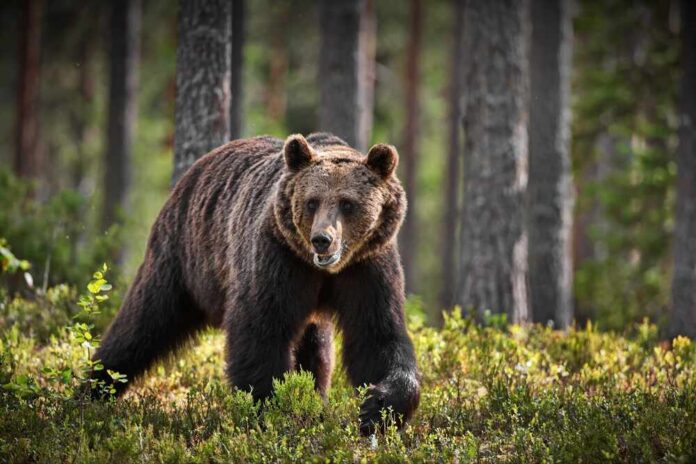
Bear spray turned a deadly Alaskan wilderness clash into a survivable ordeal for two soldiers, raising urgent questions about training in bear country.
Story Snapshot
- Two 11th Airborne Division soldiers were seriously injured by a brown bear during land navigation training at Joint Base Elmendorf-Richardson on April 16, 2026.
- Both deployed bear spray, which wildlife experts credit with preventing fatalities.
- An attack classified as defensive by a bear fresh from hibernation in spring.
- Soldiers are improving in Anchorage medical care as the investigation continues.
- Bear remains at large in the remote Arctic Valley training area.
Attack Unfolds in Remote Training Terrain
Two soldiers from the 11th Airborne Division faced a brown bear during a land navigation exercise at Joint Base Elmendorf-Richardson’s Arctic Valley training area on Thursday, April 16, 2026. The remote, rugged site west of the Glenn Highway demands soldiers navigate the wilderness without modern aids.
Both carried bear spray and deployed it when the bear charged. This quick action likely blunted the assault’s force. Wildlife officials later confirmed the bear’s defensive posture, typical for spring when animals protect emerging cubs and scarce food.
Brown bear attacks soldiers training in Alaska https://t.co/SwcPxiinhv pic.twitter.com/zzwB7ITjbM
— New York Post (@nypost) April 18, 2026
Military Responds Swiftly to Crisis
A base task force rushed to the scene, delivering immediate medical aid before evacuating the soldiers to an Anchorage facility by Friday morning, April 17. Lt. Col. Jo Nederhoed, division spokesperson, affirmed personnel safety as top priority.
The Army coordinates with Alaska Department of Fish and Game investigators. Identities stay withheld until next-of-kin notification. By Saturday, April 18, both showed steady improvement yet need extended recovery care. JBER closed the attack zone to recreation, balancing training needs against risks.
Why Spring Awakens Deadly Bear Defenses
Brown bears emerge hungry and territorial from winter dens in April, primed to defend cubs or carcasses. Cyndi Wardlow, ADF&G Regional Supervisor, labeled this a classic defensive strike, not predatory hunt.
Soldiers train in such high-risk zones to master Arctic operations, but nature ignores boundaries. Bear spray’s capsaicin cloud disrupts attacks in 90% of cases, per wildlife data. Facts support Wardlow’s view: preparedness aligns with self-reliance and common sense over relying on elusive authorities in vast Alaska.
Officials scoured the inaccessible terrain but failed to locate the bear. DNA evidence collection aims to track its history, ruling out habituated threats. No elevated repeat risk detected, yet vigilance persists.
Operational Fallout and Safety Reviews
The 673d Air Base Wing oversees incident response, probing protocols for land navigation in bear habitat. Expect tighter bear spray drills and wildlife briefings. This reinforces Alaska’s dual reality: premier training ground laced with primal dangers.
Broader military lessons may ripple to other bases, stressing gear like spray over wishful avoidance. Common sense demands equipping troops for real threats, not bureaucratic delays. Full recovery timelines hinge on unreleased injury details.
Sources:
2 US Army soldiers in Alaska injured in bear attack during training exercise
2 soldiers in Alaska injured in bear attack during training mission
2 soldiers attacked by bear during training at Army base in Alaska
2 JBER soldiers injured by bear during training exercise