
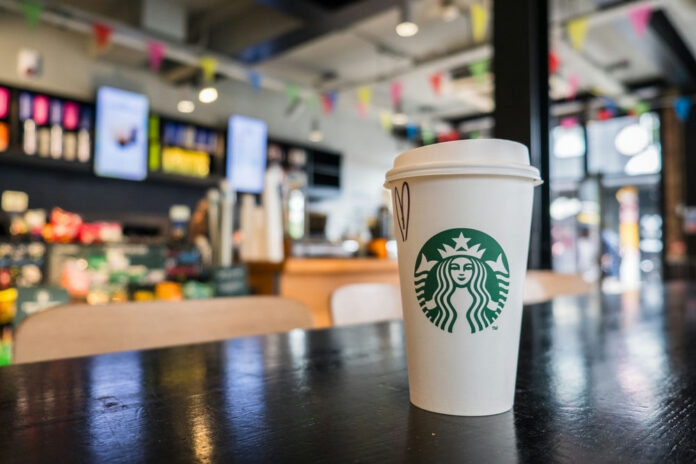
Starbucks sold drinks called “Sugar-Free” that a lawsuit says still pack 13 to 21 grams of sugar per venti.
Story Snapshot
- Three consumers sued in Seattle federal court on Oct. 2, 2026, over eight “Sugar-Free” protein drinks.
- The complaint claims the drinks contain 13 to 21 grams of sugar per venti, from milk lactose.
- Plaintiffs cite a federal “sugar-free” threshold of under 0.5 grams per serving.
- Starbucks says the sugar is natural milk lactose and that it adds no sugar and used sugar-free syrups.
What the lawsuit says happened and why it matters
Three named consumers filed a proposed class action in federal court in Seattle on Oct. 2, 2026. They allege Starbucks mislabeled eight protein drinks as “Sugar-Free.” The drinks include Sugar-Free Vanilla Protein Lattes and Matchas, plus caramel and iced versions. The complaint says each venti serving contains between 13 and 21 grams of sugar, which comes from milk lactose. The filing seeks damages and a court order to stop the labeling across the United States.
The legal hook is simple to grasp and strict to meet. The complaint points to a federal rule that limits “sugar-free” claims to products with less than 0.5 grams of sugar per serving. The plaintiffs argue that a drink with double-digit grams of sugar cannot carry the term anywhere in its name, menu tab, or marketing. That gap between the label and the alleged count is the engine of the case, not a side detail.
The clash: “sugar-free” vs. “no added sugar”
Starbucks does not deny the presence of sugar from milk. It says the company adds no sugar and uses sugar-free syrups for flavor. Its public product materials and menu group these drinks under “No Added Sugar Options.” That stance leans on an everyday idea many shoppers share: sugar you add is different from sugar that occurs in milk. The lawsuit, however, turns on the regulated meaning of “sugar-free,” not the lay meaning of “no added sugar”.
Consumers feel the pinch when a term sounds absolute. “Sugar-free” reads like zero to most people. If you are counting carbs or managing diabetes, that word is a green light. Plaintiffs argue that calling a drink “Sugar-Free” while it contains milk sugars crosses the line. Their claim mirrors a long string of food-label fights where courts split hairs over what shoppers take away from bold labels versus fine-print nutrition boxes. The court will test that gap here too.
The eight drinks at the center of the fight
Reports list the drinks as Sugar-Free Vanilla Protein Latte, Sugar-Free Caramel Protein Latte, Sugar-Free Vanilla Protein Matcha, Sugar-Free Caramel Protein Matcha, and iced versions of each. The case targets the naming and menu placement, not only nutrient numbers. That matters because a name shows up in the app, on boards, and on receipts. A judge weighing deception often looks first at what a shopper sees fast, not what they might hunt down later in a nutrition link.
A proposed class-action lawsuit accuses Starbucks of labeling eight protein drinks as "sugar-free" despite allegedly having up to 21 grams of sugar. https://t.co/FcvNEdxjdW
— Recordnet (@Recordnet) October 7, 2026
The plaintiffs also say an average buyer would not expect 13 to 21 grams of sugar in a venti serving of a drink called “Sugar-Free.” Starbucks counters that it has been clear and consistent across its site and app on nutrition details, flavors, and custom options. The company says the claims have no merit and it will defend itself. That defense may land with many customers who hear “no added sugar” and think “close enough.” The law may hold a sharper line.
How a judge might sort this out
Judges often run a two-step test. First, is the term “sugar-free” used in a way that matches the federal standard cited in the suit. Second, would a reasonable consumer likely be misled by the overall presentation. If both answers cut against Starbucks, the case gains traction. If the court finds the naming harmless because the sugar is natural and disclosures exist, the case loses steam. Early filings do not decide the outcome. They set the issues the court will probe.
Skeptical readers will ask where the numbers came from. Public reporting repeats the 13 to 21 gram range from the complaint. It does not show lab tests or chain-of-custody data. That is normal at this stage, but it means discovery matters. The next phase could bring recipes, nutrition calculations, and expert views on lactose and labeling. If those records match the plaintiffs’ numbers, the name “Sugar-Free” faces a hard road under the cited standard.
What this means for shoppers and brands
Shoppers should decode labels with care. “Sugar-free” and “no added sugar” are not the same. One speaks to total sugar. The other speaks to process. Brands should avoid clever names that lean on technical shields. If the bold word says zero to a regular buyer, expect a challenge. Conservative common sense here is straight: say what you mean in plain words, and make the headline match the contents of the cup. Courts tend to reward that habit over time.
Sources:
people.com, reuters.com, abcnews.com