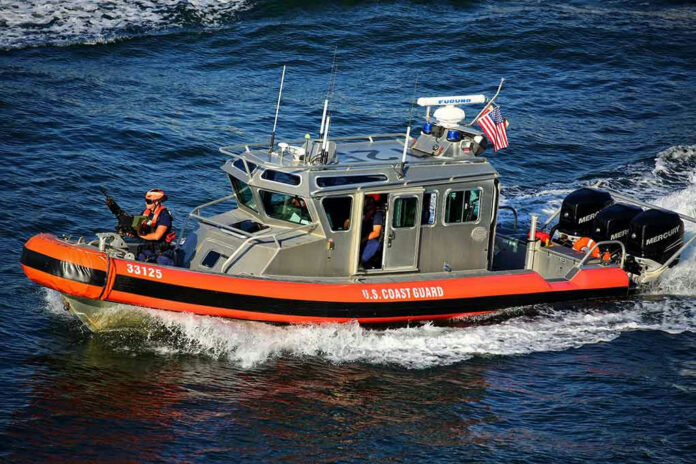
Shots from the Mexican side hit the quiet of the Rio Grande, and the Coast Guard shot back.
Story Snapshot
- Coast Guard crews reported taking fire near Garceno, Texas, on Sept. 26.
- The shots came from the Mexican side; Coast Guard personnel returned fire.
- No injuries or damage were reported; an investigation is underway.
- U.S. forces later shifted troops to reinforce the Rio Grande Valley.
What Happened Along The River
Coast Guard personnel conducting joint interdiction operations near Garceno, Texas, reported gunfire from the Mexican side of the Rio Grande on Sept. 26. Service officials said crews returned fire and ended the threat. No Coast Guard members were hurt, and no equipment was damaged, according to statements cited by multiple outlets. The service said the incident remains under investigation. The basic facts stayed consistent across reports: a cross-border volley, a swift response, and no casualties.
The exchange unfolded in Starr County, a stretch of river that blends ranchland, thick brush, and pop-up crossing points. Joint teams often work this sector to stop human smuggling and drug loads moving by raft or low-profile boats. That mission puts small patrol craft close to the Mexican bank at odd hours. Crews scan, interdict, and sometimes get probed. On Sept. 26, the probe came with bullets, and the Coast Guard answered with fire and discipline, then secured the scene.
Why This Incident Drew A Bigger Response
The gunfire did not disappear as a one-night scare. Federal authorities later repositioned troops and equipment to the Rio Grande Valley, citing increased illegal activity in the area. Coverage tied the Garceno shooting to that shift, which included hundreds of American service members moving to support border security tasks. That move signaled two things: leaders took the exchange seriously, and they wanted more eyes, radios, and armored trucks where the river bends and blind spots pile up.
Texas leaders publicly warned of rising crossings and stressed the need for stronger force posture. Troop movements multiplied sensors and quick-reaction teams that could backstop river units if shots rang out again. The Coast Guard operates fast, small boats; Army and other federal units add aerial overwatch, logistics, and layered security. That mix raises deterrence without escalating to heavy weapons. It also shortens response times along a river where distance can kill.
What We Know And What Matters For Policy
The official record says the first shots came from the Mexican side, Coast Guard returned fire, and no one on the U.S. side was hurt. That sequence matters. It frames the legal use of force, the rules crews follow on the water, and the duty to protect personnel. It also highlights a persistent risk: armed actors on the far bank can seize seconds of surprise. American conservative common sense supports clear rules, strong posture, and rapid backup to end threats fast and bring crews home safe.
🇺🇸🇲🇽 U.S. and Mexican forces have deployed hundreds of troops along the Texas–Tamaulipas border following a reported exchange of gunfire involving U.S. Coast Guard personnel.
The September 26 incident near Garceno, Texas, remains under investigation. Mexico has deployed 500 Army… pic.twitter.com/wstJ2aZK7K
— Scorpion Intel (@scorpion_intel) October 6, 2026
Border security works best when actions match danger, not headlines. The response here focused on reinforcing a known hot spot and letting investigators do their work. That reflects a sober approach: protect the line, support the agents and sailors doing the job, and avoid mission creep. Congress and the administration should back that with steady funding for riverine armor, night optics, reliable comms, and training that drills cross-border contact to muscle memory. Prepared crews make shorter gunfights.
Mexico’s Role And The Cross-Border Imperative
Events like this also test cross-border cooperation. Mexican federal and military forces operate in Tamaulipas, often under tight pressure from criminal groups. U.S. officials will brief counterparts and press for joint pressure on river gangs who fire on American crews. The message must be simple and firm: stop the shooters, or we will harden the river even more. Balanced diplomacy with a hard edge is not bluster; it is how you keep both sides of the Rio Grande from sliding into routine armed clashes.
Sources:
thegatewaypundit.com, foxnews.com, stl.news