More than 16,000 dressers that look harmless in a bedroom could, under the wrong conditions, turn into life-threatening traps for children.
Story Snapshot
- About 16,800 EnHomee and Mainstays 9-drawer fabric dressers sold on Walmart.com are recalled for violating federal stability rules.
- Federal regulators say the dressers can tip over and trap children if they are not anchored to a wall, creating a risk of serious injury or death.
- The recall rests on the new STURDY Act safety standard for clothing storage units, aimed at stopping deadly tip-over accidents.
- Consumers are told to stop using unanchored units and can get a refund by following recall instructions.
Federal watchdogs say these dressers fail a key child-safety law
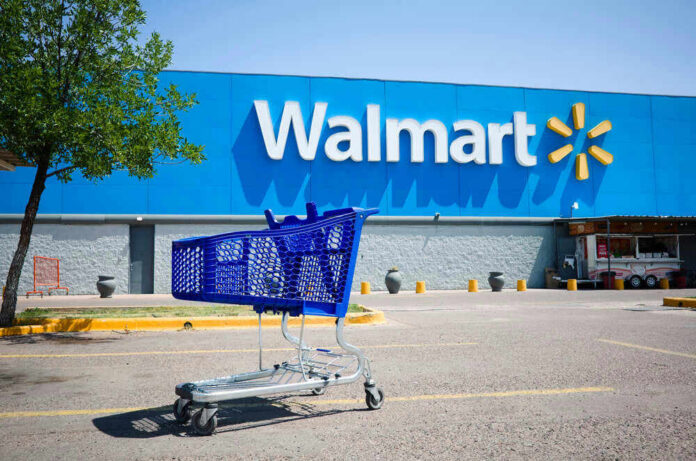
The Consumer Product Safety Commission, the federal agency that oversees product safety, announced that roughly 16,809 EnHomee 9-drawer fabric dressers sold through Walmart.com are being recalled because they fail a mandatory federal stability standard.
That standard comes from the STURDY Act, a recent law passed after years of grim stories about children killed or badly hurt when dressers tipped over on them. Regulators say the units are unstable when not anchored and can tip and trap a child, with a risk of serious injury or death.
Walmart recalls over 16,000 dressers that violate federal safety law due to potentially deadly hazard https://t.co/3lag2tMzKZ pic.twitter.com/1IAjP3e9B7
— New York Post (@nypost) July 25, 2026
Reporting on the recall shows the same basic picture: federal safety officials tested these dressers against the new rule and say they did not pass. The dressers were sold online from about September 2023 through March 2026 by a third-party seller using Walmart’s platform.
They are fabric drawer units on a metal frame, about 47 inches long and a little over 27 inches tall, marketed as a cheap way to organize clothes in bedrooms and closets. None of that sounds dangerous until you imagine a toddler climbing the front like a ladder.
Tip-over risk is not theory; it is a known pattern regulators now target
For years, tip-over accidents from clothing storage units have shown up again and again in federal data and heartbreaking news stories, which is why Congress passed the STURDY Act and told regulators to get tough on unstable furniture.
The law forces makers and sellers of dressers and similar units to meet clear stability tests under real-world use, including the weight of a child pulling or climbing.
This recall fits the pattern: the product is not accused of falling apart or catching fire, but of failing a specific anti-tip rule that exists because children rarely follow warning labels.
The Consumer Product Safety Commission’s notice does not list a long history of prior accidents with this exact dresser, and agencies say they are not aware of injuries so far in this case.
That can sound odd to some shoppers who think recalls should follow a tragedy. But under modern safety law, regulators do not have to wait for a child to die. If a unit fails the stability test written into federal rules, that failure alone is enough to trigger a recall.
Walmart’s role, refunds, and what buyers are asked to do next
The recall notice states that Walmart is telling customers to stop using the dressers right away if they are not anchored to a wall, move them where children cannot reach them, and contact the company for a refund. Consumers are asked to remove and return the dressers to a Walmart store and dispose of the metal frame according to local rules.
Other reports note that buyers may have to send proof they destroyed the unit to get their money back. The dressers sold for about $80, which means this is not a small hit for a family on a tight budget, but also not a luxury item.
The recall also shows how modern online retail spreads risk. The dressers were sold on Walmart.com by a third-party seller, Raybee-Direct, yet the chain’s name headlines the recall.
That reminds buyers that when they click “buy” on a major retailer’s site, they tie that retailer’s brand to a product’s safety, even if a separate company ships it.
From a responsibility standpoint, this is a healthy pressure. Large retailers profit from marketplace sales; they should also share the burden when those products fail federal safety tests.
What this recall says about home safety and personal responsibility
The hazard is very specific: these fabric dressers can tip over and create an entrapment zone if a child climbs or pulls on them and they are not anchored to the wall. That risk is not unique to this brand; any tall, narrow storage unit can pose a danger when used around small children.
The difference here is that federal testers say these units do not meet the minimum stability level that the law now demands. In plain terms, the dresser should resist tipping better than it does.
EnHomee 9-Drawer Fabric Dressers 🗄️
Recall Details
Economy of Recall: United States
Original Alert Link:https://t.co/gC6hZebTqh
Economy: China ( People's Republic Of)
Manufacturer Name:
Xuzhou Mingquanhe Household
Co., Ltd., of ChinaProduct Details
Name:
EnHomee… pic.twitter.com/bSIeDevt2X— Consumer Watch (@Consumer__Watch) July 25, 2026
Parents and grandparents may feel torn. On one hand, they want government out of their everyday choices. On the other, every family knows a child can turn almost any piece of furniture into a jungle gym. The facts here lean toward a balanced view.
The government did not ban dressers or demand wall anchors on every piece of furniture. It set a clear standard for clothing storage units most likely to be in kids’ spaces, tested a specific product, found a failure, and forced a recall before a pending danger became a headline tied to a family’s loss. That is the kind of targeted safety work that respects freedom while still valuing a child’s life.
Sources:
foxbusiness.com, cashwalklabs.io, facebook.com, youtube.com, abc27.com