A pickleball company built on the sport’s boom just admitted its own growth plan broke it.
Quick Take
- The Picklr, a major indoor pickleball facility franchisor, filed for Chapter 11 bankruptcy protection late on October 9.
- Founder and CEO Jorge Barragan says the company guaranteed lease payments for about 40 early franchise locations.
- Those guarantees became an unsustainable burden on the parent company’s finances.
- An investor group has pledged $4.5 million to help fund the reorganization.
- Individual clubs and franchisees are expected to keep operating during the process.
A Fast-Growing Chain Hits A Wall
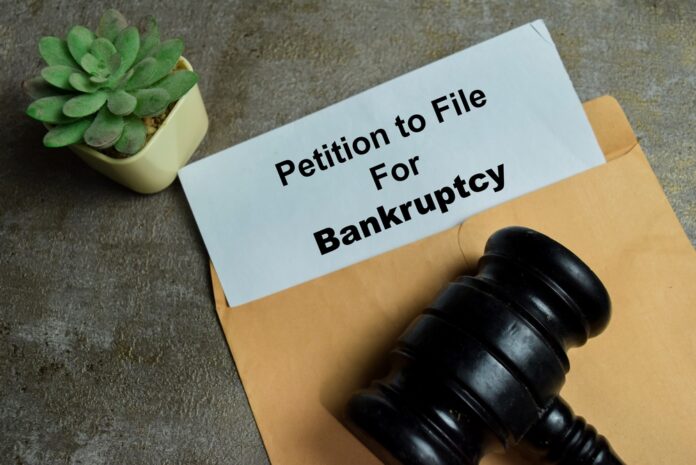
Picklr Inc., the parent company behind The Picklr franchise system, filed for Chapter 11 bankruptcy in the U.S. Bankruptcy Court for the Northern District of Texas. The filing landed late on a Friday night, October 9, catching some in the pickleball world off guard. The Picklr had grown into one of the largest indoor pickleball franchise networks in the world, riding the sport’s explosive popularity into dozens of markets across the country.
Barragan did not hide behind corporate language when he explained what went wrong. He told Sports Business Journal that his company agreed to guarantee facility lease payments for some of its early franchisees. “We signed, unfortunately, too many corporate guarantees that landed on the holding company. And that’s on us. I own it,” he said.
How Forty Leases Became One Big Problem
Barragan said roughly 40 early locations carried these corporate guarantees, and those arrangements became an unsustainable financial burden on the parent company. In plain terms, The Picklr agreed to co-sign rent obligations so new franchise owners could land hard-to-get commercial real estate. That strategy helped the brand expand fast. It also meant that if local operators struggled, the bill climbed back up to headquarters, not just the storefront.
The parent company’s own numbers show the strain. Picklr Inc. reported a $4.4 million net loss on $10.3 million of revenue in 2025, a gap that points to broader financial pressure beyond the lease guarantees alone. Reporting also describes the related lease claims as contingent, unliquidated, and disputed, meaning the exact dollar figures still need to be sorted out through the bankruptcy process rather than taken at face value.
What Changes For Franchisees And Players
The bankruptcy filing applies to the parent company, not to its operating subsidiaries or individual franchisees. That distinction matters for the thousands of players who show up weekly for open play and league nights. The company’s statement said the filing will not shut down any clubs right now, since it covers only the corporate entity holding those lease guarantees, not day-to-day club operations.
Franchise locations in places like Manahawkin, East Brunswick, and Fair Lawn, New Jersey, along with five locations in the Dallas-Fort Worth area, are among those tied to the broader network, and people are watching how this plays out. Local owners run their own courts, staff, and schedules, so members booking court time should not expect immediate disruption while the parent company works through its Chapter 11 case in Texas.
A Fresh $4.5 Million Lifeline
A new investor group has stepped in with a pledge of $4.5 million in financing to help reorganize the company, according to reporting on the filing. That money is meant to give The Picklr room to renegotiate the lease terms it guaranteed for those early franchisees, rather than simply liquidating the business. The company is billed as billionaire-backed, suggesting deep-pocketed investors see enough long-term value in the pickleball boom to fund a turnaround.
Chapter 11 exists for exactly this kind of situation: a company with a real, growing customer base that made a costly structural mistake and needs legal breathing room to fix it. Barragan’s blunt admission, owning the error rather than blaming landlords or franchisees, reflects the kind of accountability conservatives expect from business leaders asking for a second chance. The court process will now decide how those guarantees get restructured.
The Picklr filed for Chapter 11 bankruptcy after corporate lease guarantees mounted. Read CEO Jorge Barragan's response and what's next. https://t.co/t6FUGOj1K1
— Inc. (@Inc) October 12, 2026
Franchising has always carried this tension. A parent brand wants fast growth, so it sometimes backstops the real estate deals that new owners cannot land alone. When too many of those bets land on the balance sheet at once, the company meant to support local entrepreneurs ends up needing support itself. The Picklr’s case is now a real-world lesson in how quickly that trade-off can turn.
Sources:
thedinkpickleball.com, sportsbusinessjournal.com, wpst.com, us.headtopics.com, bizjournals.com