New York declared a statewide disaster emergency for measles after cases jumped past 100, unlocking faster shots, faster tests, and faster reporting to slam the brakes on the spread.
Story Snapshot
- Governor Kathy Hochul issued Executive Order No. 65 for a month-long disaster emergency over measles.
- New York reported 108 measles cases this year, 92 since mid-July, across under-immunized rural areas.
- The order expands who can vaccinate and who can order tests, and speeds vaccine reporting.
- The move is the first statewide measles disaster emergency by a U.S. state since the 2025 surge.
What New York Did, When, And Why It Matters
Governor Kathy Hochul signed Executive Order No. 65 on October 5, 2026, declaring a State Disaster Emergency over an ongoing measles outbreak. The order runs through November 4 and applies statewide. Officials said cases climbed this year in rural counties with low vaccination rates and in nearby states, raising the risk of spread. The state tallied 108 cases for 2026, with 92 since July 15, concentrated in under-immunized communities across 18 counties, according to multiple reports summarizing the order.
The press office framed the step as a speed tool, not a blank check. Emergency status lets agencies change workflow right away. That matters with measles, which spreads through the air and infects about nine out of ten unprotected people who are near a case. Several reports also note this marks the first statewide measles disaster emergency since the national surge that started in 2025, which put officials on alert across the country.
How The Order Changes The Front Line
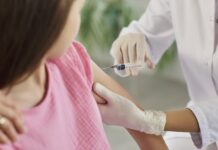
The order broadens who can administer the measles, mumps, and rubella vaccine so more people can get protected faster. Pharmacists can vaccinate children as young as two. Paramedics, advanced emergency medical staff, and midwives can also give shots. Registered nurses can order tests for suspected measles, shaving time off diagnosis. Providers must report vaccinations to state or New York City registries within 72 hours to tighten tracking and close gaps.
Local health departments had already moved to expand coverage. Reports quoting the governor’s office said rural counties gave more than 1,000 doses of the measles, mumps, and rubella vaccine since mid-July. The emergency order aims to push that curve higher and faster by cutting red tape and widening the team that can vaccinate and test. The time box signals a focused push, not an open-ended regime.
Why Cases In Rural Counties Can Threaten The Whole State
Measles hunts for thin spots in immunity. When coverage falls in clusters, a single case can seed a chain that reaches schools, clinics, and transit hubs. New York’s framing points to under-immunized rural areas and import pressure from neighboring states as the key spark. That pattern tracks with recent outbreaks where local gaps, travel, and slow testing let the virus outpace routine tools. Courts have backed time-limited, targeted powers when measles spreads quickly and threatens broader public health.
The policy logic is simple and grounded in common sense. When a fire starts, you do not argue over who holds the hose. You hand the hose to anyone trained to use it and you keep count of every gallon. Broadening vaccination and speeding registry entries does that for measles. It respects freedom by keeping schools open and hospitals functional. It protects the vulnerable by raising the wall of immunity before the virus reaches infants and people with weak immune systems.
The Stakes, And What To Watch Next
The near-term measure of success is clear: more shots in arms, faster test orders, and quicker reporting. If those numbers rise in the next two weeks, chains of transmission should bend down. The broader benchmark is whether New York prevents spread from rural clusters into denser regions where a single case can reach dozens in a day. The one-month window also creates a built-in report card on whether emergency tools outperformed routine playbooks.
Measles, Hochul Declares Statewide Emergency in New York
As of October 3, New York has recorded 108 confirmed cases in 2026: seven in New York City and 101 in the rest of the state. Of those, 92 have been reported since July 15 alone, mainly in rural communities with low…
— Martha–😷🇺🇦 (@mryoung151) October 6, 2026
Readers should expect updated counts from the state health department as labs confirm cases, along with further guidance for schools on exclusion rules for unvaccinated students during exposures. National context supports urgency. The United States has seen rising measles since 2025, driven by immunity gaps and travel, and New York’s move fits a trend of short, pointed emergency actions to restore speed and capacity in outbreak control.
Sources:
nypost.com, governor.ny.gov, cnn.com, usatoday.com, amny.com, longisland.com