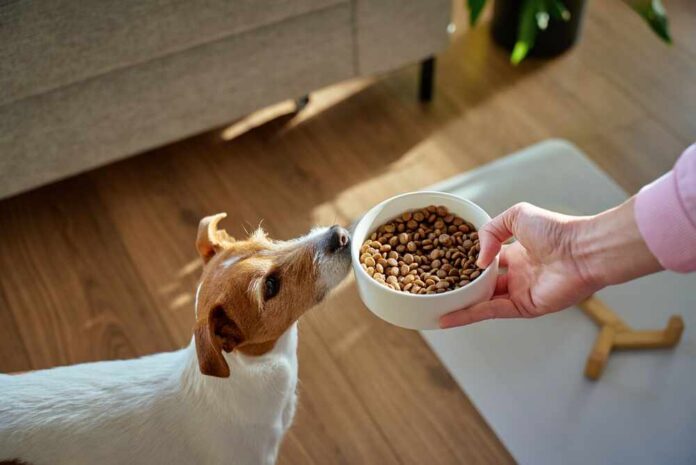
Thousands of cans of popular Fromm wet dog food are being pulled because they may contain metal, and pet owners need to check their shelves now.
Story Snapshot
- Fromm recalled two canned dog foods over possible metal contamination.
- 3,852 cases of Turkey Pâté and 1,973 cases of Milo’s Meatloaf are affected.
- No injuries were reported at the time of the recall notice.
- This fits a broader pattern of foreign-material recalls in pet food.
Fromm’s Recall: What Is Affected and Why It Matters
Fromm Family Foods announced a voluntary recall of two wet dog food products after customer complaints raised concerns about possible metal contamination.
The recall covers 3,852 cases of Fromm Turkey Pâté Wet canned dog food and 1,973 cases of Fromm Diner Classics Milo’s Meatloaf Pâté Wet canned dog food, according to the U.S. Food and Drug Administration notice.
The recall targets specific cans identified by product name, can size, and codes listed in the agency alert. The company urged customers to stop feeding the products and seek a refund.
Dog food recalled across US and Canada after complaints of metal contamination https://t.co/AuVDWsdHPG
— FOX Business (@FoxBusiness) August 24, 2026
Local and national outlets amplified the alert after the Food and Drug Administration posted it. Coverage noted the recall totals and that the issue centers on foreign metal material in the cans.
Some reports summarized the agency notice as “thousands of cases,” while others converted that to total cans, which can confuse shoppers scanning headlines.
The Food and Drug Administration’s recall pages list Fromm under “potential metal contamination,” which matches the company’s stated cause.
How Pet Owners Should Respond Today
Pet owners should check the exact product name, can size, and date and lot codes from the Food and Drug Administration recall page before discarding any cans. Stores usually accept returns even without a receipt during a recall.
If a dog has already eaten the food, watch for gagging, oral bleeding, vomiting, or belly pain, and call your veterinarian if you see any of these signs.
The Food and Drug Administration notice stated there were no reports of injuries at the time of the alert, but caution still makes sense given the possible presence of sharp metal pieces.
Practical steps reduce stress and risk. Photograph the can top and label before disposal, in case you need proof. Clean the storage area so no fragments remain. If you donate pet food, pull any matching cans from your donation stash.
If you use auto-ship, log in, pause the products by name, and swap in a safe option until the recall ends. These steps protect your dog now and help your retailer document the return quickly.
Why These Recalls Keep Happening
Foreign material events recur across food and pet food lines. A review of recalls from 2003 through 2022 found thousands of actions tied to contamination, with foreign materials a steady part of the mix, alongside biological and chemical reasons.
In 2026, other brands also recalled products over metal or plastic risks, showing this is not unique to one company. Food plants run many machines and suppliers; small errors with screens, blades, or packaging can send fragments into cans before anyone sees them.
Fromm Family Foods is recalling cases of wet dog food over potential metal contamination. It’s at least the second dog food recall announced this month. https://t.co/KVwHNFpjZ0
— FOX 9 (@FOX9) August 24, 2026
The public often gets only the product identifiers, the hazard type, and a distribution note. That leaves many pet owners asking “how did metal get there?” The honest answer is that the supply chain has many points where tiny parts can break or shed.
Responsible firms pull product fast when a risk appears, even before a lab confirms the exact source. That is the right call. Swift recalls align with the safety-first approach many Americans expect from any brand that feeds our families and pets.
Accountability Without Panic
Fromm also recalled a different product in 2025 due to possible plastic contamination, though that event involved far fewer cases. Patterns matter. Two foreign-material recalls in two years should push any maker to tighten controls and show those changes in public updates.
Consumers should keep pressure on brands to report fast, post clear codes, and explain fixes. Regulators should keep recall pages easy to search and push alerts to vets and retailers the same day.
Here is the balance to aim for: act fast, verify facts, and restore trust with details. That means lot codes up front, contact lines that answer, and follow-up reports on root cause and prevention. That also means no hedging on risk language. Metal in a can is not acceptable at any level.
Quick recalls, clear refunds, and visible plant fixes honor the duty brands owe to pet owners who do the right thing every day: read labels, pay more for quality, and expect safety to be more than a slogan.
Sources:
foxbusiness.com, fda.gov, usatoday.com, local10.com, independent.co.uk, analytics.usa.gov