Raising more questions than answers about the state of the nation’s main protective agency, new details about the aftermath of the attempted assassination of President Donald Trump have come to light.
So now the culture of unaccountability that allowed this breach to happen in the first place in under fierce scrutiny.
At a Glance
- Six Secret Service agents suspended without pay for failures during the July 2024 Trump assassination attempt
- The suspensions follow the resignation of the Secret Service director and a scathing congressional investigation
- Lawmakers and the public are demanding accountability and reforms to restore trust in national security
- The agency is under heavy scrutiny for systemic failures in leadership, training, and oversight
Secret Service Suspensions: A Symptom of Deep Dysfunction
America watched in disbelief last July as a gunman managed to climb onto a nearby roof in Butler, Pennsylvania, and take a shot at then-candidate Donald Trump. The bullet grazed Trump’s ear; a local firefighter lost his life in the chaos.
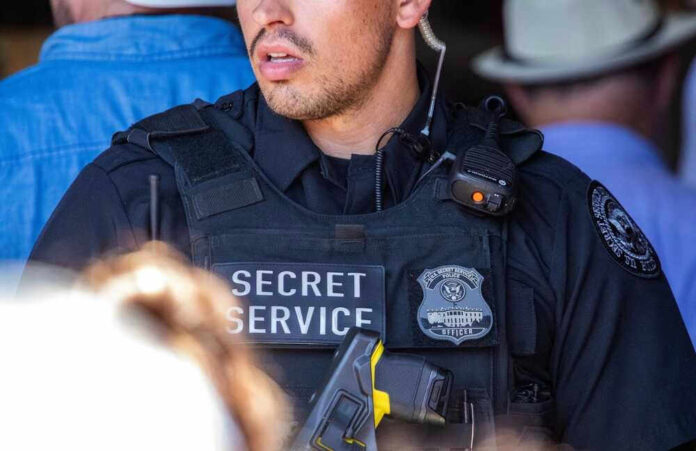
If you thought the Secret Service had one job, protect the president and candidates, you’re not alone. Yet, after this “preventable” attack, six agents have been benched without pay, and the public is left to wonder: how does the most secure detail in America miss a rooftop sniper at a campaign rally?
These suspensions, ranging from 10 to 42 days, didn’t just hit the lower ranks. Supervisors are among those sidelined. This isn’t just about a few agents nodding off on the job.
Congressional investigators, who took a microscope to the agency’s security protocols, found a chain of errors and a culture where “good enough” was apparently good enough for national security.
Secret Service Deputy Director Matt Quinn has confirmed the suspensions, but he insists the agents will have the chance to appeal. Because, of course, every bureaucrat deserves a second chance, even when the stakes are the safety of a presidential candidate.
Leadership in Free Fall: Director Resigns, Congress Steps In
Accountability is a rare commodity in Washington, but the fallout from this debacle forced Director Kimberly Cheatle to resign less than two weeks after the attack.
Congress, never one to miss a chance for a hearing, launched a thorough investigation and didn’t mince words: the attack was “preventable,” but blame couldn’t be pinned on any single error. Translation? The entire system is broken, from the top down.
The House task force issued nearly a dozen recommendations, making it clear the days of shrugging off security failures are over, at least until the next scandal.
The agency, now under the watchful eye of lawmakers and the media, is scrambling to patch its protocols and convince the public it can still do its job. Meanwhile, the FBI continues to probe the shooter’s motives, but the damage to public trust is already done.
The Real Cost: Trust, Security, and a Nation on Edge
In classic government fashion, the response to failure is suspension and resignation, as if a few weeks without pay can fix a culture of complacency. The implications go far beyond the agents involved.
Every political figure now questions their safety, and Americans are left to wonder if the same government that can’t secure a rooftop can be trusted to protect their rights and freedoms.
Security experts and watchdogs have been blunt: this isn’t just about one bad day in Butler, Pennsylvania. It’s about systemic issues: underfunded training, lax oversight, and leadership more concerned with optics than outcomes.
Some commentators argue that suspensions are a slap on the wrist when what’s needed is a root-and-branch overhaul of the agency. But in Washington, real reform is as rare as an honest budget estimate.