Burger King finally listens to real American customers, upgrading the Whopper without jacking up prices amid Trump’s economic revival, easing inflation pressures on families.
Story Highlights
- Burger King rolled out a premium bun, creamier mayo, and clamshell packaging on February 26, 2026—the first major Whopper update in nearly a decade.
- Changes driven directly by customer feedback, texted or called to U.S./Canada President Tom Curtis, fixing squished burgers from old paper wrapping.
- Core flame-grilled beef patty and toppings unchanged, balancing quality elevation with affordability for value-conscious diners.
- Franchisees absorb $4,000 annual costs per location; corporate advises no price hikes, supporting working families in a tough economy.
- Early reviews praise a thicker bun, better flavor retention, and structural integrity, topping competitors like Big Mac.
Customer Feedback Drives Whopper Elevation
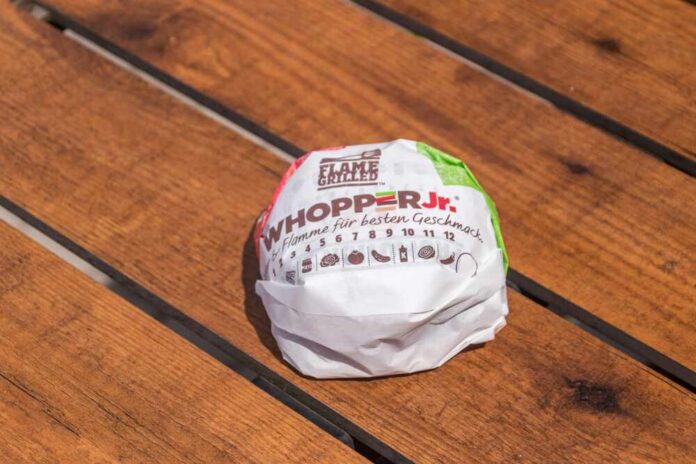
Burger King U.S. and Canada President Tom Curtis announced Whopper updates, based on years of direct guest input. Customers complained about burgers arriving squished due to paper wrapping during transit.
The company introduced a premium bun with a thicker glaze, creamier mayonnaise with citrus notes, and a clamshell box for protection.
This marks the first significant change since around 2016, preserving the iconic 1957 flame-grilled beef patty and classic toppings. Curtis described it as putting the Whopper “in a tuxedo” without reinvention.
Industry Shift to Premiumization Amid Economic Pressures
Fast-food chains pursue premiumization to attract diners seeking quality amid inflation from past fiscal mismanagement. Burger King positions the updated Whopper to compete with McDonald’s Big Mac and Wendy’s Dave’s Single.
Early February 27, 2026, taste tests showed the new version at $8.58, down from a prior $9.17 baseline, with no sogginess and superior heat retention.
Corporate guidance urges franchisees against price increases, aligning with America First priorities to keep costs low for hardworking families under President Trump’s policies.
Burger King, home of the Whopper, is making the first changes to its best-selling menu item in nearly 10 years after consumers complained. https://t.co/zv03FZTiAy
— WKTV (@WKTV) February 27, 2026
Stakeholders Balance Costs and Gains
Tom Curtis channels customer voices into executive decisions, emphasizing higher-quality execution while maintaining familiarity. Burger King, owned by RBI, will implement a nationwide rollout by late February 2026.
Franchisees face an additional $4,000 in yearly costs per location for ingredients and packaging, but gain potential traffic boosts. Customers, the key influencers, now enjoy intact burgers, as evidenced by hotline and text feedback. Agency Tavern’s Mike Perry calls the clamshell “most innovative,” signaling care in a competitive market.
Analyst Sharma notes that premium elements entice affluent customers to trade down due to economic realities. This customer-led approach counters value wars, where low prices previously eroded quality. Positive consensus from reviews highlights enhanced flavor without core alterations, setting a model for legacy brands.
Burger King makes changes to signature Whopper for first time in nearly a decade https://t.co/jLgGfYeF7z
— FOX Business (@FoxBusiness) February 28, 2026
Broader Implications for American Consumers
Short-term gains include higher satisfaction and sales potential without price hikes, vital as families recover from Biden-era inflation. In the long term, iterative elevations strengthen Whopper’s leadership in premiumization trends, potentially influencing rivals.
No political angles emerge, but economic benefits support Trump’s focus on domestic prosperity. Uncertainties remain on the sustained sales impact, with rollout franchise-dependent and minor price variations by location.
Sources:
Business Insider: Review of Burger King’s new updated Whopper
Fox Business: Burger King makes changes to signature Whopper for first time in nearly a decade
PR Newswire: Burger King Elevates Its Most Iconic Product, The Whopper®
BK News: Burger King Elevates Its Most Iconic Product, The Whopper®