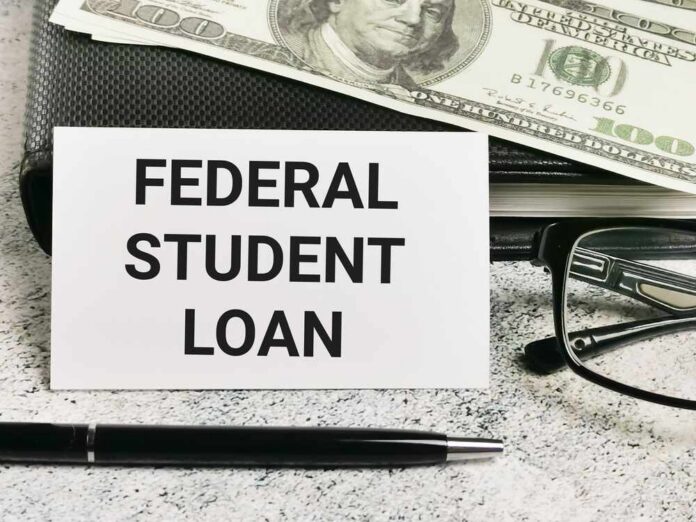
One in five federal student loan borrowers has slipped into default, and the clock is back to collecting.
Story Snapshot
- Defaults jumped to about 9.5 million after payments restarted nine months earlier.
- About 1 million borrowers defaulted in late 2025, then 2.6 million more in early 2026.
- Serious delinquency leapt to nearly 8% in early 2025 as grace windows closed.
- Many borrowers are also behind on other debts, raising broader spillover risks.
The restart shock hit fast and hard
The end of the pandemic pause did not whisper. It roared. Credit files first showed new federal student loan defaults in late 2025 because default requires about nine months of missed payments to register.
About 1 million borrowers fell into default in that quarter, followed by 2.6 million more in the first quarter of 2026, a wave that matched the calendar math of the system and the bills landing in real mailboxes.
Defaults on student loans have surged across the United States, reaching record levels as borrowers struggle to keep up with payments. https://t.co/68OTdt4vhP
— CBS News (@CBSNews) July 20, 2026
By June 2025, roughly nine months after payments resumed, the total number of borrowers in default climbed from about 5.3 million to near 9.5 million, according to the Office of Federal Student Aid data cited by major outlets.
That means more than one in five borrowers now sits in default status, an all-time high that eclipses the previous record from 2019. The scale alone forces a plain question: how did repayment restart produce numbers this large this fast?
Delinquency spiked as the safety nets fell away
Early 2025 told the story in a single line on a chart. The share of student debt 90 or more days late jumped to nearly 8% in the first quarter, up from under 1% in the quarter before. That was the moment the grace period ended for millions and the calendar began counting toward default.
Federal Reserve analysts also warned about spillovers, since people who fall behind on student loans often fall behind on credit cards and auto loans next. That pattern is reappearing now.
Supporters of the “pause caused it” frame point to timing. The default count surged in the exact two quarters after the system could first show new defaults again, not spread loosely across many quarters. That lines up with the rule that default requires about 270 days of nonpayment.
The mechanical lag clustered the pain. That said, a broader view shows the current serious delinquency share sits near, or slightly below, the long pre-pandemic range, which hints the restart shock returned the system to its old baseline rather than creating something new.
The numbers are record-high, but the drivers are mixed
More borrowers are in default than ever, yet the percent of balances that are ninety days late is not at a record. That can happen when a larger borrower pool and aging loans push headcounts up even if rates look familiar.
The New York Federal Reserve notes the average new defaulter is now about 39 years old, roughly two and a half years older than before the pandemic. That shift suggests broader economic strain among mid-career adults, not only confusion after a long pause.
Media headlines often center the pause and, more recently, tougher collections as the main culprits. Some coverage cites stepped-up enforcement under the current administration, including renewed wage garnishments for defaulters.
That claim fits the rules on the books, but the better signal is still the data clock: defaults surged right when the count could legally reappear, and collections followed the law’s timeline. Causation likely mixes policy timing with household budgets stretched thin.
What the facts support—and what they do not
The timeline evidence is strong. Defaults first reappeared when they could, and then rose sharply in late 2025 and early 2026. That supports the view that the end of emergency forbearance was a primary trigger for the wave’s timing.
The strength of that claim rests on dated credit reports, not opinion. What the evidence cannot do yet is put clean weights on the other forces: inflation, higher rates, and rising delinquencies on other debts that hit at the same time.
This says two things at once. First, rules matter; if you stop the clock for years, the catch-up will bunch when you restart it. Second, living costs and high interest rates squeeze families, so any restart will bite harder in a tough economy.
The clean fix is not more blanket pauses. It is clarity, simple repayment by income, fast paths out of default, and college price discipline. Taxpayers and borrowers both deserve a system that expects payment and makes it possible.
Sources:
cbsnews.com, libertystreeteconomics.newyorkfed.org, cnbc.com, foxbusiness.com, apnews.com, bloomberg.com