The last missing hiker from the Grand Canyon flash flood has been found and identified, closing a grim, weeks-long search.
Story Snapshot
- National Park Service rangers recovered human remains near Crystal Rapid on Sept. 14.
- The Coconino County Medical Examiner confirmed the remains as Timothy Allen Smith.
- Smith’s wife publicly affirmed the identification, ending the family’s wait.
- All three victims from the Aug. 29 flood are now accounted for.
Remains Recovered In The Flood Zone
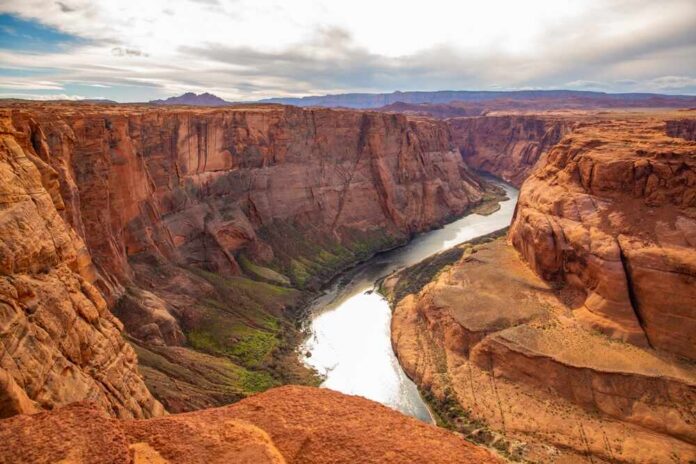
National Park Service rangers responded to a report of human remains along the Colorado River and recovered them near Crystal Rapid, about 10 miles below Phantom Ranch.
The park service transferred the remains to the Coconino County Medical Examiner’s Office in Flagstaff, as is standard after a backcountry recovery. The site sits inside the corridor torn up by the Aug. 29 flash flood, which destroyed bridges and campsites and swept hikers off the canyon floor.
The recovery on Sept. 14 followed two earlier flood deaths tied to the same hiking group from Texas. Officials had named those two men days after the disaster, while search teams kept working for the third hiker, Timothy Allen Smith, 53.
The staggered timeline tracked common disaster practice: field teams focus on recovery and safety, while identification moves through a separate forensic process with the county examiner.
Medical Examiner Confirms Identity
The Coconino County Medical Examiner confirmed the remains as Smith after examination. Authorities relayed the identification in a statement carried by national outlets.
The confirmation closed the outstanding missing-person case from the flood and aligned with what rangers and family members had feared since late August. While officials did not release cause or manner of death immediately, the identification met the key public question: who was found.
Human remains found in the Grand Canyon this week were those of the last remaining person missing after the deadly flash flooding in late August, the victim’s wife said Thursday.
Read more: https://t.co/DM6DeO03kz pic.twitter.com/HDV4b5lUP4
— WGN TV News (@WGNNews) September 17, 2026
Smith’s wife then posted that her husband had been identified, bringing private grief into the public record. Her statement matched the official confirmation and added a human end point to a search that drew attention across the Southwest. With Smith identified, the death toll from the flood stands at three, matching what newsrooms had projected as search efforts wound down.
How The Search Ended And What It Means
The final identification gives families certainty, and search crews can shift from urgent patrols to recovering trails and infrastructure. It also marks the end of a familiar arc in canyon disasters: a violent weather event, a narrow window for rescues, and a slower phase of forensic answers.
Agencies use this phased approach to avoid mistakes and maintain the chain of custody, even when the public wants instant clarity. That discipline protects both families and the record.
The flood aftermath also underscores a basic truth about the Grand Canyon. Water moves fast, debris hits hard, and narrow side canyons funnel sudden walls of mud and rock. Hikers often plan for heat but underestimate water risk.
Rangers urge permits, clear itineraries, and weather checks because those steps save lives when storms form over the plateau. Personal responsibility matters in places where help can be hours away, even by helicopter.
Lessons From A Hard Landscape
Public agencies did their jobs here: rangers recovered remains, the county examiner confirmed identity, and officials released facts in order. That is what good governance looks like—measured steps, no drama, and respect for due process.
Families and volunteers also played a role by sharing information and staying engaged, which shows how community and government can work together when it counts. That partnership reflects core American values: responsibility, service, and truth told straight.
REMAINS OF TIMOTHY ALLEN SMITH FOUND AFTER GRAND CANYON FLOODING
The last person who was still missing after the deadly flash flooding in the Grand Canyon has been found. Officials say they have discovered the remains of Timothy Allen Smith this week.
The august flooding killed…— Worldwide News Network (@WorldwideNNX) September 18, 2026
The next practical step is repair. Trails, bridges, and river camps need work before the busy seasons return. That investment protects visitors and reduces future rescues, which saves taxpayer money over time. People will still seek hard places like the Canyon, because risk and beauty often live side by side.
The right response is not to close wild lands, but to equip people and crews with clear rules, better warnings, and the grit to act when storms turn paths into rivers.
Sources:
people.com, theguardian.com, rdnewsnow.com, cowboystatedaily.com