
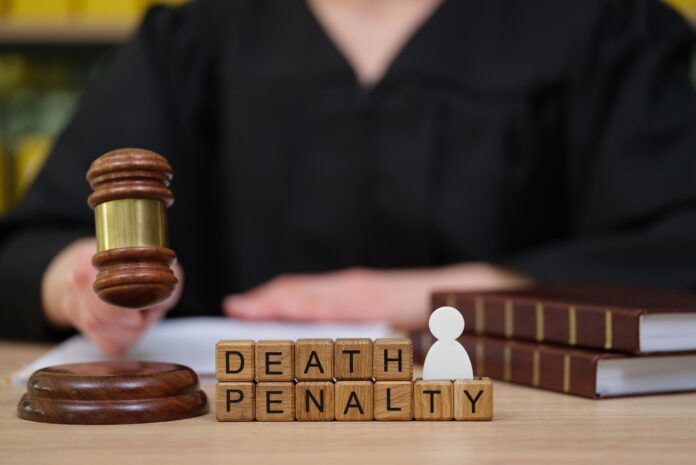
Florida plans to execute a man who admitted he killed his cellmate to land on death row.
Story Snapshot
- James Robertson confessed to strangling his cellmate in 2008 to get a death sentence.
- He pled guilty, waived a jury’s input on sentencing, and did not contest the state’s evidence.
- Florida’s highest court affirmed his conviction and death sentence in 2016.
- A death warrant set his execution for October 13, 2026, at noon.
What Robertson did and why the court said it mattered
The Florida Supreme Court record says James Robertson admitted he strangled his sleeping cellmate, Frank Hart, in December 2008 at Charlotte Correctional Institution. He used a garrote made from socks he tied together. He waited for guards to pass, timed the next round, and struck when he believed he had about thirty minutes. The court described no fight or provocation. The opinion states Robertson said he did it to be charged with first-degree murder and to receive a death sentence.
That motive changed the case from typical prison violence to a stark, deliberate plan. Florida law requires judges to weigh aggravating and mitigating factors before imposing death. Robertson removed most of the usual trial friction. He pled guilty, waived a jury’s sentencing recommendation, and did not challenge the state’s proof or call for mercy. The trial judge sentenced him to death. The Florida Supreme Court reviewed the record and affirmed both the conviction and the sentence in 2016.
A 63-year-old Florida prisoner who admitted to strangling his cellmate in 2008 so he could be sent to death row is set to be executed on Tuesday. https://t.co/mM8gGs18OG
— FOX 35 Orlando (@fox35orlando) October 13, 2026
How the legal process advanced to an execution date
Florida’s capital cases are reviewed directly by the Florida Supreme Court. That happened here, and the court affirmed the judgment. Years later, the case docket shows that the governor signed a death warrant. The Florida Supreme Court then ordered expedited proceedings tied to the warrant and scheduled the execution for noon on October 13, 2026. A warrant sets the date and accelerates filings, while the courts handle any last-minute issues on a tight clock.
Robertson’s posture makes this case unusual but not unheard of. Some prisoners seek execution by waiving appeals or refusing to present mitigation. Florida’s high court faced that tension earlier in the case. The opinion notes that Robertson did not contest the state’s position and waived a jury’s input on punishment. The court still reviewed the case, as Florida law requires, and left the sentence in place. That balance fits a basic conservative value: due process first, then finality.
Why this case lands amid Florida’s execution surge
Florida’s current execution pace forms a significant backdrop. The state drove a large share of executions in 2025, accounting for about 40 percent of the national total, according to major reporting on the year’s increase. Coverage through 2026 has continued to show Florida leading the country in executions, with data points that reflect an aggressive schedule and policy focus on capital punishment enforcement. Robertson’s warrant sits squarely in that trend line and shows the state pressing ahead with cases once courts have ruled.
Public reactions will focus on the motive: a prisoner who said he killed to get the state to execute him. The court record supports that statement. The wiser lens sees two layers. First, the moral shock of a murder planned for self-destruction cloaked as justice. Second, the system’s duty to honor lawful sentences after full review. The Florida courts did their job. The governor set the date. The Department of Corrections will carry it out unless a court orders a halt.
What to watch as the clock runs down
Final hours before an execution often bring fast filings. Lawyers may raise competency, method issues, or new evidence claims. In Robertson’s case, his admissions and the court’s findings settle the central facts. The key questions now track Florida’s process discipline: whether notices were issued on time, protocol followed, and access provided to counsel, clergy, and witnesses. If those boxes stay checked, the state will likely proceed at the scheduled hour.
Sources:
nbcnews.com, library.law.fsu.edu, abcnews.com, wcjb.com