Armed federal agents have been showing up at American front doors, asking homeowners if they are citizens and whether they have ever voted.
Quick Take
- CBS News found Department of Homeland Security (DHS) agents conducting door-to-door checks in six states under a “Criminal Voter Fraud” initiative.
- DHS first claimed nearly 16,000 possible noncitizen voters in Nevada, then cut that number to 185, then to zero.
- Voting rights groups and a law professor say the armed visits are designed to scare legal voters away from the polls.
- Historical data shows confirmed noncitizen voting is extremely rare compared to total ballots cast.
What The Door-To-Door Operation Actually Involved
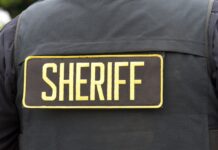
CBS News reported that armed, uniformed DHS agents visited homes in California, Georgia, Missouri, Pennsylvania, Washington, and Wisconsin. Internal documents described the effort as a “Criminal Voter Fraud” initiative. Agents asked residents about immigration status, voter registration, and whether they had voted before. Hundreds of agents were reportedly reassigned to this work ahead of the midterms.
Homeland Security Secretary Markwayne Mullin’s agency framed this as a straightforward integrity check. The goal, officials said, was to compare voter rolls against immigration records and flag names that didn’t match up. On paper, that sounds reasonable. Dead simple data matching, catch the cheaters, protect the ballot box. The problem showed up fast once anyone checked the math.
How 16,000 Turned Into Zero In Nevada
DHS initially told Nevada officials it found almost 16,000 potential noncitizen voters on the state’s rolls. Officials later called that number a “ceiling,” not a confirmed count. Weeks after that, DHS sent Nevada a shortlist of 185 names to investigate manually. Nevada election officials reviewed every name and reported that all 185 were verified United States citizens.
That collapse from 16,000 to 185 to zero happened in a matter of weeks, not months. President Trump had already cited the original, inflated figure at a campaign rally before the walk-back became public. Similar preliminary claims hit other states too, including more than 190,000 flagged registrations in California and over 35,000 in New Jersey, numbers DHS itself described as unconfirmed potential matches, not proven fraud.
Advocates Call The Tactic Intimidation, Not Enforcement
Protect Democracy attorney Jessica Marsden said the door visits appeared “maximally designed to scare lawful voters from participating”. Emory University professor Carol Anderson said the operation sent a broader signal telling entire communities not to show up and vote. A coalition including nurses’ associations and Voto Latino Foundation sued, alleging DHS used flawed data and sent armed agents for face-to-face eligibility interrogations during early voting in nine states.
That lawsuit specifically pointed to tactical gear and agents’ own social media posts of the encounters as evidence the real purpose was intimidation, not quiet data verification. Separate court filings described agents demanding citizenship proof at the door and showing residents photographs of Hmong and Lao community members, asking if anyone recognized them. That detail, if accurate, raises real questions about how these targets were even selected.
What The Actual Numbers Show Nationwide
Context matters here, and the broader record is worth weighing honestly. A Brennan Center survey of election officials across 42 jurisdictions with large immigrant populations found just 30 suspected noncitizen-voting cases out of 23.5 million votes cast. Researchers at the Massachusetts Institute of Technology’s Election Data and Science Lab have also documented how cross-state data matching regularly produces false positives when names, birthdates, or records don’t line up cleanly.
Armed and in uniform, agents from the Department of Homeland Security have been knocking on doors to ask residents about their immigration status whether they're registered to vote. https://t.co/lK9zZJblDy
— CBS News (@CBSNews) October 21, 2026
None of this means noncitizen voting never happens or that states shouldn’t check their rolls. Election integrity is a legitimate, serious goal, and conservatives are right to insist on accurate voter lists. But the Nevada episode shows what happens when a headline-grabbing number gets announced before the verification work is actually done. Credibility, not just effort, is what protects elections. Getting the number right the first time would do more for public trust than any door knock.
Sources:
cbsnews.com, thenevadaindependent.com, truthout.org, newsweek.com, reviewjournal.com, clearinghouse.net