
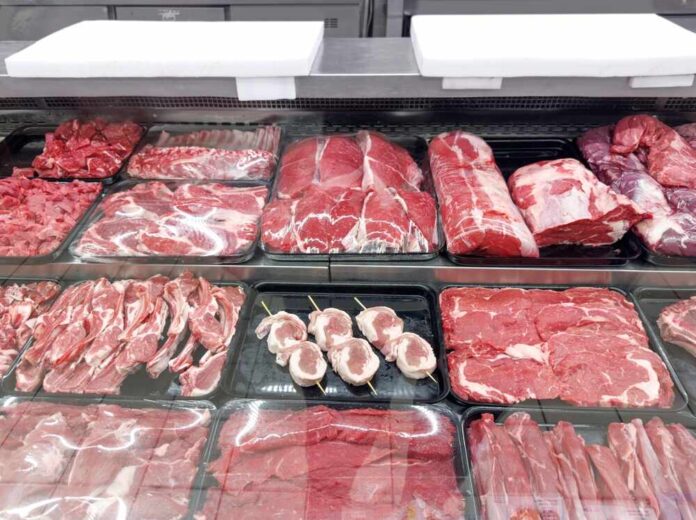
Beef prices soar, threatening household budgets and highlighting the broader inflation crisis impacting American families.
Story Highlights
- Beef prices increased 16.4% annually, significantly outpacing general food inflation.
- U.S. cattle herds are at their lowest since the 1950s, exacerbating supply shortages.
- Rising costs strain family budgets.
- Drought and high costs have hindered recovery efforts in the cattle industry.
Surging Beef Prices and Their Impact on American Families
The recent reports from the U.S. Bureau of Labor Statistics illustrate a troubling trend for American families: beef prices have surged by 16.4% over the past year. This increase is far more significant than the overall food inflation rate, underscoring the unique pressures facing the beef industry.
With the smallest U.S. cattle herd since the 1950s, supply constraints have driven prices upwards, leaving many families struggling to afford traditional staples like steaks and burgers.
The sharp rise in prices is directly tied to the liquidation of cattle herds during the severe droughts of 2021-2022, which reduced cattle numbers from their peak of nearly 95 million in 2019. Without significant rebuilding, these shortages are expected to persist, keeping prices elevated and straining household budgets further.
Beef prices soar as American families pay steep prices for steaks and burgers nationwide https://t.co/O7l1YMnHzL
— FOX Business (@FoxBusiness) January 15, 2026
Challenges Facing the U.S. Cattle Industry
The U.S. cattle industry is grappling with numerous challenges that are contributing to the current crisis. The cycle of expansion and contraction, driven by profitability and weather, has been disrupted by recent droughts and rising feed costs.
These factors have delayed efforts to rebuild the herds, as profitability remains uncertain. Additionally, global supply chains have been affected, with countries like Brazil retaining heifers, tightening worldwide supplies.
Industry analysts from institutions like the University of Arkansas predict ongoing price increases, given the current state of production and the global market dynamics.
Tyson Foods, a major player in the meatpacking industry, has been forced to make operational adjustments, including closing plants and shifting operations, due to low cattle supplies. These moves indicate the broader economic impacts of the beef supply crisis.
Long-Term Implications and Potential Solutions
The long-term implications of the current beef price surge are significant. In the short term, consumers face higher costs, which could lead to shifts in dietary choices towards more affordable proteins like poultry. The economic strain from these price increases also contributes to broader inflationary pressures, which remain a concern for policymakers and economists alike.
Moving forward, it is crucial for the cattle industry to address the underlying issues of supply and demand. Encouraging herd rebuilding, exploring alternative feed solutions, and diversifying supply chains could mitigate some of the pressures currently faced.
However, without significant intervention, the trend of rising beef prices is likely to continue, impacting the affordability of a key staple for American families.
Sources:
Beef Prices Poised to Keep Climbing as U.S. Cattle Herd Shrinks and Global Supplies Tighten
Beef Prices Soar to Record Highs in June
Beef Prices Predicted to Keep Climbing in 2026
Beef Prices Soar as American Families Pay Steep Prices for Steaks and Burgers Nationwide
USDA Economic Research Service Market Outlook
Cattle Prices Jump 36 Percent Despite Q4 Drop
Pause in Cow Slaughter Doesn’t Signal Herd Rebuilding This Year