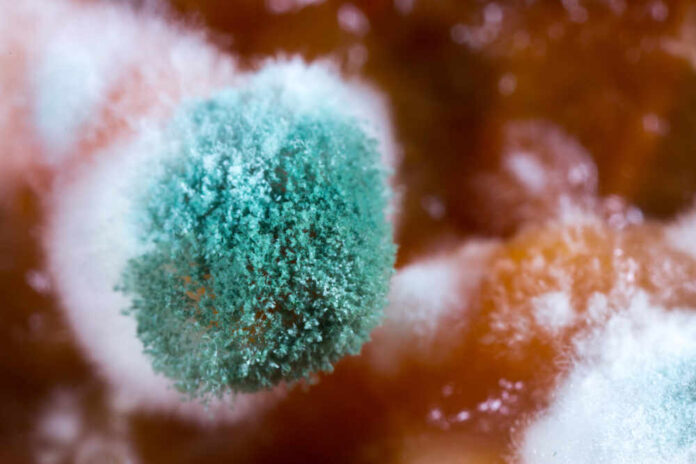
A drug-resistant superbug fungus has infected over 7,000 Americans in 2025, killing up to 60% of vulnerable patients amid unchecked spread in hospitals nationwide.
Story Snapshot
- Candida auris cases hit nearly 7,000 in 2025, approaching last year’s record of 7,500, with infections in over half of U.S. states.
- The fungus is resistant to all common antifungal treatments, leaving infected patients without effective options, especially in healthcare settings.
- It spreads through medical devices such as catheters and persists for long periods on surfaces, threatening elderly and sick patients in hospitals and nursing homes.
- Experts warn that warming temperatures may help fungi adapt to human body heat, potentially worsening future outbreaks.
Candida Auris Emerges as Deadly Threat
The Centers for Disease Control and Prevention tracks Candida auris infections, with over 7,000 cases in 2025 across hospitals, nursing homes, and other medical facilities.
First reported in the U.S. in 2016, this fungus spreads rapidly through patient care devices such as catheters, breathing tubes, and IVs. It persists on surfaces for extended periods, evading standard cleaning efforts. Healthy individuals often fight it off naturally, but vulnerable patients face severe risks in healthcare environments.
Rapidly spreading fungus already in California, 27 other states presents ‘urgent’ threat, CDC warns https://t.co/WlkosqT89M
— KTLA (@KTLA) March 21, 2023
Superbug Resistance Defies Treatment
Certain Candida auris strains resist all typical antifungal medications, earning superbug status. Melissa Nolan, an assistant professor of epidemiology at the University of South Carolina, stated that patients infected with resistant strains have no viable treatment options.
The CDC reports clinical cases in more than half of the states this year. With one week remaining in 2025, totals are near last year’s record 7,500 cases. This resistance hampers containment, prolonging outbreaks in facilities.
A July 2025 study of patients primarily in Nevada and Florida found that over half required intensive care unit admission. More than one-third needed mechanical ventilation.
Patients, averaging 60-64 years old, saw over half requiring blood transfusions. The CDC estimates 30-60% mortality among infected individuals, though many had severe comorbidities contributing to deaths.
Climate Adaptation Raises Alarms
Microbiologist Arturo Casadevall of Johns Hopkins University explains that human body temperature historically deterred environmental fungi. Rising global temperatures may allow fungi to breach this barrier, enabling them to adapt and survive inside humans.
Casadevall warns that some species could evolve to thrive at body heat levels. Facilities struggle with Candida auris persistence, underscoring the need for stronger infection controls and research into new treatments.
President Trump’s administration prioritizes health security through initiatives such as Make America Healthy Again, focusing on overhauls at agencies such as HHS and the FDA.
These efforts target regulatory burdens that slow innovation in combating threats like drug-resistant pathogens. Conservative policies emphasize limited government intervention while bolstering private-sector solutions for public health crises, aligning with demands for accountability in healthcare.