Gunfire at America’s consulate in Toronto is a blunt reminder that anti-U.S. intimidation doesn’t stop at the border—and it’s being treated as a national security case.
Quick Take
- Two suspects fired multiple rounds at the front door of the U.S. Consulate in Toronto around 4:29 a.m. Tuesday, then fled in a white Honda CR‑V.
- No injuries were reported, and authorities say the fortified building limited the impact—but investigators recovered shell casings and documented bullet strikes.
- Toronto Police and the RCMP are investigating with national security teams involved; officials say a motive is still unknown.
- Canadian authorities boosted security around U.S. and Israeli diplomatic sites in several cities as the manhunt continues.
What happened at the U.S. Consulate in Toronto
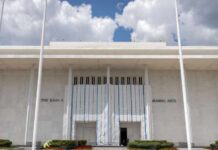
Toronto Police say two men arrived at the U.S. Consulate at 361 University Avenue in the early hours of March 10, 2026, exited a white Honda CR‑V, and fired multiple shots from a handgun at the building’s front door. Investigators place the shooting at about 4:29 a.m. Police were notified after damage was noticed around 5:29 a.m., when officers found shell casings and bullet holes.
Authorities say the suspects fled southbound on University Avenue, and investigators later tracked the vehicle’s path westbound on Dundas Street before it returned toward University. Forensic teams are working the scene, and police say they are reviewing footage from more than a dozen surveillance cameras in the area.
Officials emphasized there is no announced suspect description yet and no arrests have been reported as of the latest briefings.
Why the RCMP is calling it a national security incident
The RCMP classified the shooting as a national security incident and involved integrated national security resources alongside local police. RCMP leadership described the attack as “deeply concerning,” stressing that investigators are still working to determine motive while signaling “no tolerance for intimidation.”
The RCMP also indicated coordination with U.S. counterparts, including sharing updates with the FBI and maintaining contact with consulate officials.
Police in Canada are searching for two men who they say fired shots at the U.S. consulate in Toronto on Tuesday. No one was injured. pic.twitter.com/tufSY4VKnA
— CBS Evening News with Tony Dokoupil (@CBSEveningNews) March 10, 2026
Officials also said the consulate building was occupied at the time, but the facility’s hardened design helped prevent injuries. That detail matters because it underscores the target: this was not random gunfire on a street corner, but gunfire directed at a diplomatic site.
From a rule-of-law standpoint, an attack on a consulate challenges basic expectations that political disagreements remain in the realm of speech—not violence.
Security ramp-up and unanswered questions about motive
Canadian authorities moved quickly to tighten security at other diplomatic locations, including U.S. and Israeli sites in Toronto and beyond. While police have not confirmed any connection, the shooting occurred amid heightened tensions and after recent protests at the U.S. Consulate tied to U.S. foreign policy.
Investigators also acknowledged they are looking at broader patterns of incidents in the region, while cautioning that links remain unproven.
Ontario Premier Doug Ford publicly condemned the incident as violence and intimidation directed at “American friends,” and he floated the possibility of extremist involvement. Police have not endorsed that conclusion, and the official line remains that motive is unknown.
That gap between political speculation and confirmed evidence is important: the public deserves clarity, but investigators still appear to be working from facts—vehicle ID, ballistics, and video—rather than theories.
What this means for Americans watching from home
The immediate practical impact appears limited—no injuries and no broad public-safety warning—but the strategic impact is larger. Diplomatic facilities represent U.S. sovereignty and serve Americans abroad, so attempts to intimidate them demand a serious response from both governments.
In a period when many Americans are exhausted by lawlessness, political violence, and institutions bending to radicals, the key test is whether authorities can identify the shooters and deter copycats without excuses.
Until police announce arrests or a verified motive, the facts are straightforward: two suspects, a handgun, a targeted consulate door, and a coordinated national security investigation.
If future briefings confirm the attack was linked to organized extremism or protest-driven violence, it will raise sharper questions about how Canadian authorities handle threats around politically sensitive sites. For now, investigators are asking the public to help identify the suspects and the white Honda CR‑V.
Sources:
Shots reportedly fired at US consulate in Toronto