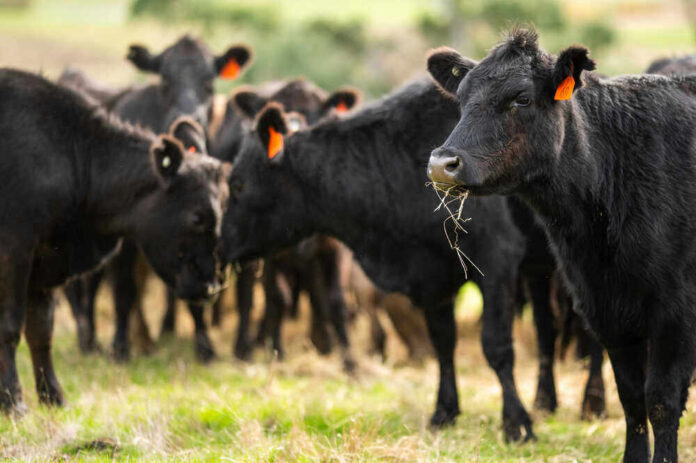
American families continue facing record-high beef prices with no relief in sight, as industry experts warn the pain at the grocery store will persist well into 2026 despite cattle inventories hitting historic lows.
Story Highlights
- Beef prices surged 14.7% year-over-year in September, crushing family budgets nationwide
- Cattle inventory drops to lowest November levels since 2018, signaling continued supply shortages
- Industry margins squeeze consumers as supply chain players refuse to accept lower profits
- Tyson plant closures signal market shift, but relief won’t reach families until late 2026
Record Price Surge Hammers Family Budgets
Beef prices skyrocketed 14.7% year-over-year in September, devastating family grocery budgets across America. This astronomical increase far outpaced the overall food category’s 3.1% rise, according to Department of Labor data. Wells Fargo Agri-Food Institute chief agricultural economist Michael Swanson delivered sobering news to struggling families: “It’s going to be a slow and painful process for the consumer.” The price explosion stems from deteriorating pasture conditions, Biden-era inflation policies, and severely contracted cattle inventory that reached crisis levels in 2024.
Why cheaper beef prices are still a long way offhttps://t.co/6zTXpMiUjF
— DJM Hoosier Mom@Indiana❤️🤍🩵✝️ (@Hoosierusa1) December 25, 2025
Historic Cattle Shortage Drives Supply Crisis
America’s cattle inventory has collapsed to alarming levels, with only 11.7 million cattle on feed as of November 1st. This represents a 2% decline from 2024 and marks the lowest November cattle count since 2018. Even more concerning, only 2.04 million head entered feedlots in October, plummeting 10% from the previous year and setting a new historic low. Farm Bureau economist Bernt Nelson’s analysis of USDA data reveals unprecedented tightness in feeder cattle supplies, forcing buyers to increasingly rely on international suppliers to meet American demand.
Supply Chain Margins Squeeze American Consumers
Multiple industry players protect their profit margins at consumers’ expense, creating an entrenched system resistant to price relief. Cattle producers, meat packers, wholesalers, and retailers each refuse to accept lower profits, making cost reductions nearly impossible for struggling families. Swanson explains this anti-consumer dynamic: “No one in that supply chain wants to accept lower profits, it becomes harder to lower costs for consumers.” This margin protection represents a fundamental failure to prioritize American families over corporate profits during an affordability crisis.
Tyson Closures Signal Market Shift
Tyson’s announcement of permanent plant closures marks a potential turning point in the beef market crisis. The company will permanently shutter its large Lexington, Nebraska processing facility by January 2026 and reduce Texas operations to single-shift production. Live cattle prices dropped immediately following this announcement, though they partially recovered while remaining below recent peaks. Swanson believes cattle prices could decline 10% over the next eighteen months, similar to 2014 levels, but warns families won’t see grocery store relief immediately despite wholesale improvements.