
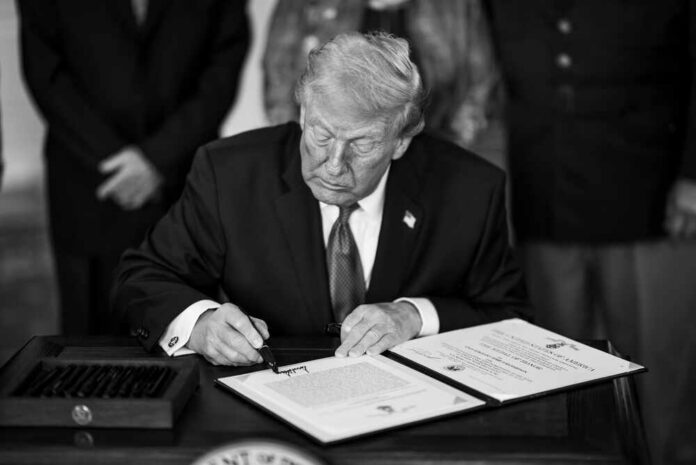
Chevron just said it will expand in Venezuela and take on new Orinoco Belt acreage, days after President Trump unveiled a sweeping oil deal with Caracas.
Story Snapshot
- Chevron confirmed a Venezuela expansion and new Orinoco Belt acreage.
- Plans call for billions in new investment and a sharp increase in production.
- The move follows Trump’s announcement of a U.S.–Venezuela oil framework.
- Policy swings on sanctions shaped the path to this expansion.
Chevron’s green light and what it means
Chevron confirmed it will expand operations in Venezuela and said it was assigned more acreage in the Orinoco Belt, where it already operates joint ventures.
The company and local partners outlined plans that include investing more than $7 billion over five years and more than doubling output to about 600,000 barrels per day compared to 2026 levels, according to a report.
The timing lands just after President Trump said the United States and Venezuela reached a broad oil development deal that reshapes access and profits.
Chevron to double Venezuela oil production https://t.co/UpAwJ0spqa
— Financial Times (@FT) September 2, 2026
The company’s pivot fits a clear need: heavy crude from Venezuela can feed Gulf Coast refineries built for that grade. Chevron already ships Venezuelan barrels to the United States, giving it a head start on logistics and quality control.
A larger footprint could lower lift costs per barrel through scale, speed up maintenance on aging fields, and revive idle wells. The Orinoco Belt holds vast extra-heavy oil. Unlocking it requires steady capital, reliable power, and the consent of regulators who control contracts and currency.
The policy ladder that made expansion possible
The road to this week’s news ran through sanctions, waivers, and narrow licenses. The Treasury Department first opened the door in late 2022 with a special license that allowed Chevron to resume limited work.
The administration then pulled back in March 2025, tightened terms in mid-2025, and broadened allowances again in early 2026 to let more companies negotiate and operate.
That ladder of pressure and relief set up today’s expansion: without clear permissions, no public company would risk fresh billions in a high‑friction environment.
Trump’s push this year put new weight behind industry’s return. He said the framework with Venezuela would unlock major reserves and draw large private operators.
Venezuelan officials described development across 17 fields with tens of billions of barrels in potential and triple‑digit billions in future investment and taxes, according to statements cited in coverage of the announcement. Chevron is the only United States oil major with an active presence there, making it the natural first mover.
Production goals, timelines, and the math of barrels
Chevron’s target to more than double output to about 600,000 barrels per day over five years is aggressive but not fantastical for brownfield assets with existing flow lines and storage. The fastest barrels come from well workovers, gas handling fixes, and power reliability. New drilling adds later.
If the plan holds, these barrels could stabilize supply for the United States’ Gulf Coast and temper import needs from less-friendly producers. That aligns with energy security: source more from the hemisphere, under contracts that reward performance and punish graft.
🚨 JUST IN: Sec. Scott Bessent says CHEVRON is now SURGING oil production in Venezuela, following President Trump's blockbuster deal
Venezuela's production could "DOUBLE in SHORT ORDER" 🔥
"No American firm knows how to operate in Venezuela better than Chevron. This is what…
— Benjamin Caldwell (@BenjaminCaddd) September 2, 2026
The math still depends on basic rule of law. Investors need the right to repatriate profits, convert currency, and import gear without delays that kill margins.
The 2026 sanctions easing carved out room for those steps by allowing oil and gas operations and new investment talks, which removes a major choke point for procurement and financing.
If Washington maintains a snapback option for misconduct, it can deter abuse while allowing oil projects to proceed on schedule. That is the balance policy aims for: leverage without self‑sabotage.
Risks that could slow the drill bit
Three hazards stand out. First, political whiplash: a sudden change in licensing has frozen projects before. Chevron managed around past swings, but fresh hard stops would push service firms and lenders to pull back again.
Second, field complexity: the Orinoco’s extra‑heavy crude needs steady diluent supplies, power, and corrosion control. Skimp on any, and output slides.
Third, contract clarity: joint ventures must handle payments without routing funds to sanctioned actors. It was reported in 2026 that the government had given a broader green light, but compliance still governs every invoice.
Some critics say sanctions have crushed Venezuela’s capacity and slowed recovery. Academic work found that sector sanctions led to heavy production losses at firms that once had access to global credit, suggesting a longer rebuild time for supply chains and skilled labor.
That history argues for a focused lane for lawful oil work that keeps pressure on bad actors while letting rigs, welders, and parts return. If the expansion meets its marks, it will show that tight, conditional engagement can beat blanket bans at restoring output and discipline.
The bottom line for U.S. readers
Chevron’s expansion ties a clear corporate plan to a clear policy window. The company knows the rocks, owns the midstream know‑how, and now has a pathway to scale up. The White House has staked a claim that more Western operators will follow.
If the barrels arrive on time, drivers should see steadier prices, and refiners should see fewer bottlenecks. The bet is simple: let American firms lead in the hemisphere, set tough terms, and make energy security a product we build, not a promise we import.
Sources:
apnews.com, 2news.com, abcnews.com, cnbc.com, bbc.com, reuters.com, congress.gov, mpra.ub.uni-muenchen.de