The Justice Department pulled eight of America’s biggest grocers into a beef-price probe that began with the meatpackers and is now marching to the checkout lane.
Story Snapshot
- Justice Department antitrust investigators asked eight major retailers for information on beef prices.
- The agency had already confirmed an active beef-market investigation reviewing millions of documents.
- Earlier focus targeted the four dominant beef processors that control a large share of U.S. processing.
- The expansion fits a broader push across the food chain, from eggs to poultry, on pricing conduct.
DOJ widens the lens from packers to grocery chains
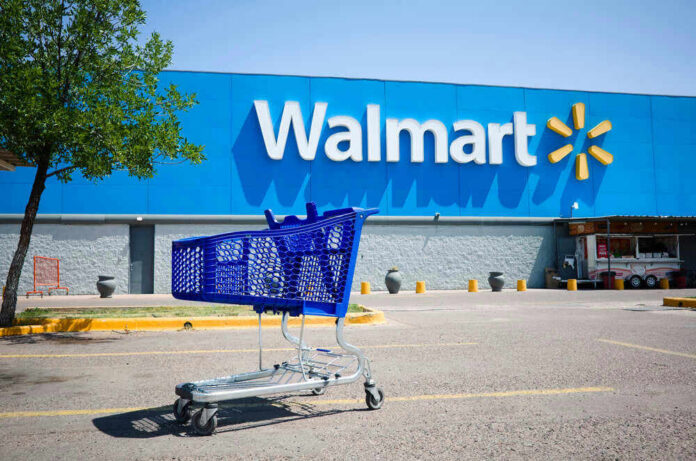
The Department of Justice sent letters to Walmart, Costco, Amazon, Kroger, Publix, Albertsons, Aldi, and Ahold Delhaize USA. The letters asked about recent increases in retail beef prices and broadened an existing antitrust investigation.
Reporting attributes the letters to Associate Attorney General Stanley E. Woodward Jr., and ties the step to the Antitrust Division’s active probe of beef pricing. This expansion brings the checkout counter into scope, not just the slaughterhouse floor.
🇺🇸 The Justice Department has sent inquiries to major grocery chains including Walmart, Costco, Kroger, Aldi, Publix, Albertsons, Amazon and Ahold Delhaize as part of its investigation into rising beef prices.
The probe is examining whether pricing practices or anticompetitive… pic.twitter.com/DZOG7o6ttC
— NewsForce (@Newsforce) September 2, 2026
The agency had already said the investigation was underway before these retailer letters surfaced. Officials described a review of more than three million documents and interviews with industry players across the cattle and beef supply chain.
The stated focus included potential collusion, price fixing, and other anticompetitive conduct that could push prices higher for families and squeeze ranchers downstream. That confirmation set a foundation for the new retail outreach.
Why the packers came first, and why retailers matter now
The initial theory pointed upstream, where four companies—JBS, Cargill, Tyson Foods, and National Beef—dominate beef processing. Estimates often place their share near the 80 to 85 percent range.
That level of control can raise red flags for enforcers who watch for coordination risks when a few firms handle most of the throughput. With retail prices high, the government moved from packers to the stores that set the sticker price consumers actually pay.
The food chain is a relay race with many handoffs. Cattle, feed, transport, packers, distributors, and retailers all add cost and make choices. The Justice Department says its food-price work spans eggs, beef, pork, and poultry.
That scope suggests a focus on whether consolidation, shared data, or benchmarking could dull competition. If retailers gained margin as packer costs rose, that pattern would invite questions. If costs explain the rise, that matters too.
What the letters do—and do not—say in public
The public reporting shows that letters went out and that the probe widened. The reports do not publish the letters themselves or spell out retailer-specific evidence. That means the exact document requests and legal theories remain inside the agencies and the companies.
The next steps will likely include data on pricing, margins, procurement, and communications with suppliers and third-party data firms. That is standard in a complex antitrust review.
🚨EXCLUSIVE🚨
The Justice Department has EXPANDED its antitrust investigation of the nation’s biggest meatpackers, examining climbing retail beef prices and possible anticompetitive behavior.
In July, Associate Attorney General Stanley Woodward sent letters to eight of the… pic.twitter.com/Z7oIPedZ61
— Breanna Morello (@BreannaMorello) September 2, 2026
This investigation sits inside a familiar cycle in food markets. When prices jump, enforcers look at concentration and coordination, and ask whether market power or conduct blunted normal competition.
The beef sector has drawn this attention before because of its structure and history. The United States Department of Agriculture has documented high concentration in fed cattle processing, and that context explains why this probe started upstream and now checks the final mile at retail.
How this could play out, and what to watch
Investigators will compare retail beef margins with wholesale costs over time. They will test whether pricing moved in lockstep across chains without clear cost reasons. They will examine how contracts with packers handle supply, rebates, and allocation during tight markets.
They will review whether shared pricing tools or benchmarking pushed companies to shadow each other. A clean bill of health would show normal pass-through of costs and vigorous price competition. Anything else could prompt action.
Consumers want straight answers and fair prices. Ranchers want real bids for their cattle. Taxpayers want enforcement that targets facts, not headlines.
If the evidence shows coordination that hurt families at the meat case, crack down. If it shows cost pressure and hard competition, close the file and move on.
What this means for your grocery bill right now
Nothing changes at the register today because of a letter. These steps take time. If the probe finds illegal conduct, remedies can include fines, changes to data sharing, or limits on certain deal terms. If it finds none, that outcome still helps by clearing the air.
Either way, the message is clear: every link in the beef chain is under the microscope, from feedlot to fridge. That pressure alone can deter risky behavior and keep pricing honest.
Sources:
foxbusiness.com, newsweek.com, abc3340.com, jdsupra.com, finance.yahoo.com, nytimes.com