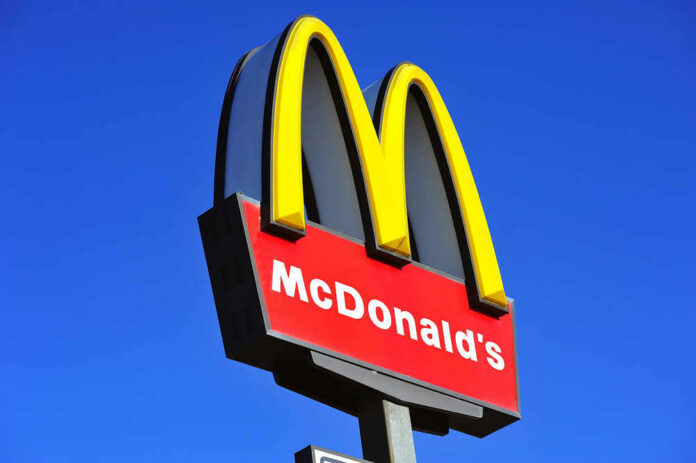
McDonald’s is eliminating self-serve soda fountains from every U.S. dining room by 2032, ending a decades-long tradition that defined fast-food autonomy and marking a profound shift in how America’s largest burger chain envisions customer service.
Story Snapshot
- Self-serve drink fountains will disappear from all McDonald’s U.S. locations by 2032, with employees pouring beverages behind the counter
- The change addresses hygiene concerns, theft from personal cup refills, and aligns service across drive-thru, app, and dine-in channels
- Transition began Summer 2024 at select franchises, driven by declining dine-in traffic and surging digital ordering
- Franchisees report the move creates a premium, hands-off dining experience while reducing operational headaches from unclean machines
The End of Do-It-Yourself Drinks
McDonald’s corporate directive represents more than removing a beverage dispenser. For generations, customers wandered to dining room fountains for free refills, mixing Dr. Pepper with Sprite, or sneaking an extra Coke on the way out.
That ritual dies within eight years. Employees will now fill every cup behind the counter, transforming dine-in service into something resembling table-side delivery.
The company frames this as standardizing experiences across ordering platforms, from McDelivery to kiosks, but the real story lies in what customers lose: control, speed, and the illusion of getting more for less.
McDonald’s is quietly ditching a popular in-store feature nationwide https://t.co/pzw2ByW9BJ
— FOX Business (@FoxBusiness) May 4, 2026
Why Fountains Became a Liability
Franchisees pushed corporate to act after reporting persistent problems at self-serve stations. Hygiene topped the complaint list as machines collected grime from thousands of hands daily, creating visible cleanliness issues that no amount of employee wiping could fix.
Theft compounded the problem when customers brought personal tumblers and bottles and refilled them for free without purchasing drinks.
These weren’t isolated incidents but widespread patterns that franchisees like Mikel Petro, who operates 15 Illinois locations, flagged as operational drags. The post-pandemic shift to contactless service accelerated the reckoning, making communal touch points seem outdated rather than convenient.
The Business Case Behind Employee-Poured Drinks
Dine-in traffic collapsed as drive-thru lanes and mobile app orders exploded, reshaping McDonald’s revenue streams. Customers who once sat in dining rooms now grab bags through car windows or wait for delivery drivers.
Self-serve fountains served a shrinking segment while creating disproportionate maintenance and loss-prevention costs.
Petro’s early adoption of employee-filled drinks reflects this math: why maintain expensive equipment for fewer customers when staff can pour during slower kitchen moments?
The corporate mandate follows franchise-level experimentation, validating that labor costs for drink-filling pale in comparison to theft reduction and the perception of elevated service. McDonald’s isn’t abandoning self-service out of generosity but rather out of economic pragmatism dressed as hospitality.
What Customers Gain and Lose in the Trade
The marketing pitch promises a “chilled, relaxed dining experience” where patrons are “waited on hand and foot.” Reality will likely feel different.
Customers lose the ability to refill drinks instantly, customize mixes, or grab a top-off without interacting with employees. Wait times could stretch during rush periods when staff juggles grill orders and beverage requests.
Yet McDonald’s bets cleaner dining rooms and theft-free operations justify the trade-off. Franchisees hope dine-in becomes premium enough to lure back customers, though the eight-year rollout suggests corporate expects ongoing resistance.
The unresolved question no one’s answering: will refills remain free, or will eliminating self-service pave the way for pay-per-cup policies after 2032?
A Preview of Fast Food’s Service Future
McDonald’s move signals broader trends in quick-service restaurants toward controlled, digitized interactions. Competitors watch closely as the Golden Arches test whether customers accept reduced autonomy for alleged convenience improvements. The shift mirrors other recent changes, such as kiosk-only ordering and app-exclusive deals, that push patrons toward corporate-preferred channels.
If McDonald’s successfully repositions employee-poured drinks as a premium service rather than a loss of freedom, expect Burger King, Wendy’s, and regional chains to follow.
The fast-food self-service era, born of labor-cutting efficiency, dies of the same logic: digital ordering and drive-thru dominance render dining-room amenities obsolete. By 2032, grabbing your own soda might feel as antiquated as smoking sections once did.
Sources:
McDonald’s ditches self-serve soda fountains for a new dining era – LiveNOW Fox
McDonald’s set to scrap popular feature over major hygiene concerns – Hotel.Report