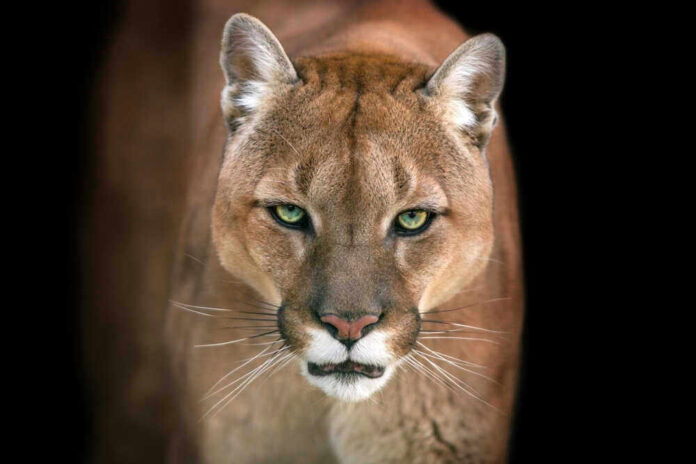
Igniting a flurry of questions about wildlife safety, a mountain lion pounced on a kid in a popular tourist spot, leaving more than just a physical bite.
At a Glance
- Mountain lion attacks are rare but can happen even in popular tourist spots.
- The child was airlifted to a hospital and released in satisfactory condition.
- The incident led to the immediate search and neutralization of the mountain lion.
- The National Park Service is investigating to prevent future incidents.
A Fateful Encounter on Hurricane Ridge
A seemingly ordinary day turned dramatic when a mountain lion attacked a 4-year-old child in Olympic National Park near the Victoria Overlook on Hurricane Ridge.
This area, known for its breathtaking views and accessible trails, is a favorite among tourists. The predator struck, leaving park visitors and officials in shock. The child, accompanied by family, became an unfortunate target of a rare but serious wildlife encounter.
The mountain lion involved was part of a wildlife monitoring program, evidenced by its tracking collar. The National Park Service swiftly responded, ensuring the child’s immediate medical needs were met and launching a search for the animal.
The incident revealed the delicate balance of enjoying nature’s beauty while staying vigilant against its inherent dangers.
Swift Response and Ongoing Investigation
Emergency responders arrived promptly on the scene, providing immediate medical assistance to the child, who was then airlifted to Harborview Medical Center in Seattle.
This Level 1 Trauma Center ensured the child received top-notch care, and he was released shortly thereafter in satisfactory condition. Meanwhile, park rangers, equipped with canine teams, embarked on a mission to locate the mountain lion.
The next day, rangers successfully located and euthanized the mountain lion, prioritizing public safety. The National Park Service temporarily closed Hurricane Ridge to address the potential threat, reopening the area once the situation was secure.
This decisive action underscores the NPS’s commitment to maintaining a safe environment for both visitors and wildlife.
Implications for Wildlife Management and Public Safety
This incident raises significant questions about wildlife management and public safety in national parks. Although mountain lion attacks are exceedingly rare, this event highlights the need for robust monitoring and intervention protocols.
The presence of the tracking collar on the mountain lion provides valuable data that could offer insights into its behavior and the circumstances leading to the attack.
In the wake of the attack, there may be discussions about potential policy changes. Balancing wildlife conservation with visitor safety is a delicate task, and this incident could prompt a reevaluation of current practices.
The National Park Service continues to seek witnesses to aid in their investigation, emphasizing the importance of community involvement in understanding and mitigating wildlife risks.
Broader Impacts and Future Considerations
The immediate impact on the family is significant, with trauma and recovery at the forefront. For the National Park Service, the incident has sparked increased scrutiny of wildlife management protocols, while visitors may approach their park experiences with heightened caution.
Economically, the temporary closure of Hurricane Ridge might have short-term effects on tourism, though long-term impacts will depend on public perception of park safety.
Wildlife experts and conservation biologists advocate for maintaining healthy predator populations while minimizing human-wildlife conflicts. This incident serves as a reminder of the unpredictable nature of wildlife and the importance of preparedness and education.
As discussions continue, the goal remains to ensure that national parks are safe havens for both people and the majestic creatures that inhabit them.