A health-forward chain with star power just hit Chapter 11 and shut a dozen doors in one day.
Story Snapshot
- True Food Kitchen filed Chapter 11 in Texas on October 4, 2026.
- The company closed 12 restaurants the same day.
- Thirty-four locations remain open while the case runs.
- Leaders are seeking a court-approved sale and new partner.
What Happened And Where It Stands
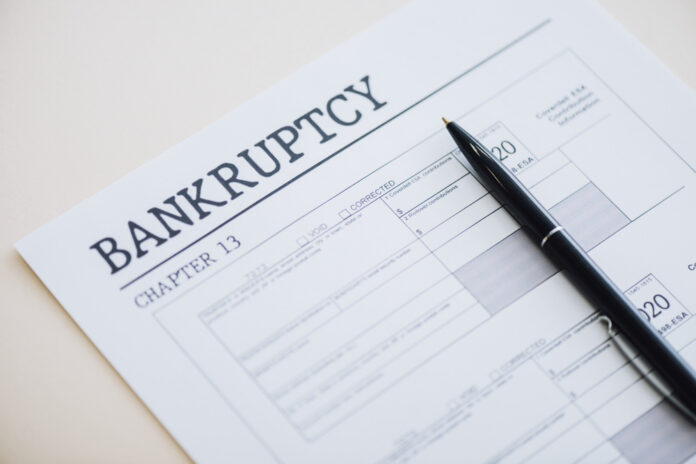
True Food Kitchen Parent, LLC and affiliates filed voluntary Chapter 11 petitions in the Southern District of Texas on October 4, 2026, putting the brand under court protection while it restructures. The company closed 12 restaurants that day, including locations in Century City and San Diego, Miami, Chicago, Bethesda, and Reston. Management says the remaining 34 restaurants in 14 states will keep serving guests during the case, which is standard under Chapter 11.
Court and trade reports describe a plan to cut costs, slim the footprint, and run a court-supervised sale process to bring in a long-term partner or buyer. Reports also cite about $42 million in debt, which frames the scale of the fix now underway. The chain secured $20 million in debtor-in-possession financing from a related investment vehicle to pay staff, buy food, and operate while the court reviews the plan.
Why A Popular Brand Landed In Bankruptcy
Reporting links the filing to a tough stretch that included management turnover, strategy shifts, and the brand’s first negative sales year in 2025. Those pressures met a bigger industry squeeze. Labor, food, and rent costs climbed while diners traded down or stayed home, which pushed many restaurant operators toward in-court fixes during 2024–2026. Chapter 11 gives tools to reject weak leases and stabilize the stores that still earn cash, which is why it has become the playbook in casual dining.
The celebrity tie-in draws clicks, but the mechanics matter more. Chapter 11 is not a funeral if leaders move fast. Brands use it to shed bad sites, keep good ones, and run a sale that can reset debt. This is how many chains preserved value through past cycles. The plan here mirrors that path: close the losers, protect the winners, and test the market for a buyer under court rules that prize speed and transparency.
What The Closures Say About The Strategy
The closure list reveals the likely filter: high rent, soft traffic, or both. Sites in pricey trade areas like Century City, San Diego UTC, and Garden City come with steep lease bills; if sales wobble, the math breaks fast. Chapter 11 lets a company reject those leases and stop the bleeding. That shift can free cash for markets that still work. The company’s message that 34 locations keep running signals a focus on store-level profit first, growth later.
Oprah Winfrey-backed @TrueFoodKitch has filed for Chapter 11 bankruptcy after closing 12 restaurants nationwide.
The health-focused chain entered bankruptcy with about $42.1 million in funded debt and just $1.6 million in unrestricted cash, court documents show.
Management…
— Erik Hoffmann (@TheErikHoffmann) October 6, 2026
Some readers will ask why not raise more equity and avoid court. In practice, lenders and investors expect discipline before new cash. Closing 12 units shows discipline. Securing fresh operating funds during the case shows control. Running a sale process invites bids and price discovery, which can surface a better owner or partner if one exists. That sequence is common and, when done well, has saved known brands from permanent loss in past cycles.
What To Watch Next
Watch three signals. First, lease rejections and landlord talks will show how fast costs fall. Second, the sale process timeline and any “stalking horse” bidder will reveal market interest and likely ownership. Third, same-store sales and traffic at the 34 open units will test the core concept. If sales stabilize and costs drop, the chain exits court leaner and alive. If not, deeper cuts follow. For now, the kitchens are open, and the playbook is clear.
Sources:
foxbusiness.com, nrn.com, cleveland.com, finance.yahoo.com, fastcasual.com, africa.businessinsider.com, app.bondoro.com, crfonline.org, news.bloomberglaw.com