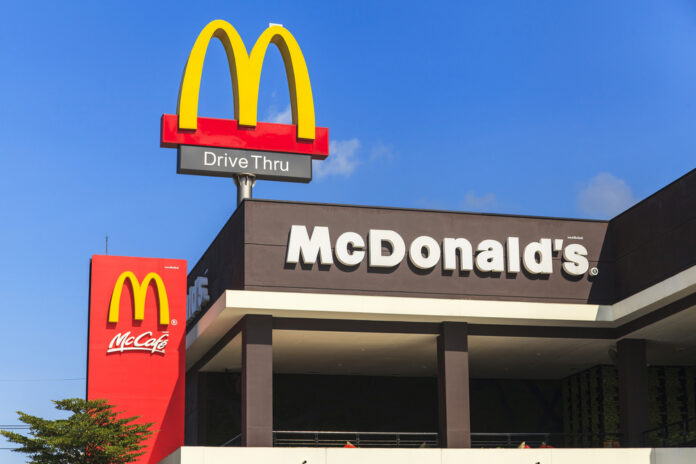
Paris rioters trashed a McDonald’s by Gare de l’Est, then tried to cook fries amid the wreckage.
Story Snapshot
- A McDonald’s on Boulevard de Magenta near Gare de l’Est was ransacked during October 17 unrest.
- Looters smashed windows, wrecked screens, and left the floor coated in food and syrupy mix.
- Reports and a witness account said intruders even tried to use the fryer to cook fries.
- The chaos echoed past French unrest, with broader damage across shops and streets.
What Happened Inside The McDonald’s
Le Monde reported that the McDonald’s near Gare de l’Est “lay in ruins” after looters stormed in during cost-of-living protests on October 17. The account placed the scene at Boulevard de Magenta, a busy artery by the rail hub. The report described broken windows, smashed ordering screens, and floors smeared with ketchup and spilled ice cream mixture. A related summary noted that some of those inside tried to cook fries before fleeing. That surreal detail captured how fast order collapsed.
Witness descriptions from the area matched many shopkeepers’ stories across central Paris that night. Crowds surged, some to protest, some to plunder. The McDonald’s case stood out because the brand is familiar, the visuals were striking, and the damage inside showed both anger and chaos. The image of a trashed counter alongside a hot fryer became a shorthand for the line crossed when a protest turns into a free-for-all. It was not politics at that point. It was vandalism with a side of fries.
Where This Fits In France’s Riot Playbook
The pattern tracks with prior French unrest. Peaceful marches can share streets with black-clad vandals and quick-strike thieves. During the peak of the 2018 Yellow Vest clashes, streets saw smashed storefronts and burned cars. A researcher at Sciences Po, the Paris political institute, said the 2026 damage was on par with Yellow Vest peaks in some respects. That matters because it places this McDonald’s not as a one-off, but as part of a known cycle that mixes politics, opportunism, and damaged livelihoods.
Police and city crews often face a tactical knot. They must protect the right to protest while stopping groups that use a march as cover to loot. Shop owners get caught in the middle. That night, cameras and phones were everywhere, which can fuel the mayhem. People film the spectacle, and others stage one for the camera. The McDonald’s images moved fast because they were simple to grasp. A broken window needs no caption.
Why The Details Matter To Ordinary People
Most readers know a McDonald’s. That common link strips away excuses. If looters smash a neighborhood burger place, they are not making a policy point. They are wrecking someone’s workplace and a franchisee’s investment. Insurance battles after French riots can be complex. Some policies exclude riot losses unless riders apply, and legal fights after unrest are common. That means the owner may face weeks of forms, arguments, and bills before the grills heat again. The damage outlasts the chant.
These scenes also shape how the public views the broader cause. Research on protest framing shows that images of looting can tilt opinion toward law and order and away from political sympathy. The McDonald’s case is a textbook example. Voters see ketchup on the floor and trashed screens, and they think about safety, work, and responsibility. That reflex aligns with common sense: protect streets, protect jobs, and punish criminals. Leaders who shrug at this invite a harder backlash later.
How Leaders Should Respond Next
French authorities must enforce quickly and evenly. That means quick arrests where evidence exists, real penalties for vandalism, and support for shop owners to reopen. The American conservative view prizes public order because it shields the working class first. When police hold the line, small businesses keep staff on payroll and customers return. When authorities hesitate, repeat offenders learn the wrong lesson. The McDonald’s fryer stunt should end in court, not as a viral badge.
Local officials should also harden targets near protest routes. Simple steps help: shutters, reinforced glass, and limits on open hours on high-risk nights. City halls can coordinate with franchise owners so staff lock down earlier when large marches are planned. Protest organizers who want moral high ground can deploy stewards, share intel with police, and denounce looting in real time. Speeches mean less than bodies on the curb blocking the first thrown brick.
What To Watch In The Coming Weeks
Expect insurance and repair timelines to define the real cost. A fast reopening shows resilience. A long closure shows a wound. Track whether arrests linked to the McDonald’s lead to charges, and if courts send a clear signal. Watch if the next march near République brings heavier protection for shops along Boulevard de Magenta. The cycle can be broken, but only if the cost of chaos outweighs the thrill of a smash-and-grab. Until then, fryers stay cold behind plywood.
Sources:
foxnews.com, lemonde.fr, newsbreak.com