
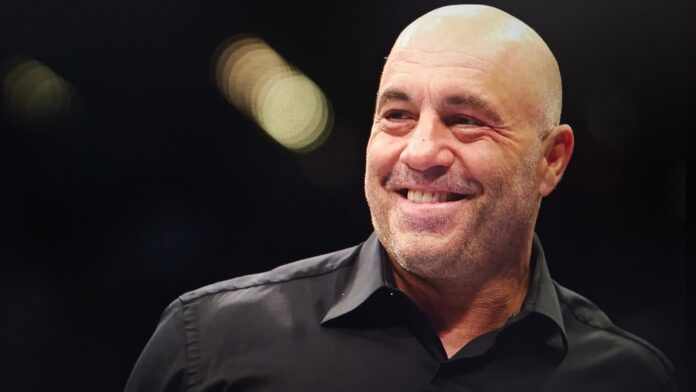
Joe Rogan says a new creed is pushing into churches and calling it Christianity.
Story Snapshot
- Rogan points to LGBT pastors and revised teachings as signs of a shift.
- He challenges claims on abortion and God’s gender as outside Scripture.
- Chuck Lorre warns that when cultures remove God, politics fills the void.
- Data show Christianity’s share has stabilized, complicating “replacement” claims.
What Rogan Actually Said And Why It Stuck
Joe Rogan used episode #2574 to say a “larger than normal” wave of LGBT pastors promotes “a very different Christianity.” He pressed two sharp tests: where Scripture says abortion is fine, and where it says God is non-binary. He argued this is not a small tweak but a break from “the original stuff”. He then pushed a consistency check: if moderns will cut hard passages, why skip slavery and warfare first, before changing God’s nature.
Rogan’s hook worked because he named doctrines, not just vibes. He did not cite pastors or churches, which limits the proof of scale. But the charge is clear: politics is sneaking into the pulpit under a church label. That line connects with a larger concern on the right: when faith yields to fashion, the weak lose guardrails, and power fills the gap. The question becomes whether this is drift inside denominations or a swap of God for a cause.
Claims Of “Ideology As Religion” And The Counter-Frame
Chuck Lorre, in the same news cycle, said cultures that drive out God tend to replace Him with a party or a ruler. He cited communist and fascist examples to show what fills the empty altar when faith is removed. That echoes a conservative view: people will worship something, and if not God, then the state or the self. It is a warning about first loves, not a footnote about messaging.
Progressive Christian voices push back on the core charge. Texas lawmaker James Talarico says “God is nonbinary” was a provocative way to say God transcends human gender. He claims Genesis uses both masculine and feminine terms and that Scripture itself teaches transcendence. He says his aim is inclusion while staying within the faith, not replacing God with politics. His defense shows an internal debate on language and authority, not a simple denial of God.
How Big Is This Shift? What The Numbers Can And Can’t Tell You
Polls show the Christian share of the United States has steadied near about six in ten adults since 2019. That tempers sweeping claims of a collapse or total replacement. The Religious Landscape Study reports stability, not a fresh free fall. These numbers do not settle doctrine. They do show that the broad label “Christian” still holds many people. The live fight is inside the label: who sets the lines, and which teachings count as core.
Conservatives will ask for receipts: names, sermons, votes, and confessions. Rogan did not name pastors or cite formal policies, which leaves his case as a cultural read more than a dossier. Yet his questions track with common sense. If a church swaps clear texts for the mood of the moment, what stops the next swap? Authority must land somewhere. If not in Scripture and long-held creeds, it lands in activists, academics, or algorithms. That is not paranoia; that is human nature.
Where This Fight Heads Next
Expect more pastors to clarify what they teach on abortion, gender, and biblical authority. Expect progressives to stress God’s love and transcendence, and conservatives to stress the fixed meaning of texts. The next test will be institutional. Watch denominational votes, ordination rules, and school policies. Those records show whether this is a few loud clips or a true turn. Until then, Rogan’s shot forces a fair choice: follow the book, or follow the age. Most churches cannot do both for long.
Sources:
us.headtopics.com, singjupost.com, youtube.com, foxnews.com, us.cnn.com, newsweek.com