
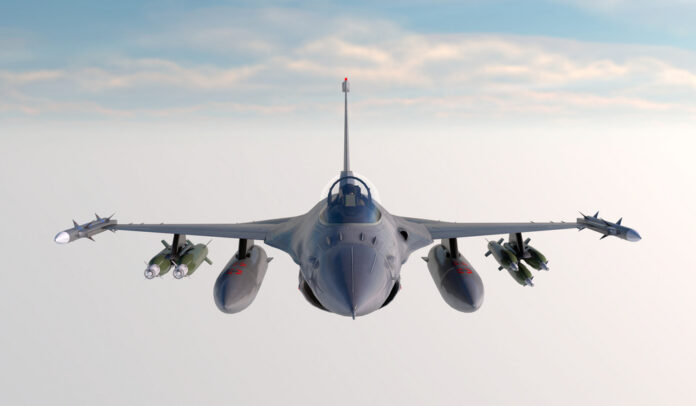
A North American Aerospace Defense Command F-16 pulled in front of a small plane near Palm Beach and guided it out of restricted airspace while President Trump was in town.
Story Snapshot
- NORAD said an F-16 intercepted a civilian plane inside a Palm Beach flight restriction and escorted it out.
- First Air Force reported the response at about 10:49 a.m. Eastern and said all aircraft landed safely.
- Federal Aviation Administration temporary flight restrictions warn violators they may be intercepted.
- A close pass, dubbed a “headbutt” in the media, aimed to get the pilot’s attention before the pilot complied.
What Happened Above Palm Beach And Why It Mattered
North American Aerospace Defense Command reported that an F-16 fighter jet intercepted a civilian aircraft that entered a temporary flight restriction over Palm Beach, Florida, and escorted it out of the area. First Air Force listed the purpose: intercept, establish contact, and ensure the aircraft complied with directions outside the protected zone. The rule exists for a straightforward reason. When the President is present, the sky around him becomes a shield. Pilots are warned and told how to stay clear.
First Air Force placed the response at about 10:49 a.m. Eastern Time and confirmed that all aircraft landed without incident. That outcome matches the handbook playbook: identify, communicate, and redirect. No one is looking for drama. The goal is order and safety in crowded airspace. The agencies did not name the erring aircraft or pilot. That is normal in early summaries focused on the security action and the safe end.
How A Fighter “Talks” To A Lost Or Unresponsive Pilot
Fighter pilots use clear, taught signals to get attention. They pull near the other plane, rock wings, and, when needed, fly ahead along a path the other pilot should follow. Media called one such close pass a “headbutt,” but the idea is simple: get seen, get heard, and lead the way out. CBS reported the F-16 flew in front to gain attention, the pilot responded, and then exited the zone as directed. The visual lead is a standard tool, not a stunt.
Federal Aviation Administration procedures tell civilian pilots what to do during an intercept. Stay predictable. Watch for hand and light signals. Tune to guard frequency 121.5 megahertz. Follow the fighter’s lead until released. Federal Aviation Administration guidance also spells out why intercepts happen: to identify, track, inspect, divert, or establish contact. These steps keep small mistakes from becoming big problems and prevent guesswork when seconds count.
A military fighter jet used a "headbutt maneuver" Saturday to intercept a civilian aircraft that entered restricted airspace near President Donald Trump's Mar-a-Lago resort in Palm Beach, Florida. https://t.co/CYySLTAp0Y
— NEWSMAX (@NEWSMAX) October 26, 2026
The Rule That Built The Response
Temporary flight restrictions form a moving fence in the sky. The Federal Aviation Administration publishes them and links them to high-profile events and VIP travel. The notice for Palm Beach shows the plain warning that pilots who ignore procedures may be intercepted. That is not bluster. It is a heads-up that the national air defense network is watching and will act. North American Aerospace Defense Command has done this elsewhere as well, including Delaware in 2023, and brought planes out without harm.
NORAD’s press account and First Air Force’s release follow the same script: a civilian aircraft strayed where it could not go, fighters arrived, contact was made, and the aircraft left, with everyone landing safely. This is the system working as intended. It guards the President, protects people on the ground, and, yes, helps the pilot who wandered in. That is both security and mercy, which most Americans want from government power used in the air.
What To Make Of The “Headbutt” Label
Some outlets leaned into the “headbutt” term to capture the visual of a jet sliding in front of a slower plane. Colorful words sell clicks, but the facts point to a routine intercept, not a Hollywood chase. The close pass is a communication method when radios fail or attention slips, and it ended with quick compliance, which matches standard intercept playbooks and the agencies’ plain-language statements. The bottom line is simple: message sent, message received, skies secured.
Sources:
cbsnews.com, norad.mil, 1af.acc.af.mil, tfr.faa.gov, yahoo.com