
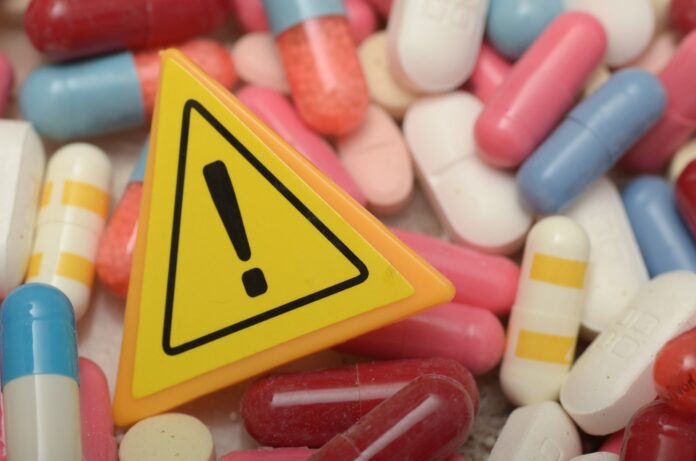
Six peptides that the Food and Drug Administration (FDA) has never approved can now be sold by compounding pharmacies, because the Department of Health and Human Services (HHS) says it simply won’t prosecute anyone for making them.
Quick Take
- HHS will not take legal action against pharmacies compounding BPC-157, epitalon, KPV, MOTS-c, semax, and TB-500 while formal FDA review continues.
- Pharmacies must certify the identity and purity of each compound before selling it.
- FDA’s own scientists warned these peptides lack solid human safety and effectiveness data.
- The move follows a July 2026 FDA advisory committee vote recommending the peptides for a formal approved substances list.
What HHS Actually Decided
HHS announced on October 28, 2026, that it would exercise what regulators call “enforcement discretion” on these six peptides. That phrase means the government won’t sue or shut down pharmacies that compound them, even though none have gone through full FDA drug approval. Pharmacies still have to confirm the identity and purity of what they’re mixing before it reaches patients.
This isn’t a backdoor loophole invented overnight. It’s a legal workaround regulators have used before when the rules haven’t caught up with demand. Robert F. Kennedy Jr.’s HHS chose to apply it here instead of waiting for FDA’s slower formal rulemaking process to finish, a process that could take months or years longer.
The Science Behind the Six Peptides
These peptides are popular in wellness and anti-aging circles. BPC-157 is marketed for gut healing and injury recovery. TB-500 is pitched for muscle repair. Semax and epitalon show up in longevity supplements. None of them have completed the clinical trials FDA normally requires before a drug reaches pharmacy shelves nationwide.
FDA’s Pharmacy Compounding Advisory Committee spent two days in July 2026 weighing whether these substances belonged on the agency’s official list of approved bulk compounding ingredients. The committee voted to recommend most of them for inclusion, which is the regulatory green light HHS is now getting ahead of.
FDA’s Own Scientists Raised Red Flags
Here’s where the story gets uncomfortable. FDA staff scientists who reviewed the data concluded that none of the six peptides could be fully characterized chemically, and many lacked solid proof of safety or benefit. For BPC-157 specifically, agency reviewers called the available clinical safety information insufficient and flagged a real risk of immune reactions tied to impurities.
Researchers also found little evidence the peptides worked for the conditions people use them for, like ulcerative colitis or opioid addiction recovery. The human studies reviewed were short, small, and described as exploratory rather than conclusive. The Center for Science in the Public Interest pointed to real hospitalizations, including a woman treated after using BPC-157 for weight control and a man hospitalized in a life-threatening condition after taking the same peptide.
Physicians outside government have echoed that caution. Dr. Jonathan Nora said none of the seven peptides FDA reviewed had the clinical trial evidence needed to prove they’re safe and effective, warning that moving too fast could cause long-term harm and invite scrutiny down the road.
A Pattern as Old as Compounding Law Itself
This isn’t the first time regulators have used enforcement discretion to bridge a gap between what the law technically requires and what the market is already doing. FDA used a similar approach during the GLP-1 weight-loss drug shortage, declining to act against compounders copying brand-name drugs while supply caught up. Compounding pharmacies have operated for decades in a gray zone between full drug approval and everyday pharmacy practice.
That history matters here. Enforcement discretion buys time, not proof. It tells pharmacies the government won’t come after them today, but it says nothing about whether these peptides are actually safe for the patients buying them. Conservatives who value both personal choice and government accountability should watch this gap closely, because loosening access without finished safety data shifts real risk onto consumers who may assume federal silence means federal approval.
What This Means for Patients and Pharmacies
For now, patients can legally obtain these six peptides through licensed compounding pharmacies, provided those pharmacies meet purity and identity rules. FDA’s formal rulemaking process continues in the background, and the agency could still decide to exclude some peptides, including BPC-157, from permanent approval. Until that decision lands, patients are essentially the test group for a drug class regulators haven’t finished evaluating.
HHS will let pharmacies compound six unapproved peptides, for now — this is not an FDA approval
Health and Human Services posted a policy on Wednesday that lets certain pharmacies and doctors compound six peptides the FDA has not approved. The American Academy of Peptide… pic.twitter.com/27JIqfMIAh
— Jeromy Lewis (@ExtensiveGrowth) October 28, 2026
Supporters frame this as expanding medical freedom and giving Americans faster access to promising treatments. Critics, including FDA’s own reviewers, say the data simply isn’t there yet. Both things can be true at once, and that tension is exactly why this story is worth watching closely in the months ahead.
Sources:
fda.gov, ncpa.org, mcdermottlaw.com, cspi.org, pharmexec.com