
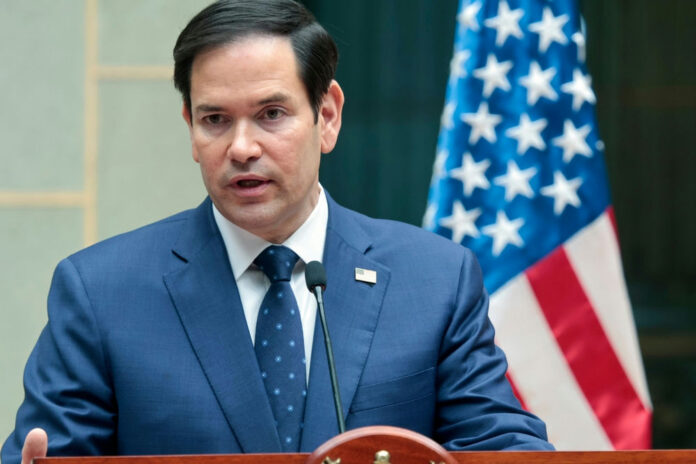
Secretary of State Marco Rubio told Cubans who want change to contact the Central Intelligence Agency, and the agency signaled yes, here is how.
Story Snapshot
- Rubio urged Cubans seeking “positive change” to partner with the Central Intelligence Agency on Oct. 23, 2026.
- The Central Intelligence Agency amplified the call on social media and posted Spanish guidance, including contact steps.
- The guidance listed three contact routes and what details to share, with warnings to stay discreet.
- Cuban officials dismissed the move as public recruitment and mocked the effort.
Rubio’s Public Appeal And The Central Intelligence Agency’s Response
Secretary of State Marco Rubio called on Cubans who want change to reach out to the Central Intelligence Agency and “seize this opportunity” through a discreet partnership. He posted the message on Oct. 23, 2026, saying many Cubans are tired of corruption and broken promises. The Central Intelligence Agency quickly engaged. Reports say the agency reposted Rubio’s statement and shared a Spanish video that told people how to get in touch, turning a politician’s call into an official on-ramp.
To those who seek to create positive change in Cuba – now is the time.
The disappointment of failed promises, corruption, and the privileged lives of only a few; seize this opportunity to create the change you desire through a discrete partnership with the CIA.
— Secretary Marco Rubio (@SecRubio) October 23, 2026
The agency’s post did more than cheer from the sidelines. It mapped contact paths and set guardrails for safety. The message said to reach out only if you have information that matters to the agency. It also said the Central Intelligence Agency assesses messages case by case and may not reply. That language narrowed the target to people with access, not just street activists or everyday critics.
How The Central Intelligence Agency Told People To Make Contact
The Central Intelligence Agency’s guidance outlined three ways to connect. First, visit a United States facility in person if that is safe. Second, send a trusted person to that facility if you cannot go yourself. Third, use the agency website from a secure network with a private browser and a burner email. The video also told senders what to include: city and country, job, level of access, the kind of information they have, and a safe way to reply.
The instructions urged care. They warned that security services or others might still see which sites you visit, even when pages are encrypted. The guide stressed that the person knows their risk best. That message fit the reality of authoritarian surveillance. It also showed the Central Intelligence Agency wanted to widen its inbox while reminding people to protect themselves online and in real life.
Why An Open Call Matters In U.S.–Cuba History
Public recruitment by a spy service is rare, but not unheard of. Washington has long mixed intelligence work, exile networks, and political pressure in Cuba. The Central Intelligence Agency’s own history recounts training Cuban exiles before the Bay of Pigs. That Cold War legacy makes today’s open outreach notable but not shocking. It signals interest to insiders who might have access, and it lowers the barrier for first contact with the United States government.
Supporters of Rubio’s move see a clear aim: help people on the island share real information with the United States, and do it now. That aligns with conservative values of standing with the oppressed and confronting communist rule. A transparent how-to can also deter charlatans by setting clear expectations. It says, bring facts and access, not slogans. It also puts responsibility on the individual to judge risk, which respects personal agency and common sense.
Havana’s Pushback And The Politics Of Optics
Cuba’s deputy foreign minister, Carlos Fernandez de Cossio, mocked the appeal as public recruitment. He portrayed it as a sign of weakness by the Central Intelligence Agency. That jab plays to Havana’s base and its allies abroad. It tries to turn the spotlight from Cuba’s failures to Washington’s tactics. But the agency’s guidance did not promise regime change or a rescue. It laid out contact lanes and left the choice to Cubans with real access.
One fact sits in the middle of the noise: reports so far do not show who, if anyone, reached out or what followed. That is normal for intelligence work, which lives in the dark. The public part served a different purpose. It told potential insiders that the United States is listening and gave them a safe starting point. For some, that might be enough to tip a hard private choice toward action. For others, the risks will still rule the day.
Sources:
cbsnews.com, verity.news, afp.com, timesofindia.indiatimes.com, thehill.com, riotimesonline.com