
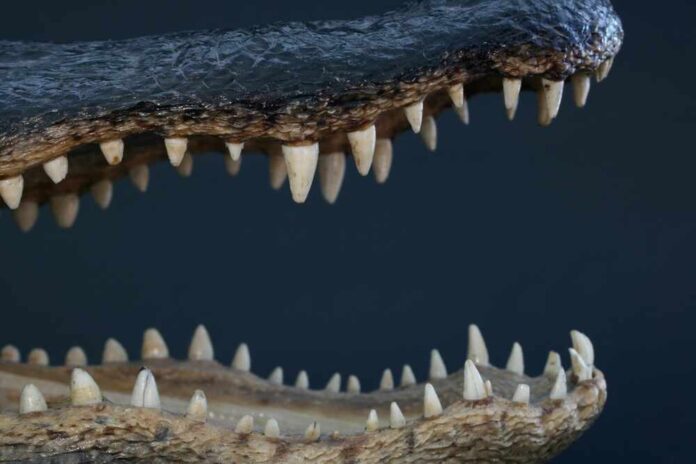
In a stunning turn of events, a courageous and determined 15-year-old American girl fought off a 10-foot alligator that dragged her underwater.
At a Glance
- Teen Summer Hinote survived a vicious alligator attack in Okaloosa County, Florida, by fighting back and escaping its jaws.
- The attack happened in broad daylight at a popular local creek, shaking the community and raising questions about real safety measures.
- Authorities have not captured the alligator responsible, and local families are demanding more practical warnings and common-sense precautions.
- The incident highlights both the resilience of everyday Americans and the real-world risks lurking in our own backyards.
A Florida Teen Faces Down a Predator—And Wins
Summer Hinote was doing what countless American kids do on a summer day—wading in a creek with friends in Okaloosa County, Florida. That’s when a 10-foot alligator burst from the murky water, grabbed her leg, and yanked her under.
This wasn’t some made-for-TV drama; it was a harrowing, real-life struggle. Summer didn’t freeze or wait for help from some government agency. She punched the alligator in the head, broke free for an instant, then got pulled under again.
She kept fighting—swinging, kicking, doing what it took—until, with help from a friend, she escaped the beast’s jaws and made it to shore battered but alive.
Stories like this remind us that bravery and quick thinking matter more than any “official” pamphlet. Summer’s mother rushed her to first responders, and quick medical attention ensured she didn’t lose her leg. While the physical wounds were severe, Summer beat the odds, and her spirit is unbroken.
Her firsthand account—punching the gator and refusing to give up—has become a rallying cry for local families who are tired of being told to “just trust the experts” and “wait for instructions.” They want real warnings, real solutions, and the freedom to defend themselves and their loved ones.
Community Demands Action While Officials Offer Warnings
The attack set off alarm bells throughout Okaloosa County and across the state. The pond where Summer was attacked, Pond Creek, is a common hangout for families, kids, and tourists—exactly the kind of place where you’d expect safety to be a priority.
But, as usual, the so-called experts at the Florida Fish and Wildlife Conservation Commission (FWC) and the Walton County Sheriff’s Office responded with the same old song and dance: general warnings, reminders to “stay alert,” and advice to avoid swimming at dawn or dusk.
Meanwhile, the alligator that nearly killed Summer is still out there, free as ever, and folks are left to fend for themselves. Locals aren’t buying it.
The idea that a few posted signs or generic press releases will keep kids safe is laughable. Parents are demanding better—not just more bureaucratic oversight, but real accountability, real patrols, and the right to protect themselves and their families.
The story of Summer Hinote is being shared as proof that everyday citizens, not distant government agencies, are the first and best line of defense against danger, whether it’s a 10-foot alligator or the creeping threat of government overreach that tells you to wait for help instead of taking action.
Survival Instincts Triumph Over Bureaucratic “Expertise”
Experts were quick to point out that alligator attacks in Florida are rare—just eight bites a year that require medical attention, according to the FWC’s own numbers. But when it’s your child, your neighbor, or your community, statistics don’t matter.
What matters is being prepared and having the freedom to act. Survival instructors and wildlife professionals actually agree on one point: when an alligator attacks, fighting back is your best chance.
Summer Hinote’s story makes that crystal clear. Her refusal to play victim, to wait passively for “help,” is a lesson in self-reliance that should be taught in every schoolhouse in this country.
The aftermath is ongoing. Summer is recovering at home, her story inspiring others to value courage over compliance. No further attacks have been reported in the area, but the alligator remains at large—a reminder that nature, like many threats, doesn’t disappear just because a press release says so.
amilies are more vigilant. Some are calling for more aggressive removal of dangerous wildlife, while others stress coexistence and education. But one thing’s for sure: real safety comes from real action, not empty promises or reliance on the state.