A routine test at a Maryland soup maker tripped a Listeria alarm, and Walmart pulled tomato bisque kits fast.
Story Snapshot
- Kettle Cuisine recalled Marketside Tomato Bisque Soup Kits for possible Listeria contamination.
- The 14-ounce kits were sold only at Walmart stores across dozens of states.
- The trigger was a company test that flagged a presumptive positive result.
- No confirmed illnesses had been reported at the time of the recall.
What triggered the recall and who is affected
Kettle Cuisine LLC, based in Savage, Maryland, announced a recall of 14-ounce Marketside Tomato Bisque Soup Kits after a routine internal test showed a presumptive positive for Listeria monocytogenes.
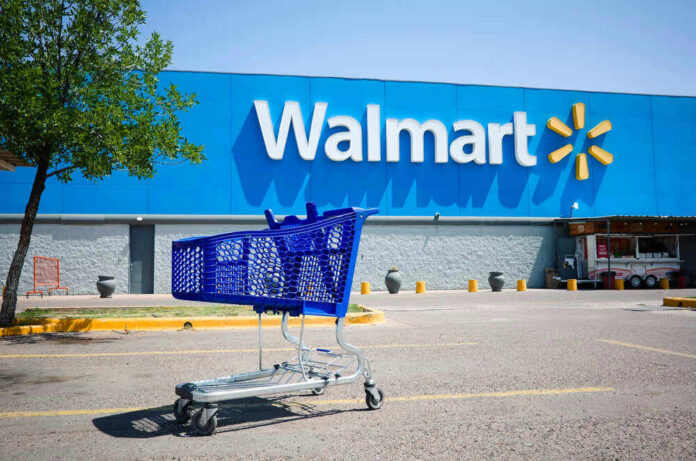
The company coordinated with the Food and Drug Administration (FDA) to remove the product from stores and warn customers. The kits were sold exclusively at Walmart locations in a wide footprint, reaching at least 29 states, according to multiple reports that tracked store distribution.
The recall covers a refrigerated, heat-and-eat soup kit that many shoppers keep for a quick meal. The narrow format matters because Listeria can survive in cold, wet places and can persist on equipment.
That is why ready-to-eat foods draw zero tolerance from federal regulators. Even a hint on a test can pull a product before anyone gets sick. Kettle Cuisine said it had received no confirmed reports of illness when it launched the recall.
Why a presumptive positive result sets off alarms
Food companies run tests to detect risk early. A presumptive positive does not wait for perfect certainty because Listeria can cause severe illness, especially in older adults, pregnant women, and people with weak immune systems.
The FDA treats Listeria in ready-to-eat foods as a zero-tolerance hazard for that reason. That policy pushes manufacturers to act fast, then sort details later. The cost of moving too slow can be hospitalizations or worse. The cost of acting early is logistics and waste.
Walmart tomato soup kits recalled over Listeria contamination risk, FDA says https://t.co/wK7n6XGOqu
— CBS News (@CBSNews) August 15, 2026
This tomato bisque recall also fits a larger pattern. Listeria drives a large share of food recalls in the United States over long periods because it thrives in cool environments and can be hard to root out once inside a plant.
A published analysis of recalls from 2002 to 2023 found biological contamination, including Listeria, made up a major slice of total recalls. Many events are precautionary, launched without known human cases, to cut risk paths before they widen.
What shoppers should do right now
Shoppers who bought a Marketside Tomato Bisque Soup Kit should check their refrigerator. If the kit matches the recall details, do not eat it. Throw it out or return it to the store for a refund. Clean the fridge shelf and any utensils that touched the kit.
Wash hands with soap and warm water. People who already ate the soup and now feel fever, headache, stiff neck, or stomach upset should contact a doctor. High-risk groups should not wait to seek care.
🚨 RECALL ALERT: Kettle Cuisine is recalling Marketside Tomato Bisque Soup Kits (14 oz), sold exclusively at Walmart, due to potential Listeria contamination. ⚠️ Do not consume. Discard or return to Walmart for a full refund.
Details: https://t.co/Wq3KuYnVCw pic.twitter.com/jrRTqazKsh
— VDACS (@VaAgriculture) August 17, 2026
Walmart’s footprint and the product’s ready-to-eat nature raise stakes. Quick meals sit at eye level for families, workers on the go, and seniors who want simple heat-and-eat choices. That is convenience done right—until a lab test rings.
Then the duty shifts to speed and clarity. The company reported the test result, issued the recall with FDA, and said no confirmed illnesses had been linked to the soup at that time. That cadence matches best practice for consumer safety.
The bigger lesson for home kitchens and food makers
Cold foods can still carry hot risks. Listeria does not mind the fridge. It hides in drains, grooves, and gaskets. It rides on a speck of residue from yesterday’s batch into today’s. That is why plants use deep cleaning, zone controls, and regular swabs. When those swabs flag risk, the most responsible move is to pull product and over-communicate.
Sources:
foxbusiness.com, fda.gov, scrippsnews.com, yahoo.com