
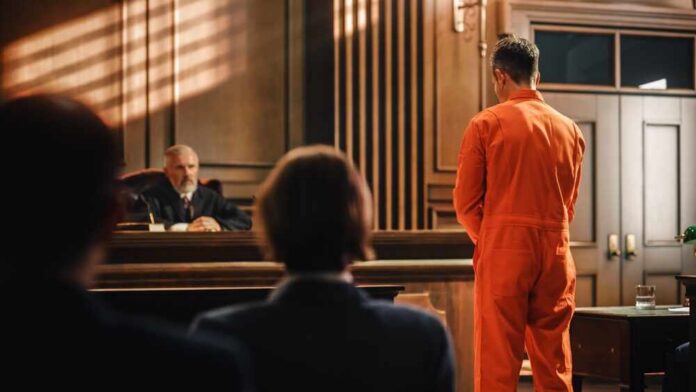
A rising pop star now faces a murder trial after a judge ruled that the decomposed, dismembered body of a 14-year-old girl found in his Tesla, plus a mountain of digital evidence, is enough to send the case to a jury.
Story Snapshot
- A Los Angeles judge ordered singer D4vd, legal name David Burke, to stand trial for murder in the death of 14-year-old Celeste Rivas Hernandez.
- Celeste’s dismembered remains were found in body bags inside the front trunk of a Tesla registered to Burke, months after she vanished.
- Prosecutors say forensic traces, online purchases of chainsaws and a pool, and texts about their secret relationship point to a planned killing and cover-up.
- The defense claims the family knew about the relationship, while the court now must decide if the digital trail proves murder beyond a reasonable doubt.
Judge Finds Enough Evidence For A Murder Trial
Los Angeles Superior Court Judge Charlaine Olmedo listened to five days of grim, detailed testimony before deciding this case must go to trial.
Prosecutors laid out charges of murder, continuous sexual abuse of a child under 14, and unlawful mutilation of human remains against 21-year-old singer David Burke, who performs as D4vd.
The judge did not rule that Burke is guilty. She ruled that the mix of physical, digital, and witness evidence gives “probable cause” for a jury to hear the case.
That single legal phrase, probable cause, may sound dry. In this courtroom, it meant parents watching graphic photos of their child’s dismembered body on a screen, while lawyers argued over how she died and why she ended up in a car linked to a charting music star.
A Teen Vanishes, Then A Body Is Found In A Tesla
Celeste Rivas Hernandez was a seventh-grade girl who disappeared in April 2025, on the day prosecutors say she was last seen alive leaving home.
Seven months later, just after her fifteenth birthday, workers at a Hollywood tow yard opened the front trunk of what looked like an abandoned Tesla.
Inside, they found two body bags full of severely decomposed human remains, later identified as Celeste.
Judge rules singer D4vd must stand trial in killing of 14-year-old Celeste Rivas Hernandez 👉 https://t.co/RCotLGaaGo pic.twitter.com/zdnQl0zbpu
— Alaska's News Source (@AKNewsNow) July 28, 2026
The Tesla was registered to David Burke. Detectives and crime scene techs documented a cadaver bag full of insects containing her head and torso, with another bag holding her arms and legs beneath it.
Eleven air fresheners surrounded the bags, suggesting someone tried to mask the smell of decay. That single discovery ties Burke directly to the aftermath of the killing, even before prosecutors get to intent and motive.
Forensic Clues: Chainsaws, An Inflatable Pool, And Blue Plastic
The horror in this case comes not only from where Celeste’s body was found, but from how it got there. An autopsy report said she died from “multiple penetrating injuries” to her chest and abdomen, consistent with sharp force trauma. Prosecutors say she was stabbed, then placed in an inflatable pool in Burke’s garage and dismembered with chainsaws.
Blood collected from Burke’s garage matched Celeste’s DNA profile. Experts also found tiny blue plastic fragments embedded in her severed limbs and in the cut surfaces of her torso.
Those fragments matched the material of an inflatable pool bought and delivered to Burke’s address, according to police and court filings.
The Digital Trail: Relationship, Threat, And Alleged Cover-Up
The case does not rest on forensics alone. Prosecutors walked the judge through texts, photos, and online orders that they say show an illegal sexual relationship between Burke and Celeste, followed by panic when she threatened to expose him.
Celeste was 14, well below the age at which any “consent” has legal meaning under American law. For those who value parental authority and child protection, that point is central. Adults must not prey on minors, period.
Deputy District Attorney Beth Silverman described “a significant amount” of child sexual abuse material found on Burke’s iPhone, along with about forty terabytes of seized digital data from phones, platforms, and other sources.
Investigators traced online purchases of chainsaws, body bags, an inflatable pool, and a shovel to Burke or his home after Celeste’s death, lining up those orders with the timeline of dismemberment and concealment.
This is modern prosecution in action: follow the clicks, the messages, and the location pings, then tie them to blood and plastic in the real world.
The Defense Response And The Question Of Proof
Burke has pleaded not guilty to every charge. His defense team has pushed back on the picture painted by prosecutors, arguing that Celeste’s family knew about the relationship and suggesting that some evidence may be less clear than the state claims.
Defense lawyers often attack gaps in the timeline, chain of custody for forensic samples, and interpretation of digital data. That is not only expected; it is essential in a system that promises due process.
Still, when you step back, this case taps into deeper worries many Americans have. Parents see a 14-year-old girl, a famous adult man, and phones full of sexual material, and they ask how this could go on without intervention.
Voters who value law and order and the protection of children look to the justice system and expect firm action when a minor is harmed and hidden in a car trunk. The judge’s ruling does not convict Burke, but it reflects that expectation: serious evidence deserves a full public trial.
Sources:
abc7ny.com, bbc.com, youtube.com, foxla.com, instagram.com