A Minnesota woman says a Chipotle burrito bowl left her with salmonella, sepsis, and a lawsuit that ties her illness to a wider jalapeño outbreak.
Quick Take
- Kristen Behne filed suit in federal court in Minnesota after a Chipotle meal in Roseville.
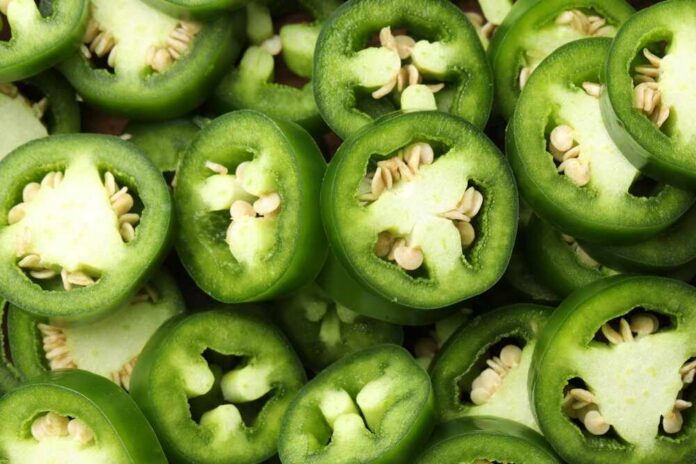
- Her complaint says contaminated jalapeño peppers caused a Salmonella infection that led to sepsis and hospitalization.
- Health officials linked the outbreak to jalapeños and said hundreds of people across many states were sickened.
- Chipotle said it removed the suspect jalapeños and replaced them with peppers from other growers.
The Lawsuit Puts a Human Face on a Bigger Outbreak
Kristen Behne’s lawsuit turns a public health investigation into a personal injury case. According to the reporting, she ate a chicken burrito bowl at a Chipotle in Roseville, Minnesota, on June 24 and became seriously ill about three days later. The complaint says her sickness escalated into sepsis, forcing a hospital stay and prompting the lawsuit against the company.
The case matters because it sits at the point where outbreak science and courtroom proof meet. Health officials had already tied the jalapeño peppers to a Salmonella Javiana outbreak, and multiple reports said the peppers came from a common supply chain. That kind of tracing gives a plaintiff a strong story, even though a lawsuit still has to prove the illness and the specific meal are connected.
What Behne Says Happened
Behne’s filing says Chipotle served her contaminated jalapeño peppers in the burrito bowl and that the peppers caused her salmonella infection.
Reporting on the suit says she was hospitalized with sepsis after the infection, which is a severe and sometimes life-threatening response to bacteria spreading in the body. The complaint also points to the timing of her illness as part of her claim.
Minnesota woman hospitalized with sepsis sues Chipotle over salmonella outbreak tied to jalapeño peppers https://t.co/Xxqre0TKmX
— CBS Mornings (@CBSMornings) August 6, 2026
That timing is one reason the lawsuit has drawn attention. FOX 9 reported that she became ill and lost consciousness roughly 76 hours after eating at Chipotle, which fits the usual window for salmonella symptoms to appear.
The company has not admitted fault in the reports, but the lawsuit argues that the meal and the outbreak line up closely enough to support damages.
How the Outbreak Reached Chipotle and Qdoba
Public health officials said the outbreak grew well beyond one restaurant. The Food and Drug Administration said the investigation expanded to Qdoba as well, and ABC News reported that officials identified jalapeños grown in Mexico and distributed by Coast Citrus Distributors as the likely source. The Centers for Disease Control and Prevention said the outbreak had sickened 345 people across 27 states, with 36 hospitalizations.
Chipotle said it pulled the suspect jalapeños from the restaurants that received them and replaced them with peppers from different growers.
That move matters because it shows the company acted once the supply problem became public, and health officials later said they did not consider there to be an ongoing risk from eating at Chipotle or Qdoba. For readers, that is the sharp edge of foodborne-illness cases: one meal can become evidence in a much larger chain of events.
Why This Kind of Case Follows a Familiar Pattern
Foodborne illness lawsuits often begin with a shared outbreak, then narrow down to one person’s meal and medical harm. In those cases, plaintiffs usually rely on timing, interviews, and traceback records, while defendants try to avoid being treated as the source of every individual illness. That is why this lawsuit is less about one bowl of food than about how public health evidence gets used in civil court.
Behne’s filing is part of a broader wave of claims that often follow a fast-moving outbreak. The legal fight will likely focus on causation, damages, and what the company knew, when it knew it, and how quickly it responded.
For the public, though, the story stays simple: a lunch, a bacteria outbreak, a hospital stay, and a woman now asking a court to make the company answer for it.
Sources:
cbsnews.com, fox9.com, globalnews.ca, kstp.com, nbcnews.com, bloomberg.com, oftlaw.com, wsj.com, pritzkerlaw.com