
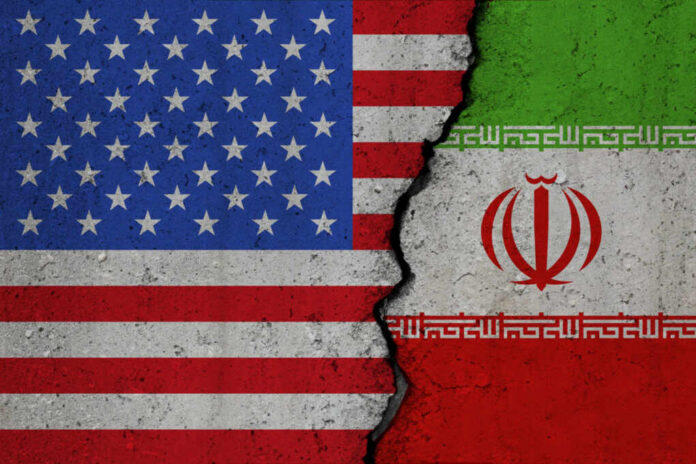
President Trump vowed an “Economic D-Day” against Iran and warned its backers of “tremendous” costs, signaling a full-court financial press to choke the regime.
Story Highlights
- Trump is shifting from fresh strikes to escalating economic pressure on Iran.
- Treasury signaled unprecedented measures as early as next week.
- Sanctions, a naval blockade, and oil export targeting form the core plan.
- Supporters and enablers of Tehran risk severe U.S. penalties, Trump warned.
Trump Signals A Hard Pivot To Economic Warfare
President Trump said the United States is “low keying it” on new strikes and is relying on growing economic pain inside Iran, after months of conflict and sanctions.
He framed Tehran as cash-starved and isolated, and made clear the White House will wait as pressure mounts rather than launch new large attacks right now. This approach keeps options open while signaling resolve. It also centers U.S. leverage on dollars, shipping lanes, and oil trade chokepoints.
Trump then drew a sharp line for outside players. He warned countries and companies that help Iran that they could face “tremendous” consequences under expanded measures. That message aims to dry up lifelines and scare off banks, refiners, shippers, and brokers.
It also tells allies and rivals that Washington is serious about secondary penalties. This puts global partners on notice that doing business with Tehran may carry steep U.S. costs.
NEW: President Trump is turning up the pressure on Iran, announcing what he calls the "MOST CRUSHING ECONOMIC OPERATION EVER TAKEN AGAINST ANY COUNTRY."
"This will be Economic Warfare and Isolation on an unprecedented scale."
"I am also announcing that ANY country that allows… pic.twitter.com/2bt1LIKf5S
— FOX Business (@FoxBusiness) August 20, 2026
Treasury Readies “Never-Before-Seen” Measures
The Treasury Department, led by Secretary Scott Bessent, said new actions “never seen” before could arrive as soon as next week. That timing hints at a rolling campaign, not a one-off press release.
Past maximum pressure efforts showed how fast regulators can move when the White House directs it. Today’s toolset includes sanctioning shell networks, cutting off maritime logistics, and blocking access to key financial rails that move oil revenue and hard currency.
Officials and major outlets also describe a wider effort against Iran’s oil exports supported by a naval blockade, which tightens the noose at sea and in markets. Cutting oil shipments hits Tehran where it hurts most, since oil funds its military and terror proxies.
Reports say the administration is focused on squeezing exports, insurance, and shipping services to raise costs and risks for anyone moving Iranian barrels.
How This Fits The Long Sanctions Playbook
Washington has leaned on sanctions against Iran for decades, including a major re-imposition in 2018 that branded the campaign “maximum financial pressure.” That history shows two truths: sanctions can hit inflation, currency, and output hard; turning that pain into policy change is less certain.
Even so, choosing economic power over new large-scale strikes lowers the burden on U.S. troops and taxpayers and respects the American demand to avoid endless wars while staying tough.
Analysts note that sanctions often bite early and then face limits as targets adapt. Studies and past cases show strong impacts on trade, exchange rates, and growth, but mixed results on changing a regime’s choices.
Policymakers counter that results improve when pressure is wide, fast, and enforced across borders. That is why Trump’s warning to Iran’s backers matters. If banks, shippers, and buyers step back, Tehran’s workarounds shrink and revenue drops faster.
What To Watch Next: Oil, Shipping, And Enforcement
Markets will watch oil flows and prices. If Iranian shipments fall, Tehran loses cash, and global buyers must find other barrels. Strong maritime enforcement and tighter insurance rules could speed that effect.
Clear, public designations from Treasury and strict penalties for violators will decide how real the fear is for firms on the fence. If secondary sanctions hit hard, expect fewer deals with Iran and more stress on its budget and currency.
Trump announces Economic D-Day against Iran, targeting oil, trade, shipping & financial networks.
Secondary sanctions could raise global pressure.
📊 Potential impact: Oil ↑ | Gold ↑ | USD ↑ | Risk Sentiment ↓ Key risk: supply disruptions or wider escalation.#trump pic.twitter.com/LotAMZAfav
— Carlos And Company (@carlosandcompny) August 20, 2026
If the White House, Treasury, and partners close the gaps, Iran’s rulers will face shrinking funds for missiles, militias, and repression. If enablers ignore the warning, they risk the “tremendous” costs President Trump just put on the table.
Sources:
aljazeera.com, cnbc.com, fortune.com, npr.org, finance.yahoo.com, state.gov, bloomberg.com