One split-second decision to pick up Tennessee’s most dangerous snake sent ripples through a state park, reminding everyone just how little stands between adventure and tragedy.
Story Highlights
- A hiker’s fatal encounter with a timber rattlesnake in Savage Gulf State Park exposes the real dangers of handling wildlife.
- The victim’s death, likely from an allergic reaction, is rare and has triggered urgent safety advisories for outdoor enthusiasts.
- Emergency response and public messaging by local officials spotlight the importance of preparedness and rapid medical attention.
- Experts and authorities urge Americans to respect wild animals, reinforcing common sense as the first line of defense.
Tennessee’s Venomous Warning: A Tragedy in Savage Gulf State Park
Savage Gulf State Park became the setting for a fatal lesson in the unpredictability of nature. A hiker, whose identity remains withheld, picked up a timber rattlesnake—an act that, while rare, proved fatal. The bite to the hand triggered a swift chain of emergency responses.
Despite immediate CPR and rapid transport to a nearby hospital, the hiker died, possibly due to an allergic reaction. The event shattered the illusion that “it won’t happen to me,” and drove home the reality that even experienced hikers can underestimate risk.
Officials from Grundy County Emergency Management Agency (EMA), led by Director Matthew Griffith, were quick to express condolences: “The family of the individual will be in our thoughts and prayers,” a phrase that echoed across newsrooms and social feeds.
Behind those words stood teams of fire, rescue, EMS, and park rangers, all united in their mission to save a life and now, to warn others. Their coordinated response highlights how prepared local authorities are for emergencies, but also how little time can matter in wilderness trauma.
Rare Fatalities, Real Risks: The Timber Rattlesnake’s Role
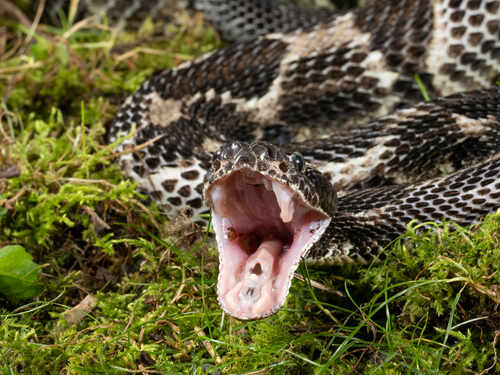
The timber rattlesnake, native to Tennessee, is notorious yet misunderstood. It is one of North America’s most venomous snakes, though it is generally docile and avoids human contact unless provoked.
Fatal bites are statistically rare—fewer than five per year in the United States, thanks to advances in medical care and public education. The difference here? The hiker’s direct interaction.
Wildlife experts across the board agree: timber rattlesnakes are more likely to freeze than to strike, unless handled or threatened. This case stands out because the fatality resulted from picking up the snake, not a random encounter on the trail.
Medical experts and the Centers for Disease Control consistently stress that the best defense is to keep your distance. Even so, allergic reactions, while uncommon, can rapidly turn a survivable bite into a deadly emergency.
This rare scenario is a reminder that nature’s rules are not negotiable and that even healthy adults can be vulnerable if they ignore basic safety practices.
Aftermath: Shifting Culture and Safety in the Outdoors
Following the incident, Tennessee state park authorities and emergency managers issued fresh advisories to hikers and outdoor lovers. Signs and social media posts urged visitors to never interact with wildlife and always carry first aid, especially in remote areas.
The news cycle, filled with statements from Director Griffith and the EMA, put a spotlight on the risks of summer recreation. The story reverberated in local communities, creating a ripple effect of heightened awareness and caution.
The tragedy spurred calls for updated emergency protocols and more visible education campaigns in state parks. In the short term, some visitors hesitated to return, wary of lurking dangers. Long-term, demand for first aid training and gear rose, and local officials committed to reviewing safety measures.
The incident also prompted broader discussions: should outdoor recreation authorities do more to enforce common sense, or does personal responsibility ultimately matter most?
Lessons from Experts: Respect, Preparedness, and the Limits of Control
Experts in wildlife biology and emergency medicine agree that the best way to survive snake country is to avoid unnecessary risks.
The Smithsonian’s National Zoo and the CDC both reinforce that timber rattlesnakes are rarely aggressive; their venom is potent but only life-threatening with mishandling or delayed medical care.
Experienced hikers and rescue teams stress the importance of immediate medical attention, carrying a communication device, and staying vigilant.
Some professionals argue for more robust public education—clearer signage, mandatory safety briefings, and better access to emergency resources in remote parks. Others point out that, no matter how many warnings are posted, the unpredictable element remains: human judgment.
The tension between personal freedom and public safety is at the heart of this debate. American conservative values highlight individual responsibility, and this tragedy makes an unambiguous case for respecting nature’s boundaries. The moment common sense is left behind, the odds tilt in nature’s favor.