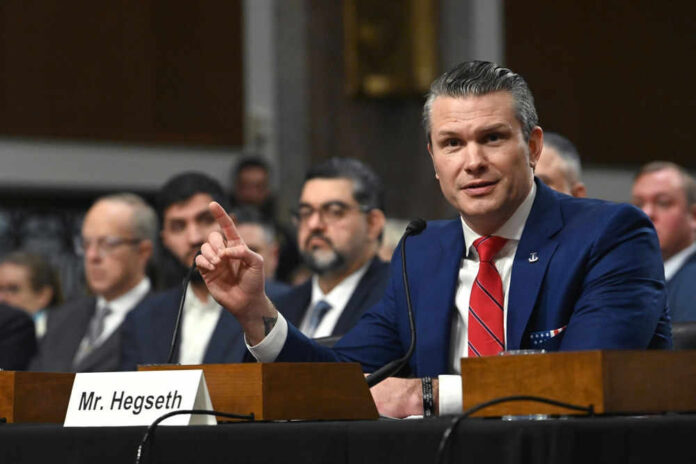
The Pentagon’s bold proposal to cut ties with Scouting America over its shift toward woke diversity initiatives signals a decisive stand against the erosion of traditional values, igniting debate about the future of America’s youth and military readiness.
Story Snapshot
- Defense Secretary Pete Hegseth moves to end a century-old partnership between the U.S. military and Scouting America due to concerns over DEI and “genderless” policies.
- The proposal would halt military support for the National Jamboree, impacting up to 20,000 Scouts and ending Scout access to military bases at home and abroad.
- Hegseth argues Scouting America has strayed from cultivating masculine values, a shift he says undermines military recruitment and national security.
- Internal Pentagon memos show division, with some leaders warning the move could harm recruitment and community engagement.
Hegseth Targets DEI and “Genderless” Ideology in Scouting America
Defense Secretary Pete Hegseth has drafted a memo, yet to be sent to Congress, proposing an end to the Pentagon’s longstanding partnership with Scouting America, formerly the Boy Scouts of America.
Hegseth’s main concern centers on Scouting America’s embrace of diversity, equity, and inclusion (DEI), accusing the group of promoting “gender confusion” and abandoning its mission to cultivate masculine values.
He contends that the organization, once heralded by President Theodore Roosevelt, no longer supports the development of American boys and instead fosters a “genderless” environment detrimental to traditional principles.
Hegseth’s proposal would pull military medical and logistical support from the National Jamboree—an event that draws up to 20,000 Scouts every four years in West Virginia—and ban Scout troops from meeting on military installations in the U.S. and abroad.
Congress has historically required the Pentagon to support the Jamboree, providing vehicles, ambulances, and medical teams at no cost.
However, Hegseth claims he can withhold this aid if it is considered “detrimental to national security,” arguing that diverting resources to the Jamboree undermines the military’s primary mission of defending U.S. territory.
Scouts ‘surprised and deeply saddened’ by Pete Hegseth’s proposal to cut ties https://t.co/6VWtxSuJTY
— The Hill (@thehill) November 25, 2025
Decades-Long Partnership in Jeopardy
Scouting America responded to the Pentagon’s leaked memo with disappointment, emphasizing the group’s more than 100-year partnership with the armed forces.
According to Scouting America, a significant share of military academy cadets and midshipmen are Scouts or Eagle Scouts, with as many as 20 percent reaching the highest Scout rank.
The organization also stressed its role in supporting military families and building future leaders grounded in integrity and responsibility. If enacted, Hegseth’s changes would sever key ties that have historically aided military recruitment and offered leadership development for America’s youth.
Ending military support would also strip Eagle Scouts who enlist of the advanced rank and higher pay they currently enjoy—a benefit that has incentivized service for generations.
President Trump, honorary leader of Scouting America, has long praised the group’s contributions, including during his 2017 speech at the Jamboree where he highlighted his Cabinet’s deep Scouting roots.
Despite Trump’s support, the Pentagon’s current direction reflects a sharp departure from past bipartisan cooperation.
Pentagon Divided Over Policy Shift
While Hegseth’s stance aligns with efforts to dismantle DEI programs and restore meritocratic standards within the military, not all Pentagon leaders are on board.
Navy Secretary John Phelan, for example, cautioned that banning Scouts from military installations would undercut recruitment and weaken community engagement.
He pointed out that nearly a third of Navy officers in training have a Scouting background.
These internal disagreements reflect broader tensions over balancing tradition and inclusion, with some officials warning that a total break with Scouting America may be “too restrictive” and harm the military’s talent pipeline.
Hegseth’s proposal follows a pattern of rolling back leftist policies and DEI initiatives across the Pentagon—moves that have drawn both support from conservatives seeking a return to traditional values and criticism from those who view them as overly rigid.
His critics allege the changes disproportionately affect female and minority officers and question the evidence behind claims of declining standards.
Nonetheless, the debate over Scouting America underscores a core challenge: how to preserve American values, foster leadership, and maintain military excellence in an era of rapidly shifting social norms.
Military, Youth, and the Future of American Leadership
The outcome of Hegseth’s proposal will have profound implications for both the military and America’s next generation of leaders. Scouting America maintains that its mission remains unchanged—cultivating integrity, responsibility, and service.
Yet, the Pentagon’s proposed break signals a broader rejection of progressive social agendas in favor of restoring clear, traditional standards.
The debate raises critical questions about what qualities should define America’s youth and its defenders, and whether the path forward lies in preserving time-honored partnerships or charting a new course aligned with conservative principles.