Federal officials say an intercepted, encrypted radio broadcast may have been the kind of “go” signal that turns a foreign war into a homeland threat overnight.
Story Snapshot
- U.S. authorities circulated a law-enforcement alert after intercepting an encoded radio transmission described as a potential “operational trigger” for Iranian “sleeper assets.”
- The alert followed the Feb. 28, 2026, U.S.-Israeli strikes that killed Iran’s Supreme Leader Ayatollah Ali Khamenei and other top leaders, prompting Iranian retaliation against U.S. facilities overseas.
- Officials said there is no specific, confirmed plot tied to the message, but the warning elevates concern about lone actors, proxy networks, and cyberattacks.
- Border and vetting failures remain a central vulnerability as agencies weigh the possibility of operatives blending into migrant flows and diaspora communities.
Intercepted Signal Raises New Homeland-War Questions
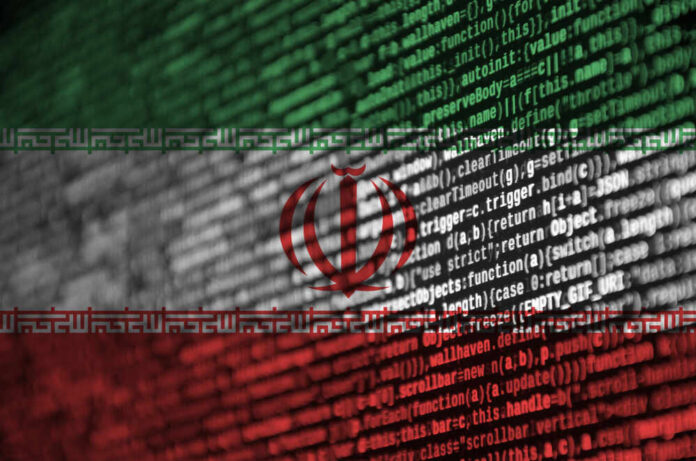
Federal authorities warned law enforcement after intercepting encrypted radio broadcasts assessed as likely Iranian in origin and potentially meant as an “operational trigger” for clandestine recipients inside the United States.
The message was reportedly relayed across multiple countries and encoded for covert audiences, a detail that shifted the concern from an abstract “retaliation risk” to a scenario police can’t ignore. Agencies emphasized uncertainty: the alert did not identify a specific target or confirmed plot.
The timing matters. The intercepted transmission surfaced shortly after Feb. 28 strikes conducted by the U.S. and Israel that killed Khamenei and other Iranian leaders and were followed by Iranian barrages against U.S. bases and facilities in the region.
That sequence creates the classic recipe for asymmetric retaliation: when a regime can’t win head-to-head, it looks for softer targets. The threat picture described to law enforcement includes sleeper cells, lone sympathizers, and cyber operations.
What Officials Say—and What They Don’t
Reports on the federal alert stressed a key limitation: investigators have not publicly confirmed the message’s origin with certainty, and officials said there is no specific, known threat tied to the broadcast.
That caveat is important for avoiding panic, but it also explains the posture shift—alerts like this are designed to widen the net and shorten response time.
Homeland Security leadership has publicly framed the effort as a coordination with intelligence and local partners to monitor and thwart threats.
U.S. officials have expressed mounting concern over the potential for Iranian "sleeper cells" on American soil following the interception of about 1,500 Iranian nationals at the southern border during the prior administration. https://t.co/S8NKY5H4VX
— NEWSMAX (@NEWSMAX) March 29, 2026
Local warnings have focused on the risk posed by lone actors and opportunists who do not require direct command-and-control to cause harm.
Large, law-abiding Iranian-American communities—especially in states like California—can become unfairly scrutinized when tensions spike.
At the same time, law enforcement has to plan around the ugly reality of modern terrorism: one motivated individual can target crowded venues, religious institutions, or infrastructure with minimal preparation.
Public reports also flagged heightened concern around high-profile events where the symbolic impact would be large.
Border Vulnerabilities Collide With a Retaliation Threat
Border security and screening failures are central to why this story resonates with conservatives who are already fed up with years of lax enforcement.
Public reporting cited more than 1,750 Iranian nationals who entered the U.S. unlawfully between 2021 and 2024, raising the concern that a hostile state could embed trained personnel among ordinary migrants.
Analysts caution that “tens” of sleeper-linked individuals is speculative, but the point is straightforward: weak verification standards create openings that counterterror teams then have to chase.
History shows Iran and its proxies have used indirect methods, including third-country facilitators, criminal networks, and partner militias.
Experts interviewed in recent coverage pointed to past precedent—such as the 2011 plot targeting the Saudi ambassador and Iran’s longstanding relationships with proxy organizations—as context for why investigators take these warnings seriously.
The operational model is not always “Iranian nationals acting openly.” It can be non-Iranian proxies, recruited supporters, or criminals paid to scout targets, move money, or conduct surveillance.
Conservative Take: Security, Liberty, and No More Blank Checks
This moment lands in a politically combustible place for the Trump coalition. The administration is now managing a war with Iran while a sizeable slice of MAGA voters remains wary of open-ended foreign entanglements and skeptical of “regime change” logic that burned the country for decades.
The same voters also expect the federal government to do its basic job: enforce the border, vet entrants, and defend the homeland without turning every new threat into an excuse for unconstitutional surveillance of ordinary Americans.
Iranian Sleeper Cell Concerns Grow After Border Intercepts https://t.co/rNoH7cm6C5
— Brad Bowman (@kurganw) March 30, 2026
Based on what’s been reported so far, the strongest, most defensible conclusion is narrow: officials intercepted a suspicious, encoded broadcast and judged it serious enough to warn law enforcement, while also stating there is no confirmed, specific plot.
That should drive two priorities conservatives can unite around—tight, constitutional policing focused on credible leads, and aggressive border and vetting reforms that reduce the need for sweeping domestic measures later.
Limited public detail remains a constraint, and Americans deserve clearer answers as the situation develops.
Sources:
Iran’s threat on U.S. soil: Sleeper cells, lone wolves, cyberattacks
After U.S.-Israel strike kills Iranian leaders, FBI shifts to high alert at home
US intercepts encrypted message possibly linked to Iranian sleeper cells: Report
Iran activating sleeper cells alert
Escalating Risks of Iranian Retaliation on American Soil Following Epic Fury Campaign
Iranian Sleeper Cells United States Threat Preparedness
Very grave threat of Iranian sleeper cells in US, experts warn