Iran attacked three commercial ships in the Strait of Hormuz on July 7, 2026, and the United States hit back with strikes on more than 80 Iranian military targets the same day — then reimposed its full naval blockade of Iranian ports.
Story Snapshot
- Iran’s Islamic Revolutionary Guard Corps fired missiles at three commercial vessels near the Strait of Hormuz, including a Saudi-flagged oil tanker and a liquefied natural gas carrier.
- U.S. Central Command struck over 80 Iranian targets on July 7, including anti-ship missile sites and more than 60 Islamic Revolutionary Guard Corps small boats.
- The U.S. reimposed its naval blockade on Iranian ports after calling the ship attacks a clear violation of an existing ceasefire agreement.
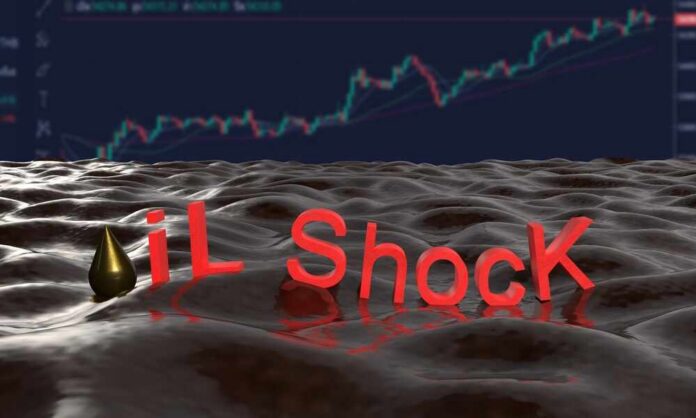
- Oil prices spiked roughly 10% in a single day — the largest jump since the conflict began in February 2026.
- Kuwait reported fresh Iranian attacks on commercial vessels the very next day, showing the violence did not stop after U.S. strikes.
Iran Fired Missiles at Three Ships in One Night
Just before midnight on July 7, Iran’s Islamic Revolutionary Guard Corps fired missiles at commercial ships transiting one of the world’s most critical waterways. Two ships suffered significant damage. A British military maritime authority confirmed that a tanker off the coast of Oman caught fire after being struck by an Iranian projectile.
Reuters, citing two separate sources, reported that a Saudi-flagged crude oil tanker was also hit when the Islamic Revolutionary Guard Corps fired missiles. No crew members were killed in the initial attacks, but the threat to global shipping was immediate and undeniable.
Iran’s state media offered a partial explanation, claiming one liquefied natural gas tanker was struck after ignoring navigation warnings. Tehran did not explicitly claim responsibility for all three attacks. That matters, but only slightly.
Iran’s own justification admits its forces fired on a commercial vessel. Claiming the ship “ignored warnings” is not a denial — it is a confession dressed up as a grievance.
The U.S. Struck Back Hard and Fast
U.S. Central Command did not wait. American forces hit over 80 Iranian military targets on July 7, including anti-ship missile capabilities and more than 60 Islamic Revolutionary Guard Corps small boats.
By July 11, the total number of Iranian targets struck had grown to approximately 140, including missile and drone launch sites and naval assets. Central Command stated directly that the strikes aimed to reduce Iran’s ability to freely attack civilian mariners and commercial ships transiting the region.
President Trump says military strikes against Iran will continue "until I say it's enough."
In an exclusive interview with FOX News chief foreign correspondent @TreyYingst on @SpecialReport, Trump was asked whether his objectives in Iran would require U.S. ground forces.
"The… pic.twitter.com/rlvHFgkvZj
— Fox News (@FoxNews) July 14, 2026
The U.S. also reimposed its naval blockade on Iranian ports. Central Command called Iran’s ship attacks a “significant breach” of an existing memorandum of understanding and a clear violation of the ceasefire.
Iran’s foreign minister fired back, saying Tehran does not recognize the Islamabad memorandum of understanding at all. That claim is worth examining. If Iran never recognized the agreement, why did it take months of attacks to say so publicly? The timing suggests convenience, not principle.
This Is Not a New Pattern — It Is an Accelerating One
The July attacks did not come out of nowhere. Since the Iran conflict began in February 2026, 22 of 279 ships attempting to transit the Strait of Hormuz have been attacked — roughly one in every 13 vessels.
The International Maritime Organization confirmed nine attacks in a single week back in March 2026, resulting in seven deaths. Ship-tracking data shows the attacks are random by design, targeting vessels regardless of flag, nationality, or cargo type, with the clear goal of disrupting global commerce rather than hitting specific enemies.
The Economic Damage Is Already Real
The oil market reacted instantly. International crude prices jumped roughly 10% in a single day after the July 7 attacks and the U.S. response — the largest single-day spike since the conflict started. About 20% of the world’s traded oil moves through the Strait of Hormuz.
When that corridor becomes a shooting gallery, every country that imports energy pays a price. Regional allies are also taking hits. Kuwait reported Iranian attacks on commercial vessels the day after U.S. strikes, and Bahrain has faced similar pressure.
Trump reviewing plans for devastating attacks against Iran beyond Hormuz strikes
——
US President Donald Trump convened a Situation Room meeting on Tuesday to consider a far broader offensive against Iran, with plans reportedly extending beyond current strikes around the Strait of… pic.twitter.com/8Z0ANeXEet— The Cradle (@TheCradleMedia) July 15, 2026
Critics in mainstream media have questioned the legality of a proposed 20% transit toll the U.S. floated for ships passing through the strait. An international shipping authority called it illegal under maritime law.
That criticism has merit on the toll specifically — international waterways do not work like toll roads. But conflating a disputed toll proposal with Iran’s documented missile strikes on civilian ships is a false equivalence that serious analysts should avoid.
What Comes Next Depends on Whether Iran Blinks
Iran’s deputy foreign minister said U.S. military pressure will not force Tehran to negotiate. That is a standard opening position, not a final answer. History shows that sustained military and economic pressure does eventually change calculations, even for governments that publicly reject the premise.
The harder question is whether the U.S. has a clear end goal beyond stopping the attacks. Degrading Iran’s anti-ship missile capability buys time. It does not resolve the underlying standoff. The next move — from both sides — will define whether this stays a maritime conflict or becomes something far larger.
Sources:
cnn.com, aljazeera.com, youtube.com, reuters.com, cbc.ca, bbc.com