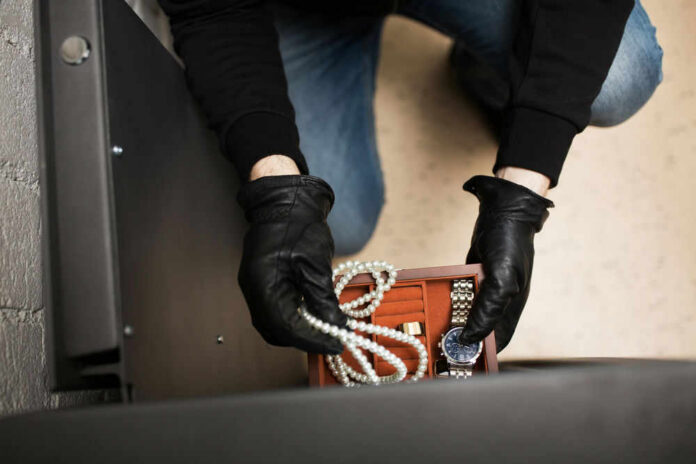
Four masked thieves walked into a French museum before dawn and walked out with millions in crystal jewelry, exposing just how fragile Europe’s cultural treasures have become.
Story Snapshot
- Masked gang smashed six cases at the Lalique Museum and stole about 20 crystal jewelry pieces.
- The estimated loss is nearly four million euros, and the museum shut down for days after the raid.
- A delayed alarm response let the thieves vanish before police arrived, despite the system triggering.
- The Lalique burglary echoes the 2025 Louvre crown jewels heist, raising hard questions about French museum security.
An early-morning smash and grab that hit a quiet village
The Lalique Museum sits in Wingen-sur-Moder, a small town in northeastern France better known for glass art than crime. Just after 5:30 a.m. on a Sunday, a gang of masked thieves forced a door, headed straight for the jewelry room, and smashed open six display cases in a focused raid.
This was not random vandalism. Whoever planned it knew where the most valuable pieces were and moved fast before staff arrived for the day.
Burglars stole millions of dollars worth of jewelry from the museum of French luxury glassmaker Lalique in a daring early-morning raid on Sunday, just months after a stunning gem heist at the Louvre in Paris. https://t.co/VJHhPpSIYE
— CBS News (@CBSNews) July 6, 2026
Sources close to the investigation say that around 20 pieces of crystal jewelry were taken, with the loss likely close to 4 million euros. These were Lalique creations, prized for design rather than gems, which means they cannot simply be melted down like gold or platinum. That detail matters.
It suggests the thieves may have a buyer who wants specific artworks rather than raw materials. For investigators, that points toward a niche black market in luxury art and design, not a casual local fence.
Where the security failed and why it should worry people
The museum’s alarm system did activate, but the private security company did not move quickly enough to treat the alert as a real break-in. By the time the situation was verified and police were called, the thieves were gone.
This is a classic weak link: the technology functioned; the human response did not. For those who focus on responsibility and competence, that gap looks less like “bad luck” and more like avoidable failure, especially in a country that just watched the Louvre lose its crown jewels.
Investigators are now reviewing closed-circuit television footage from the museum to piece together the timeline and methods used. So far, there is no public forensic detail about tools, DNA, or clear suspect identities. That lack of transparency frustrates citizens who expect government and institutions to own their mistakes.
When people hear “another daring heist” and then see vague answers, trust erodes and conspiracy stories about organized crime networks or inside help start to spread online.
Another link in a chain of French museum failures
This burglary did not happen in a vacuum. In October 2025, thieves at the Louvre Museum used a vehicle-mounted lift, power tools, and a balcony access point to steal pieces of the French Crown Jewels worth about eighty-eight million euros in under eight minutes.
A preliminary security review found that one out of three rooms in the affected area had no camera coverage, and one critical camera was misaligned. The French culture minister later called the Louvre’s security “totally obsolete” and ordered a full audit.
Art-crime analysts describe a pattern since that Louvre heist: thieves target museums in early morning or regular hours, exploit known blind spots, and focus on high-value items that are hard to track once removed.
Recent cases include porcelain works classified as national treasures, gold nuggets from the natural history museum, and now Lalique jewelry in crystal form.
The common thread is simple: valuable collections housed in grand-looking buildings that rely on security systems and procedures that lag behind modern threats.
Media spectacle versus sober accountability
News outlets and social media posts love phrases like “daring early-morning raid” and “brazen heist,” especially when talking about the Lalique case.
That language grabs attention but also turns serious security failures into entertainment. If citizens see these events mainly as exciting stories, they may not push officials to pursue basic reforms such as upgraded alarms, faster-response contracts, or clear standards for camera coverage and staffing.
🚨 Masked thieves steal 27 crystal jewelry pieces worth €4.5M ($5.1M) from France’s Musée Lalique. The smash-and-grab raid lasted just 11 minutes, marking the 4th major French museum heist in 10 months. Alarms sounded, but security failed to alert police. #Heist #ArtTheft pic.twitter.com/6euU8szSgq
— European Union club (@TheEuropeanUC) July 7, 2026
There is still no public counter-narrative claiming the Lalique burglary is fake or misreported. All major accounts agree on the core facts: the forced entry, the smashed cases, the museum closure, and the scale of the loss.
The real debate is about competence. After the Louvre embarrassment and this Lalique raid, it is fair to ask why taxpayers fund institutions that guard priceless heritage with systems that fail in seven minutes at the Louvre and a few minutes at a rural museum. That question will not go away until officials deliver more than press releases and vague promises.
Sources:
cbsnews.com, koreaherald.com, artdependence.com, scmp.com, art-crime.blogspot.com, rapaport.com