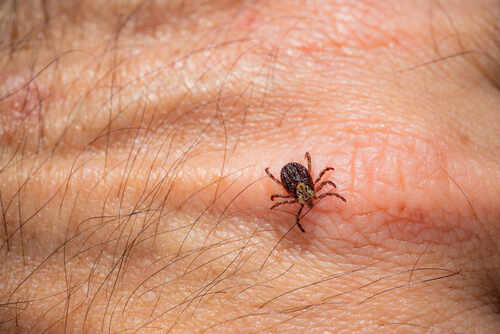
Tick season is already sending a louder signal than usual, and the numbers explain why people are paying attention.
Quick Take
- Emergency room visits for tick bites are running higher than usual in much of the United States, according to the Centers for Disease Control and Prevention (CDC).
- Weekly visits reached 71 per 100,000 in April 2026, more than double the usual rate of about 30 for that time of year.
- The Northeast is seeing the heaviest pressure, and the CDC says most regions outside the South Central United States are at their highest level for this time of year since 2017.
- The CDC data are still preliminary, so the strongest claim is not that the season is finished, but that the season has started hot and may be headed for a rough stretch.
The Data Behind the Alarm
The CDC’s Tick Bite Data Tracker shows a clear rise in emergency room visits related to tick bites, and media reports have echoed this trend.
In April 2026, the rate hit 71 per 100,000 emergency room visits, compared with an average of about 30 for that time of year. That is why so many headlines are calling this one of the worst starts to a tick season in years.
The strongest regional warning comes from the Northeast, where rates have climbed sharply and are far above those in other parts of the country. The CDC also says that, in all regions except the South Central United States, weekly rates are the highest for this time of year since 2017. That does not prove the entire season will set a final record, but it does show the early pace is unusually high.
Why Doctors and Public Health Officials Are Watching Closely
Tick bites matter because they can lead to Lyme disease and other illnesses that send people from a walk in the woods to a hospital chair.
The CDC estimates that about 476,000 Americans receive treatment for Lyme disease each year, which lends these early-season spikes real public health significance. For families, the issue is not just a nuisance. It is a reminder that a small bite can quickly become a bigger medical problem.
Tick season is expected to be worse than normal as ER visits rise in much of the U.S. https://t.co/EH7dln8g2E
— CBS News (@CBSNews) July 3, 2026
Some local experts say the rise may reflect more than just an increase in ticks. Goudarz Molaei of the Connecticut Agricultural Experiment Station told Axios that the season may have begun with delayed emergence after a cold winter, and he urged caution against reading too much into the early numbers. That matters because the CDC also labels the 2026 figures as preliminary, which means the picture could shift as more data comes in.
What Makes This Season Feel Different
The story is not only about raw numbers. It is also about timing. Tick-related emergency room visits usually peak in May, which makes the April surge especially important because it occurred before the normal high point.
If the trend continues to rise into late spring and early summer, the season could look far worse than the early reports already suggest. If it cools off, the headlines may age faster than the ticks do.
🔴 CDC reports highest tick-bite ER visits since 2017 as season worsens
The Centers for Disease Control and Prevention logged the highest rate of emergency room visits from tick bites since 2017 across most of the country this summer.
Rebecca Osborn, epidemiologist at the… pic.twitter.com/QJiaeAj2ZL— NewsTongue (@NewsTongueX) July 2, 2026
Public health messaging has also added fuel to the story. The CDC has pushed prevention advice, and local outlets have repeated the warning in a steady stream of coverage.
That kind of attention helps people protect themselves, but it can also create a narrow frame where the public hears urgency before it hears uncertainty. A sober reading of the data says both are true at once.
What the Public Should Make of It
The response is not panic. It is caution. The data show a real increase, especially in the Northeast, but they do not yet prove a final season-long verdict.
The strongest conservative instinct here is simple: trust the numbers that exist, but do not pretend preliminary numbers are finished facts. That is how you stay grounded when public health headlines start running ahead of the calendar.
The practical advice remains the same. Check for ticks after time outdoors, use repellent, and act quickly if symptoms appear. The current surge makes that advice more urgent, not less.
If the next round of CDC data stays high, this will look like a serious national season. If it drops, the early alarm will still have served one useful purpose: it got people to look down before they looked away.
Sources:
cbsnews.com, tickmitt.com, cdc.gov, abcnews.com, axios.com, facebook.com