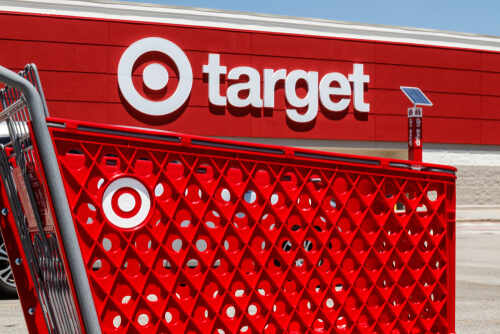
Target mandates forced smiles and scripted interactions from employees in a desperate attempt to mask declining sales with corporate-controlled customer service theater.
Story Snapshot
- Target implements a mandatory “10-4 program” requiring employees to smile and greet customers within 10 feet.
- The company is struggling with a 1.9% comparable sales decline and a 3.2% in-store sales drop in Q2 2025.
- New CEO prioritizes artificial customer experience over addressing core business problems.
- $4 billion investment in stores and technology fails to restore “Target magic” lost to poor management.
Corporate Desperation Masquerading as Customer Service
Target’s new “10-4 program” forces employees to perform scripted interactions with customers, requiring smiles, eye contact, and mandatory greetings for anyone within 10 feet.
Workers must escalate to asking customers about their days or offering help when shoppers come within 4 feet. This heavy-handed approach treats employees like robots while attempting to manufacture genuine customer connections through corporate mandates that mirror the tactics of Walmart and Disney.
Target mandates employees smile and make small talk in bid to lift holiday sales https://t.co/tutf3eim0y pic.twitter.com/erVW8n3hn1
— New York Post (@nypost) November 9, 2025
Sales Decline Drives Artificial Solutions
The Minneapolis retailer’s customer service theater comes amid troubling financial performance that reveals deeper business problems. Target reported comparable sales fell 1.9% year over year in Q2 2025, with in-store sales plummeting 3.2%.
Only digital sales grew by 4.3%, suggesting that customers increasingly prefer to avoid Target’s physical locations. These numbers expose management’s failure to address fundamental issues that drive customers away from their stores.
Leadership Focused on Surface-Level Fixes
Incoming CEO Michael Fiddelke has made “consistent guest experience” his top priority rather than addressing core operational failures. Chief Stores Officer Adrienne Costanzo told Bloomberg the company seeks to “increase connection during the most important time of the year.”
This leadership approach prioritizes cosmetic improvements over substantive business reforms that could genuinely attract customers back to Target locations.
Massive Investment Fails to Restore Brand Appeal
Target executives pledged $4 billion this year for new stores, remodels, technology upgrades, and supply chain improvements to restore what analysts call “the Target magic.”
Despite this enormous spending, the company still resorts to mandating employee behavior to manufacture positive shopping experiences. The investment strategy suggests management recognizes serious problems but lacks effective solutions beyond throwing money at symptoms rather than causes.