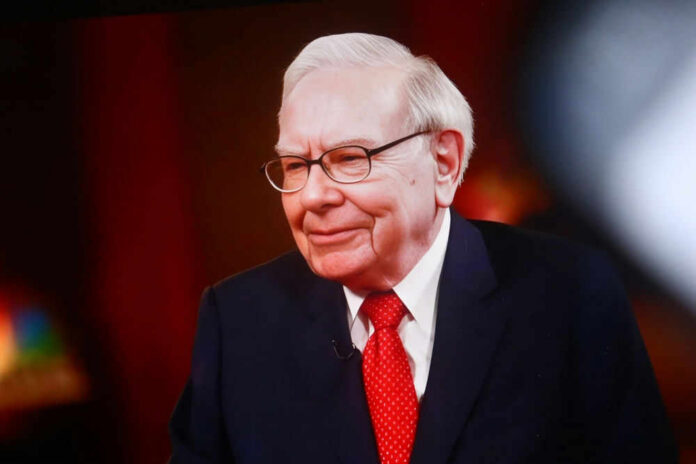
Warren Buffett just handed off Berkshire Hathaway’s chair after more than half a century—and kept the culture on a tight, deliberate leash.
Story Snapshot
- Buffett stepped down as Berkshire Hathaway chairman and became chairman emeritus.
- Howard G. Buffett became non-executive chairman; Greg Abel remains chief executive.
- The staged handoff aims to preserve Berkshire’s culture and capital discipline.
- Buffett remains on the board as a director and adviser.
What Changed At The Top, And Why It Matters
Berkshire Hathaway confirmed that Warren Buffett has stepped down as chairman and is now chairman emeritus. The change is effective immediately. Buffett remains on the board, but the gavel moves to his son, Howard G. Buffett, as non-executive chairman.
Greg Abel continues as chief executive, running operations and capital allocation day to day. This structure is not a surprise. Berkshire has signaled a split between chair and chief executive for years to reduce key-person risk and steady investor confidence.
Buffett framed the timing as the right moment to finish a long plan, not start a new one. The move locks in a board leader who defends Berkshire’s norms—low overhead, trust with subsidiaries, and patience on deals—while leaving execution with managers.
That fits Berkshire’s design. The company has long aimed to divide board leadership from management control, so no single role carries all weight. Research on Berkshire’s plan describes that separation as a feature, not a patch.
Warren Buffett stepping down as chairman of Berkshire Hathaway: 'Father Time always wins' https://t.co/dVEq7iNXDL
— CNBC (@CNBC) September 18, 2026
How The Succession Was Built To Stick
The handoff arrived in stages to avoid drama. First, Berkshire designated Greg Abel as chief executive successor. Next, it placed capital allocation across a small, known group. Now, it sets Howard Buffett as chair to guard the culture while keeping the board independent.
The sequence quiets the market’s main fear after a founder era: a scramble. Berkshire’s message is simple—continuity by design, not by luck. Reuters reported the formal step to chairman emeritus and the new chair as part of that plan.
Berkshire’s governance aims to keep two things steady: how it chooses leaders and how it invests. The chair protects the tone and the trust model, which keep good managers in place.
The chief executive decides where cash goes, when to pass on deals, and when to buy whole companies. Scholars have flagged Berkshire’s choice to split the chair and chief executive roles as a guardrail that limits personality risk and forces discipline in the boardroom and the C-suite.
What Stays The Same For Owners And Operators
Shareholders can expect the same slow-breath investing tempo. Abel has sat close to the levers for years. He knows the rulebook: buy quality businesses at fair prices, keep debt low, and let managers run.
The subsidiaries—insurance, energy, rail, manufacturing, and retail—still report to a center that does not fuss over every line item. The chair shift does not change how underwriting targets a profit first or how the cash pile waits for a fat pitch. That is the Berkshire promise, post-founder.
Board oversight also looks familiar. A non-executive chair sets agendas, backs the lead independent director, and pressures test big decisions. A chair who knows the culture can spot drift early.
That is the point of placing Howard Buffett in the role—continuity over reinvention. The company’s own disclosures and major outlets stress that Buffett remains a director and adviser as chairman emeritus, which helps transfer judgment without freezing progress.
The Case For This Design
Sound governance respects succession, separates powers, and protects owners from hero risk. Berkshire’s move checks those boxes. The plan keeps authority close to operations, not to fame. It rewards patience, thrift, and clarity.
Warren Buffett stepped down as Berkshire Hathaway chairman at 96, ending 56 years in the role. He's now chairman emeritus. Son Howard takes the chair, Greg Abel stays CEO.
Buffett called it: Father Time always wins.
Succession planned this carefully isn't retirement. It's…
— The Nomadic Goat (@thenomadicgoat) September 20, 2026
Investors will still judge results, not rhetoric. Markets care if insurance floats grow at a profit, if energy earns fair returns on capital, and if buybacks happen only below intrinsic value. That scoreboard will tell the story.
For now, Berkshire has answered the question that haunts most founder firms: what happens when the legend steps back? The answer is structure, not theater. Buffett exits the chair, not the stage, and leaves a system built to outlast him.
Sources:
wsj.com, nbcnews.com, bbc.com, nypost.com