Control of the Strait of Hormuz has turned into a test of force, and the costs are spreading fast.
Quick Take
- The United States says Iran attacked three commercial vessels, then struck Iranian targets in response.
- Iran rejects the blame and says the United States is breaking the ceasefire and pushing false claims.
- President Donald Trump says Washington is “reinstating” a blockade and “controlling the straits,” raising the stakes sharply.
- Both sides now claim the other violated the truce, while shipping traffic through the strait has dropped hard.
Washington Says It Is Answering Iranian Attacks
The latest round of strikes began after the United States said Iran attacked three commercial ships transiting the Strait of Hormuz. U.S. Central Command said its forces hit more than 80 targets in Iran as an “immediate response” to those attacks. The military said the targets included air defenses, coastal radar, and other assets tied to Iran’s ability to threaten shipping.
US and Iranian forces exchanged heavy missile and drone assaults, with Tehran targeting US facilities in states across the Gulf and saying it had again closed the vital Strait of Hormuz, sending oil prices higher https://t.co/VDrfSYhSGd
— Reuters (@Reuters) July 13, 2026
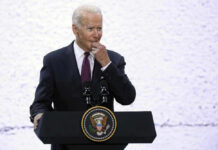
Trump has wrapped the operation in the language of control, not just punishment. He said Washington was “reinstating” a blockade on Iran in the strait and that the United States would “knock out all of their offensive capability”. That matters because the Strait of Hormuz is not a side issue. It is a global chokepoint, and whoever shapes its rules can squeeze oil flows and political pressure at the same time.
Tehran’s Denial and Counterclaim
Iran’s answer is simple and sharp: the U.S. story is false. The Iranian Foreign Ministry has rejected U.S. accusations as baseless, and Tehran says Washington is violating the ceasefire instead. Iran also argues that some vessels were in an unauthorized route or that the attacks were reprisals for U.S. pressure, not unprovoked aggression.
That denial is important, but it does not settle the matter. The reporting in the record shows a fight over attribution, not a clean public proof chain. The U.S. side points to official military statements and the timing of the strikes. Iran points to its own diplomatic claims and a competing story about the cause of the attacks. The gap between those positions is the real battleground.
A Strait That Shapes the Entire Middle East
This conflict has moved beyond the waterway itself. Reporting says Iran retaliated across the Middle East after the U.S. strikes, widening the fight and making the region feel smaller and more fragile. That is why the dispute over a single shipping lane matters so much. The strait is a pressure valve for oil, trade, and military signaling all at once, which makes every strike look larger than it is on paper.
🇺🇲🇮🇷Ex-CENTCOM Chief Urges US to Seize Iran's Kharg Island – Key to 90% of Its Oil Exports
Retired Gen. Frank McKenzie, former head of US Central Command, said on CBS's Face the Nation that the United States should consider seizing Iran's Kharg Island.
The small island handles… pic.twitter.com/YqhC6qqavH
— Global Surveillance (@Globalsurv) July 14, 2026
Commercial shipping has already paid the price. One report says traffic through the strait fell from 41 ships to 7 after the latest strikes. That kind of drop is not just a chart point.
It means insurers, captains, and national governments start making risk decisions that can echo far beyond Iran and the United States. Once that happens, even a “limited” strike can rattle energy markets and raise freight costs almost overnight.
What Can Be Said With Confidence
The strongest fact pattern is this: the United States launched retaliatory strikes, Iran denied responsibility, and both sides said the other broke the truce. The weaker part is the evidence chain behind the specific tanker attacks, because the public record here leans heavily on official claims rather than independent forensic proof. That leaves room for dispute, but not for confusion about the size of the escalation.
What stands out most is the speed at which a shipping dispute became a regional contest for leverage. Trump’s language signals that Washington wants deterrence and control.
Iran’s response signals that it will not accept blame without a fight. The strait sits in the middle, and so does the world economy. Every new strike now carries two messages: one aimed at Tehran, and one aimed at everyone watching the tankers move.
Sources:
apnews.com, bbc.com, thehill.com, reuters.com, youtube.com, washingtonpost.com, npr.org, aljazeera.com, en.wikipedia.org, x.com, cnbc.com, cfr.org