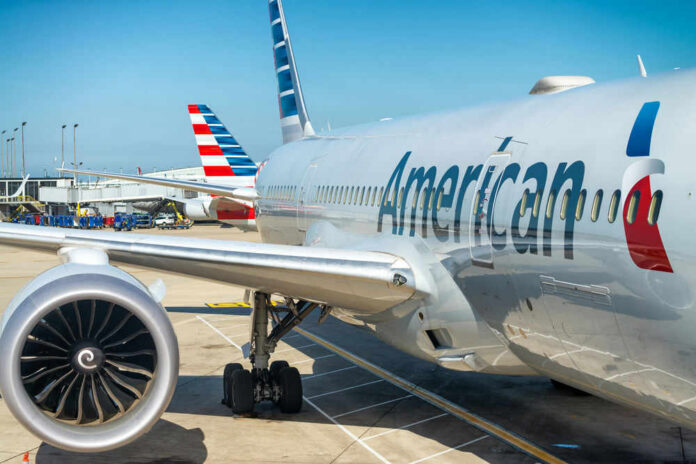
An American Airlines jet flying over the middle of the Atlantic Ocean had to turn around because a strange smell made most of its flight attendants sick.
Quick Take
- American Airlines Flight 719 diverted from Rome to Dublin on July 25 after a reported odor onboard.
- The airline says the smell came from an oven in the galley, according to its own statement.
- Six of the nine flight attendants reported feeling unwell during the transatlantic trip.
- All passengers and crew were checked by medics in Dublin and later released.
What Happened On Flight 719
Flight 719 left Rome’s Fiumicino Airport headed for Philadelphia on July 25. About three hours into the trip, while cruising near 39,000 feet over the North Atlantic, something started smelling wrong in the cabin. The pilots decided not to risk finishing the crossing. They turned the Boeing 787-9 toward Dublin instead of pushing on toward Philadelphia.
American Airlines says the odor came from an oven onboard. A spokesperson gave that explanation directly to reporters, and the airline repeated it in its own statement about the diversion. That’s a specific, named cause from the company itself, not a vague guess. For now, it’s the only explanation on record.
An American Airlines flight from Rome to Philadelphia diverted to Dublin after a mysterious odor onboard caused six flight attendants to become ill. https://t.co/H2Lm6Ag3nK
— PennLive.com (@PennLive) July 29, 2026
Crew Members Got Sick Mid-Flight
Six of the nine flight attendants working the flight reported feeling unwell while the smell was in the air. That’s a majority of the working crew, which is a serious number for any airline to deal with mid-ocean.
Passengers were reportedly checked too. After landing safely in Dublin, medical staff evaluated the crew and at least one passenger before everyone was released.
The plane, a Boeing 787-9 with the tail number N840AN, carried 281 passengers and 12 crew members that day. It was flying at high altitude, hundreds of miles from the nearest airport, when the decision to divert was made. That distance matters.
Diverting over open ocean isn’t a small decision; it means picking the nearest safe airport and hoping the problem doesn’t get worse before landing.
Why The Oven Explanation Deserves A Close Look
American Airlines gave a fast, clear answer: an oven caused the smell. Reporters got that same line from a company spokesperson speaking to a business news outlet. That’s consistent messaging from the airline, and consistency counts for something.
Skeptics can note that the technical investigation into the smell’s exact source was still being described as ongoing in some outlet accounts, which is normal for these events. Airlines often name a likely cause quickly, then confirm it later with maintenance records.
That gap between an initial explanation and a confirmed one isn’t unique to this flight. American Airlines has been down this road before. In one past incident, the airline first blamed a spilled cleaning product for an odor that sickened crew, only to later admit its own maintenance team found that explanation was wrong.
Another earlier case involved a “chemical spillage” claim on a different transatlantic flight that also ended with a Dublin diversion. History like that is a reasonable reason for the public to want confirmation, not just a first statement.
None of that history proves the oven claim about Flight 719 is wrong. There’s no maintenance report, no regulator finding, and no galley inspection record in the public eye contradicting it.
Right now, the airline’s explanation stands unchallenged by any documented evidence. This says give credit where it’s due: American Airlines answered quickly, grounded the plane safely, and got medical help to everyone who needed it.
What Passengers Actually Experienced
For the 281 people onboard, the diversion meant an unplanned night in Ireland instead of dinner in Philadelphia. Airline diversions like this always come with real inconvenience: missed connections, hotel scrambles, and worried families back home.
American Airlines has faced plenty of public frustration this year over delays and cancellations on other flights, and travelers understandably grow wary fast when something goes wrong at cruising altitude.
Safety systems worked as designed here. Pilots caught a problem, chose caution over pushing through, and landed the aircraft without incident. Crew members got checked out. That’s the outcome every passenger should expect from a well-run airline, whatever the eventual technical finding on the oven turns out to be.
Sources:
foxbusiness.com, usatoday.com, nypost.com, bbc.co.uk, aeroinside.com, aviation.direct