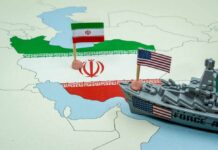
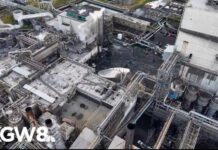
Iran’s missile strikes on critical desalination plants and oil facilities threaten to plunge America into painful gas price spikes, hitting working families hardest after years of Biden-era inflation.
Story Snapshot
- Crude oil prices surged past $130 per barrel as Iran targets GCC energy and water infrastructure in retaliation for U.S.-Israeli strikes.
- 20% of global oil and LNG supply at risk through Strait of Hormuz disruptions, with 150 ships anchored and shipping rerouted around Africa.
- President Trump’s early military action against Iranian nuclear sites triggered this escalation, validating a strong stance against Tehran’s aggression.
- GCC nations face water crises with days of reserves left; force majeure declarations paralyze energy exports.
- U.S. shale producers stand to benefit from higher prices, boosting American energy independence.
Timeline of Escalation
On February 28, 2026, a joint U.S.-Israeli operation struck Iranian military facilities and nuclear research sites. Iran responded by declaring the Strait of Hormuz a war zone. By March 5, major shipping lines rerouted around the Cape of Good Hope.
Coordinated Iranian missile and drone strikes hit Bahrain, UAE, and Oman on March 9, targeting the Hidd desalination complex, Vopak Horizon Fujairah terminal, and other key sites. As of March 15, disruptions continue with 150 ships anchored in the strait.
Oil prices are nearing $100 as WTI sits at $99.30 and Brent at $99.29, with the Middle East conflict driving the surge. This could be a dangerous level for the global economy. pic.twitter.com/Tw0LGqoHnT
— Alessandro Bazzoni (@Alessandro7596) March 14, 2026
Infrastructure Under Direct Attack
Iranian loitering munitions struck Bahrain’s Hidd Independent Water and Power Project, which produces 90 million imperial gallons daily, alongside Bapco Energies’ Sitra refinery. UAE’s Vopak Horizon Fujairah terminal sustained severe damage, while Jebel Ali port suspended operations after fires from aerial interceptions.
Qatar’s Ras Laffan LNG facility, the world’s largest, was hit, prompting QatarEnergy to declare force majeure. Saudi Arabia closed the Ras Tanura refinery after drone interceptions, cutting its capacity by 550,000 barrels per day. Kuwait and Iraq facilities also suspended output.
Market Shock and Economic Fallout
Crude oil prices breached $130 per barrel, reflecting market fears of near-total Strait of Hormuz blockage. This handles 20% of global oil and LNG flows. GCC nations hold only days of potable water reserves, demanding emergency modular desalination units.
Shipping insurance markets froze, with widespread force majeure declarations preventing contract fulfillment. Global consumers face inflationary shocks, echoing Biden’s fiscal mismanagement that conservatives warned against. Port suspensions at Jebel Ali exacerbate supply chain chaos.
Alternative suppliers like U.S. shale, Australia, and Malaysia struggle to compensate quickly for LNG shortfalls to Asia and Europe, which could last weeks. Higher prices accelerate investment in North American energy, rewarding Trump’s push for domestic production over globalist dependencies.
Oil poised for further gains as Middle East conflict threatens export facilitieshttps://t.co/dYVAyWzsNk
— MikeCaymanTrades (@MikeJTrades) March 15, 2026
Strategic Shifts and U.S. Interests
This conflict breaks historical red lines protecting civilian water and power infrastructure, introducing “total war” tactics focused on economic leverage. Iran’s pivot from blockades to destruction exploits GCC vulnerabilities. U.S. and Israel hold military edge but struggle defending dispersed sites.
Experts warn of escalation drawing in Saudi Arabia alongside American forces. President Trump’s decisive strike disrupted Iran’s nuclear ambitions, but Tehran now wields asymmetric power through energy chaos.
Beneficiaries include U.S. shale operators gaining from price surges, strengthening energy security conservatives champion. Renewables prove vulnerable too, as Oman’s battery storage and Ibri III projects face threats. Long-term, this underscores need for resilient American supply chains free from Middle East volatility.
Sources:
WUTC: Middle East conflicts largely avoided energy facilities in the past, not in this war
Modern Diplomacy: Middle East strikes trigger widespread oil and gas shutdowns
World Economic Forum: US trade deficit – international trade stories March 2026
Egypt Oil & Gas: Middle East conflict disrupts oil and gas flows, heightening global energy fears