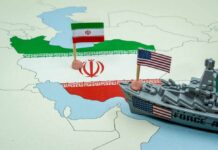
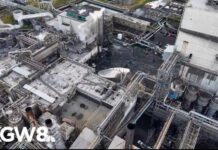
Iran’s Revolutionary Guard has declared critical energy facilities across Saudi Arabia, the UAE, and Qatar as “legitimate targets” following an Israeli strike, pushing oil prices past $107 per barrel and threatening American families with skyrocketing gas costs.
Story Snapshot
- IRGC issued evacuation warnings for six Gulf oil and gas facilities after Israel struck Iran’s South Pars gas processing plant on March 18, 2026
- Brent crude oil surged to $109.75 per barrel, up over 40% since the US-Israel war against Iran began on February 28
- Named targets include Saudi Arabia’s Samref Refinery and Jubail Petrochemical Complex, the UAE’s Al Hosn Gas Field, and three Qatar facilities
- The escalation follows Iran’s attack on a UAE gas field on Monday and compounds the effective closure of the Strait of Hormuz
Iranian Threats Target Regional Energy Infrastructure
Iran’s Islamic Revolutionary Guard Corps issued specific evacuation warnings for oil and gas facilities in Saudi Arabia, UAE, and Qatar on March 18, declaring them immediate retaliation targets. The IRGC named the Samref Refinery and Jubail Petrochemical Complex in Saudi Arabia, Al Hosn Gas Field in the UAE, and Mesaieed Petrochemical Complex, Mesaieed Holding Company, and Ras Laffan Refinery in Qatar.
This represents an unprecedented escalation in Tehran’s willingness to directly threaten civilian energy infrastructure across the Gulf. The warnings came through Iran’s semi-official Tasnim and Fars news agencies, signaling serious intent behind the threats.
Israeli Strike on South Pars Triggers Retaliation Cycle
Israel struck Iran’s South Pars gas processing plant in Bushehr province on March 18, marking the first Israeli attack on Iran’s upstream gas facilities. South Pars processes gas from the world’s largest gas field, shared between Iran and Qatar as the North Dome field.
Qatar’s Foreign Ministry condemned the strike as a “dangerous step threatening global security and environment,” highlighting the shared infrastructure’s vulnerability.
The Israeli action follows a pattern of tit-for-tat strikes: the US hit Iran’s Kharg Island oil export hub late last week with military-limited targeting, and Iran set a massive UAE natural gas field ablaze on Monday. This escalation pattern shows how quickly limited military action spirals into attacks on critical civilian energy supplies.
Bloomberg reports that multiple oil and gas facilities in Saudi Arabia, Qatar, and the United Arab Emirates have been evacuated so far today, following Israel’s strikes this morning against several energy sites in Southern Iran and threats made by Iran’s Islamic Revolutionary… pic.twitter.com/LiI68Bs8FB
— OSINTdefender (@sentdefender) March 18, 2026
Energy Markets in Chaos as War Enters Third Week
Brent crude oil climbed to $109.75 per barrel on March 18, representing a 6.1% daily increase and over 40% surge since the US-Israel war against Iran began February 28. European natural gas prices jumped 9.1% as markets reacted to the IRGC’s explicit target list.
The Strait of Hormuz remains effectively impassable, forcing production cuts by regional energy giants and sending global supply chains into disarray. American consumers face diesel and gasoline prices at multi-year highs despite emergency reserve releases.
Iran halted gas exports to Iraq, causing power outages and compounding regional instability. President Trump has issued shipping waivers to ease energy transport constraints and met with oil executives, while pressing Gulf allies to “step up” for Hormuz security.
Gulf States Face Impossible Strategic Position
Saudi Arabia, UAE, and Qatar now find themselves caught between Iranian threats and alignment with US-Israel military efforts. UAE presidential adviser Anwar Gargash criticized Iran’s actions as a miscalculation that pushes Gulf states closer to US and Israel for security guarantees.
The targeting of Qatar’s facilities is particularly significant given Qatar shares the South Pars/North Dome gas field with Iran, making neutrality nearly impossible. Gulf civilians near the named facilities face evacuation orders while their governments balance energy defense with maintaining regional stability.
This crisis exposes how Biden-era appeasement policies left America’s allies vulnerable to Iranian aggression, with Trump now forced to clean up the mess while protecting American energy interests and constitutional national security obligations.
Oil prices top $107 after Iran threatens oil facilities in Saudi Arabia, UAE and Qatar https://t.co/xMt1hNbazm
— Pradheep J. Shanker, M.D. (@neoavatara) March 18, 2026
The 19-day conflict that started February 28 has already degraded Hezbollah capabilities in Gaza and Lebanon fronts while threatening global energy security through coordinated infrastructure attacks.
Energy markets remain in shockwaves as each day brings new upstream facility hits, raising stakes for American consumers already battered by inflation from previous administration’s fiscal mismanagement.
The Trump administration faces mounting pressure to secure energy flows while Gulf partners demand decisive action to neutralize Iranian capabilities threatening their economic survival and America’s energy security interests.
Sources:
Iran Warns Gulf Nations of Major Response – Rigzone
Iran Continues Strikes on Gulf States Day After US Threatens Oil Facilities – Euronews
With Their Economies on the Line, Gulf States Press US to Neutralize Iran for Good – Times of Israel