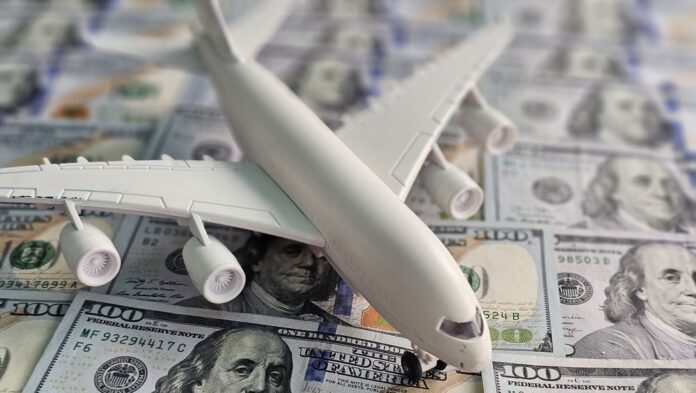
Flying home for the holidays will cost more this year than it has in a decade, and the reason sitting at the center of it all is jet fuel.
Quick Take
- Holiday airfare is on track to be the most expensive in at least 10 years, according to travel-booking firm Hopper.
- Jet fuel hit $4.90 per gallon in late October, close to a record high for the year.
- Airlines for America says fuel and labor now eat up about 55% of airline operating costs.
- Government data shows airfares rose more than 22% year-over-year in September, even though fuel costs climbed much faster.
Fuel Prices Climb Back Near Record Territory
The Argus U.S. Jet Fuel Index hit $4.88 per gallon in April, then rebounded to $4.90 in late October, according to Fox Business. Hopper’s lead economist, Hayley Berg, said holiday airfare was shaping up to be the priciest in at least 10 years and pointed to jet fuel as the main driver. Airlines for America separately reported October jet-fuel spot prices averaging $4.64 a gallon, topping September’s record.
Domestic round-trip flights are averaging $800 per person this Thanksgiving — a 17% jump from last year, and apparently enough to push overall holiday travel numbers slightly down. pic.twitter.com/a1PQoubJ59
— Free Citizens (@free_citizens1) November 18, 2026
Fuel does not sit on the sidelines of an airline’s budget. Airlines for America says fuel and labor together make up roughly 55% of total operating expenses. Berg estimated jet fuel alone can account for 15% to 30% of a flight’s operating cost, with international routes often running even higher. When fuel spikes, airlines feel it fast, and so do the people buying tickets.
What Travelers Are Actually Paying This Season
AAA booking data showed the average domestic Thanksgiving round-trip fare near $800, a 17% jump from the year before. Fuel costs and shrinking holiday flight schedules were named as major contributors to that increase. Government figures backed up the broader trend too, showing U.S. airfares running more than 22% higher in September 2026 compared with September 2025, even though that growth trailed the pace of fuel increases.
Airlines have not just raised prices quietly. Airlines for America said carriers are cutting flight frequencies, dropping less-profitable routes, retiring older and less fuel-efficient planes, and raising checked-bag fees as they manage fuel costs. Fewer flights mean fewer cheap seats available, which pushes the average fare higher even before anyone touches a base ticket price.
Why Fuel Costs Don’t Always Match Fare Increases
Here’s the part that deserves a closer look. Airlines for America noted that jet fuel has risen more than six times faster than airfares since January. That gap tells a real story: airlines are not simply passing every fuel dollar straight to customers. They’re absorbing some of it, trimming capacity, tacking on fees, and retiring older planes instead of hiking sticker prices to match fuel costs dollar for dollar.
Broader industry research backs this up. Studies on airline cost pass-through generally find that sector-wide cost shocks, like a fuel spike hitting every airline at once, get passed to passengers at higher rates than cost increases hitting just one carrier. But the size of that pass-through still depends on competition, hedging strategies, and how much wiggle room an airline has on a given route. In other words, fuel going up doesn’t guarantee fares rise by the same amount, and that’s exactly what the numbers from this holiday season show.
The Practical Bottom Line for Families Booking Flights
None of this changes what travelers are facing at the counter. Higher fuel costs, tighter flight schedules, and strong holiday demand are combining to make this the most expensive travel season in years. Families budgeting for Thanksgiving or Christmas trips are seeing it directly in their wallets, whether the cause is fuel, fees, or fewer seats to choose from.
Relief, if it comes, likely depends on fuel prices falling and staying down. Berg has said a real drop in airfare would require a substantial pullback in jet-fuel costs, not just a brief dip. Until that happens, holiday travelers should expect to keep paying some of the highest fares seen in a decade.
Sources:
foxbusiness.com, cleveland.com, apnews.com