
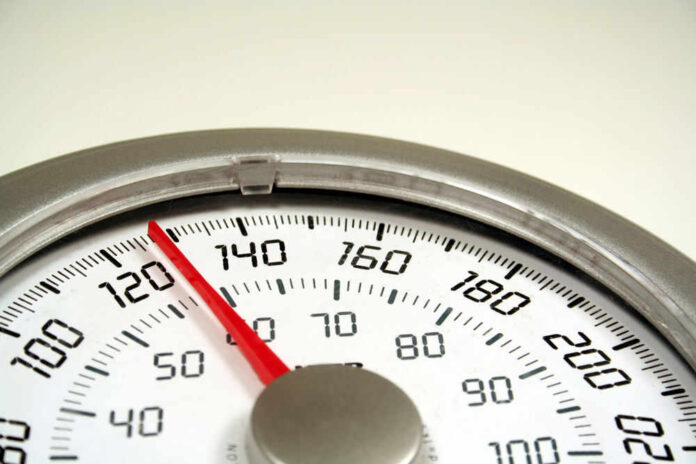
The airline industry could save a staggering $580 million annually thanks to Americans’ embrace of GLP-1 weight-loss drugs.
Story Highlights
- Airlines could save $580 million in fuel costs annually by reducing passenger weight.
- GLP-1 medications, originally for diabetes, are now popular for weight loss.
- Novo Nordisk’s oral GLP-1 drug launched in January 2026, increasing accessibility.
- Airlines have historically focused on weight reduction to cut fuel costs.
Analysis Reveals Windfall for Airlines
A recent analysis by Jefferies Research Services has highlighted a surprising financial windfall for the top four U.S. airlines—American, Delta, Southwest, and United.
The widespread adoption of GLP-1 weight-loss drugs among passengers could result in approximately $580 million in annual fuel savings. This unexpected benefit emerges from the reduced aircraft fuel consumption as passengers, influenced by these medications, become lighter.
The intersection of pharmaceutical trends and airline economics is striking. Airlines have long been obsessed with weight reduction, implementing measures such as serving pit-less olives and using lightweight materials to reduce aircraft weight.
Now that GLP-1 medications are becoming increasingly popular for weight loss, airlines might see a reduction in passenger weight, which was previously beyond their control.
Historical and Economic Context
The airline industry’s focus on weight reduction stems from the direct correlation between aircraft weight and fuel consumption, as well as high operating costs.
In 2026, the top four U.S. airlines are expected to spend $38.6 billion on jet fuel. Any reduction in weight translates into substantial savings.
The Jefferies analysis, which models a 10% reduction in average passenger weight, predicts a 2% reduction in total aircraft weight and a 1.5% improvement in fuel efficiency, boosting airlines’ profitability.
Airlines have 580 million reasons to like GLP-1 weight-loss drugs, analysis finds https://t.co/vLzrNBwLTX
— FOX Business (@FoxBusiness) January 19, 2026
GLP-1 medications, including Ozempic and Wegovy, were initially developed for diabetes management but have gained traction for weight management.
Novo Nordisk’s recent FDA approval and U.S. market launch of the first oral GLP-1 medication in January 2026 have made these drugs more accessible, further fueling this trend.
Broader Implications and Stakeholder Perspectives
For the airlines, this shift represents a passive yet significant benefit. Novo Nordisk’s expansion into oral formulations increases accessibility and accelerates adoption rates, amplifying potential savings.
However, some insurance plans have restricted coverage to individuals with type 2 diabetes, which might impact broader adoption rates.
Sheila Kahyaoglu, a Jefferies equity analyst, emphasized the logical impact of passenger weight on airline costs, noting airlines’ vigilance in weight savings. The analysis used a specific model of the Boeing 737 Max 8, demonstrating a rigorous methodology that supports these findings.
In the short term, airlines may begin realizing modest fuel savings. In the long term, sustained weight reduction across passengers could lead to cumulative savings exceeding $580 million annually.
The broader societal shift toward GLP-1 medication adoption also suggests potential health improvements and discussions about pharmaceutical use for non-medical weight loss.
Sources:
Fox Business: Airlines have 580 million reasons to like GLP-1 weight-loss drugs, analysis finds
CBS News: Weight-loss drugs could save airlines money on fuel costs
APFA: 2026 Benefits GLP-1 medication changes
Travel Weekly: Weight-loss pills could fuel airline savings