A novice climber survived a 1,500-foot fall down Mount Shasta, and the way she lived says as much about modern risk, rescue, and responsibility as it does about luck.
Story Snapshot
- A 31-year-old novice climber slid about 1,500 vertical feet in Avalanche Gulch and survived.
- Bad weather blocked an immediate helicopter rescue, forcing rangers to climb in on foot with help from other civilians.
- The woman was conscious, in good spirits, and suffered a suspected fractured ankle after the massive fall.
- The incident fits a growing pattern of Mount Shasta accidents driven by slips on steep snow and ice.
A fall that should have killed her, and why it did not
A 31-year-old woman, new to real mountaineering, set out with two other novice climbers on Mount Shasta’s Avalanche Gulch route and ended up living through a fall that most people do not survive.
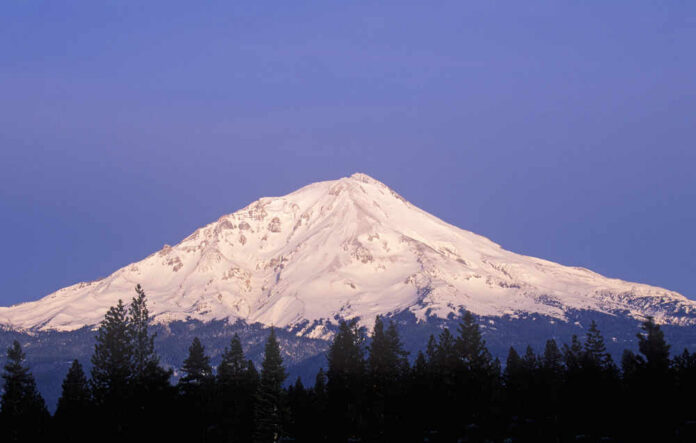
Rangers say she was on the “Left of Heart” variation, a steeper line that looks simple on a map but demands strong skills on snow and ice. Around midday, she slipped and slid an estimated 1,500 vertical feet before finally stopping between 11,500 and 12,000 feet.
Reports from the United States Forest Service and local outlets agree on the core facts: long fall, steep snow, novice team, and a miracle outcome. She did not tumble off a cliff; she rocketed down a high-angle snow slope, more like a runaway sled than a cartoon free fall.
That detail matters. On firm spring snow, a body can slide huge distances with fewer direct impacts, so survival, while rare, is possible, especially if rocks are avoided.
The rescue: boots in the snow before rotors in the sky
Once the fall was reported, the Siskiyou County Sheriff’s Office search and rescue coordinator alerted lead climbing ranger Nick Meyers, the veteran who has seen more than his share of bad days on Shasta. Cloud cover sat over Avalanche Gulch and blocked an immediate helicopter hoist.
Three United States Forest Service climbing rangers went up on foot with rescue gear. One member of the woman’s climbing party had the sense to descend and help carry that equipment, and another independent climber on the route chose to stay with the injured woman until rangers arrived.
That mix of government professionals and capable citizens is exactly how rural rescue works when it is healthy: the Sheriff, the Forest Service, and volunteers each do their part. After reaching her, they secured her in a SKED litter and began the slow, careful lower to Lake Helen, a common staging point for rescues in Avalanche Gulch.
A living warning about how people misjudge mountains
By the time a California Highway Patrol helicopter could finally reach Lake Helen through the clouds, hours had passed. Yet the woman was described as alert, in “good spirits,” with a suspected fractured right ankle and other injuries that matched a major fall. She was flown to Mercy Medical Center Mount Shasta for treatment.
The Forest Service used the case to repeat a blunt message they have been trying to push into the public’s head for years: Mount Shasta is not a casual hike; it is a high-altitude mountaineering climb.
Official ranger reports show that most incidents on Shasta happen between May and September when snow, ice, and crowds mix. The most common triggers are slips and trips on steep snow, rock, and ice, exactly what appears to have happened here.
In 2020, the American Alpine Club noted 12 search and rescue incidents on the mountain with an average closer to 20, meaning many days end with a call to the Sheriff or Forest Service. This fall is not freak news; it is part of a clear pattern that repeats whenever people treat a serious mountain like a weekend trail.
Responsibility, risk, and what this case should teach
News stories lean hard on the “novice climbers” angle, and that helps explain what went wrong but also risks turning every accident into a morality tale about stupidity. Common sense pushes for a sharper balance.
People are free to test themselves in hard places, but that comes with responsibility for proper gear, training, and respect for real danger. Ranger narratives from earlier Shasta accidents show gear misuse, such as crampons not properly fastened, as a leading cause of slips.
Woman Survives 1,500-Foot Fall On Mt. Shasta #news https://t.co/Mvtw9dKiQ3
— Newsradio WTAM 1100 (@wtam1100) July 1, 2026
For this incident, public documents do not yet detail her exact equipment or technique, and there is no formal counter-evidence challenging the 1,500-foot distance. Skeptics on social media question big numbers without video, but they have not produced measured data of their own. Until they do, the ranger-backed account deserves the benefit of the doubt.
The more important debate is not over a few hundred feet of slide; it is over whether our culture keeps treating risky climbs like theme-park rides. Mountains will not adjust to our feelings, and Shasta keeps proving that the laws of physics are still in force.
Sources:
abcnews.com, shastaavalanche.org, facebook.com, fs.usda.gov, foxnews.com, x.com, reddit.com